#MyDubai and the issue of whether to pay the public for content

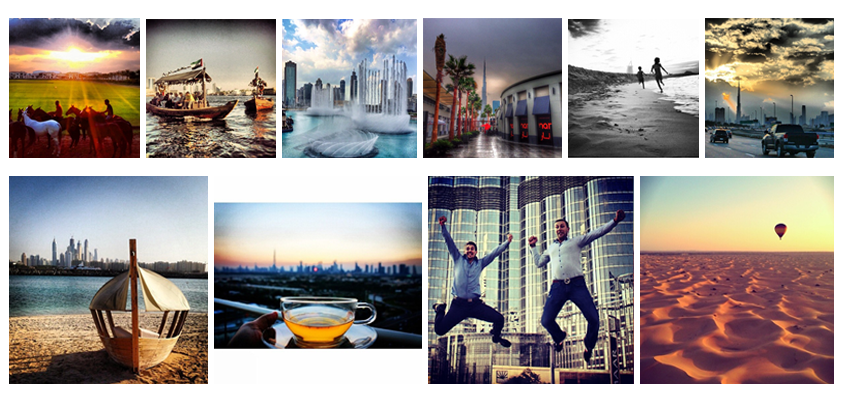
The first images from #MyDubai's initiative provided for free by Dubai residents (image source: www.facebook.com/DefinitelyDubai)

The first images from #MyDubai’s initiative provided for free by Dubai residents (image source: http://www.facebook.com/DefinitelyDubai)

To pay or not to pay? That’s the question. The city-state has launched an interesting project based on social media, dubbed as a social-media autobiography of Dubai to be written by its residents and visitors. To quote The National newspaper:

The year-long project will bring together people in the emirate through Twitter, Instagram, and Facebook. A call has gone out to share pictures and videos using the hashtag #MyDubai.

According to The National the project will tell the real and human stories of the city through residents’ contributions which are posted onto Facebook, Twitter and Instagram (there’s no mention of YouTube and Pinterest which is a shame).

The National followed up today with a second piece on the initiative. Tourism bosses from Dubai’s Department of Tourism and Commerce Marketing (DTCM) will select the best photographs and videos from the Emirate’s residents and showcase them in exhibitions and roadshows as part of the year-long #MyDubai project. The public’s images will be used to promote Dubai throughout the year.

What isn’t mentioned is if the public are going to be paid for their images which are going to be used for advertising the Emirate. As any content producer knows, photography and videography are expensive. While those lucky few whose images get chosen – to quote The National, “more than 25,000 images and videos were uploaded to Instagram using #MyDubai just 12 hours after the campaign was launched” – will be referenced and have been so far online on DTCM’s Definitely Dubai Facebook site is it right to use images provided by the public for free (even if it is with their consent).

And on another note, who owns the copyright to the images? Are the images commissioned by DTCM for their explicit use or do the copyright owners of the images, have the ability to pull the images as and when they please if they object to how the images are portrayed?

I love the concept of #MyDubai but should the public be paid for images that are used, even if only a token amount? If it’s for corporate usage, then I think they should do.

#Sandance and the virality of events going wrong

There’s few occasions which are as viral as events on social media: put together several hundreds or thousands of people, all equipped with mobile devices and the communication (usually via social media) will increase in line with the anticipation. However, that concept is equally true as an event goes from bad to worse and eventually to meltdown.

Last night, on New Year’s Eve, anyone with a care to watch would have seen how one event in Dubai went from band to worse and finally ended up in disaster shortly before midnight. Sandance is a music festival held on the huge Sandance Beach in Atlantis on Dubai’s Palm. Sandance is usually held on dates such as New Year’s Eve and last night was no different with headline acts such as DJs Pete Tong, Paul Oakenfold and Axwell.

Unfortunately for the planners of Sandance, Dubai was planning to break a world record last night for the most fireworks used in one event – 400,000 in total over a space of six minutes to be fired from the Palm and the World Islands off the Palm.

The Palm was supposed to be was in lockdown from 8am on New Year’s Eve; anyone wishing to enter had to have a car pass to keep the numbers of people limited to residents and hotel guests. Unlike previous Sandances, this year’s New Year’s Eve party at The Atlantis was shuttle bus only to keep traffic to a minimum. Seventy-five buses were to be used to carry nearly 17,000 partygoers between 5-9pm from Dubai’s American University at Media City to the venue about six kilometers away.

The plan didn’t go accordingly and due to an excess of traffic on the Palm people heading to Sandance on New Year’s Eve were stuck on shuttle buses for more than three hours. Many even spent the stroke of midnight on buses or walking trying to reach the event. And the frustration which included broken down buses, poured onto Twitter… (and also video)

https://twitter.com/mkdubai/status/418086695410479104

https://twitter.com/HassanYs/status/418073937831284736

https://twitter.com/AGiannas/status/418145613276917760

https://twitter.com/SaraKazzz/status/418269342942261248

Sandance bosses did use social media to post a few notes on Facebook, including one update which pointed to the reasons behind the chaos: “The NYE traffic on the palm is being controlled by Dubai Police and Nakheel. We are in touch with the authorities to smoothen traffic. We appreciate your patience.”

At the other end of town it was also a long night for Dubai Media Inc. The Emirate’s media organization was supposed to be livestreaming the fireworks from Dubai’s Burj Khalifa and possibly also from the Palm. However, it looks as if their servers weren’t able to cope with demand and visitors to DMI’s website. The difference is however that people hadn’t spent hundreds of Dirhams to visit DMI’s website or spent hours on a bus waiting to get to a destination they never reached.

For all those who were stuck on the buses my heart goes out to you. Sundance was poorly planned: the organizers put far too much faith in Nakheel and the police to ensure a good flow of traffic. That didn’t happen it seems. However, as evinced by social media the organizers will ultimately be held to blame. Could they have done more on the night via social media? Maybe, but there’s little you can do when things go wrong on New Year’s Eve to ease the pain of plans which go awry.

The Gulf, social media and its self-deprecating humour

The Gulf is known for many things but a sense of humour hasn’t traditionally been on the list, even less so self-deprecating humour. With the advent of social media, in particular YouTube, both the Gulf’s residents and nationals have started to develop content like there’s no tomorrow. The best is currently coming from Saudi Arabia. One example is La Yekthar, one of the most popular comedy shows on the net. The team regularly tackles and takes on stereotypes of Saudis, and one of their latest clips was a fantastic set-up of how Saudis are often perceived by foreigners. The video, which is below, also sends a not-so-subtle message to Saudis that this type of image, of arrogance and violence, isn’t the right thing to do.

Bahrain has also followed suit with a number of send-ups of the typical Bahraini stereotypes. The clips, which are common on the video-sharing site Keek, focus on a variety of stereotypes which are mainly based on geography (for example, Al-Riffa and Muharraq). I’m going to have to search for these but I’m going to upload as soon as I can.

Even Qatar is getting in on the act. The only local Qatari comedian I know, Hamad Al-Amari, routinely does stand-up routines poking fun at Qatari stereotypes before switching effortlessly into an Irish accent (he spent part of his childhood in Ireland). Have a look at one of his sets below.

And then there’s the UAE. While there are a number of local comedians here including the likes of Ali Al Sayed the country has arrested those, even nationals, who have poked fun at the country’s stereotypes. Emirati Salim Dahman and a group of young males who made a spoof YouTube video named the ‘The Deadly Satwa Gs’ were arrested after uploading the clip. No reason seems to have been given for their arrest, but the assumption would be that they’ve been detained for insulting national sensitivities.

To quote from 7Days, which featured the story yesterday, ‘The Deadly Satwa Gs’ video is a spoof of young people who try to act tough. At the martial arts school, the recruits learn how to throw a shoe and call for back-up on their mobile phones. When they graduate from the school, they are all given Barcelona football jerseys, supposedly matching a style worn by young men in Dubai.

The video, which is still available online, is hardly groundbreaking satire and is fairly tame when compared to the content coming out of the Magic Kingdom. However, comedy isn’t always a laughing matter depending on where you are in the Gulf.

PS If you want to know why I haven’t mentioned Kuwait ask any Gulf Arab about Kuwaitis and humour.

The Middle East and its addiction to Facebook – 2013 stats and figures

Yes, we Arabs have adopted Facebook as our own (image source: muslimscrisisgroup.wordpress.com)

Most of us in the region already know how effective and powerful Facebook is. The social media site played a prominent role in the Arab Spring, particularly in Egypt, and its popularity has endured in the face of challenges from other services such as Twitter and YouTube (I’m not even going to mention Google+ in the same sentence).

Facebook released some figures this week about the site’s usage in the Middle East. According to Facebook’s head of MENA Jonathan Labin over twenty eight million people in the Middle East and North Africa are using Facebook every day. Fifty six million use the site every month and of those thirty three use a phone or tablet device to check their profile. Fifteen million people access the site on a daily basis from their mobiles.

I’m going to give you a little more insight into a couple of different regions: Saudi Arabia; Egypt; the GCC; North Africa, and the Levant. The below figures, which were compiled last month, give a good deal of insight into gender split, age, marriage status, number of friends and page likes, access methods, and interface usage. If you’re a marketer in this region and you’re not using or leveraging Facebook (especially on mobile) then start rethinking your advertising and communications approach.

A glimpse into Social Media in today’s Gulf

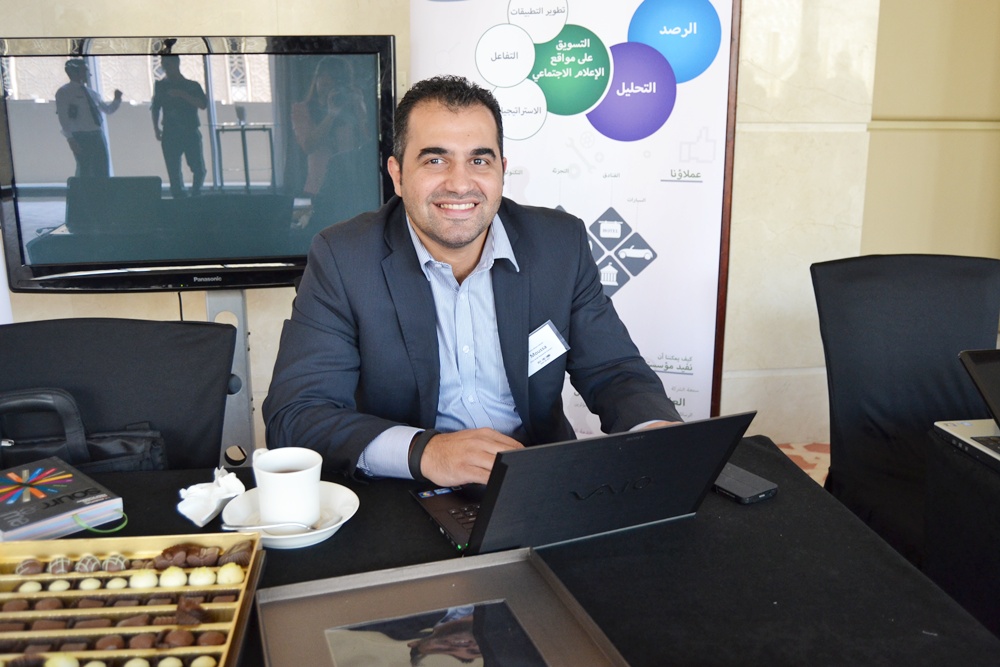
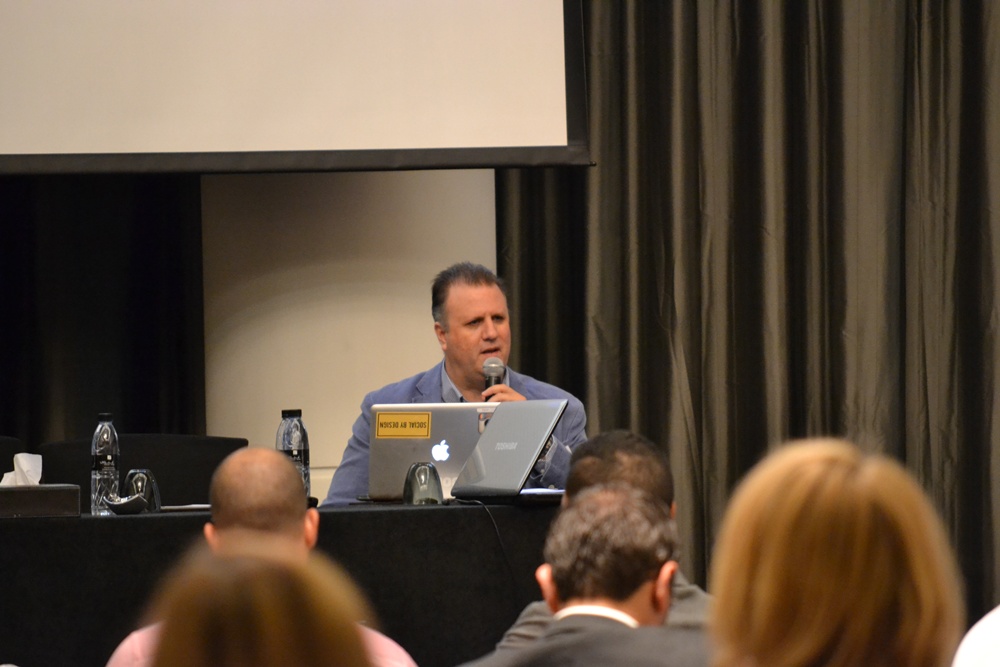
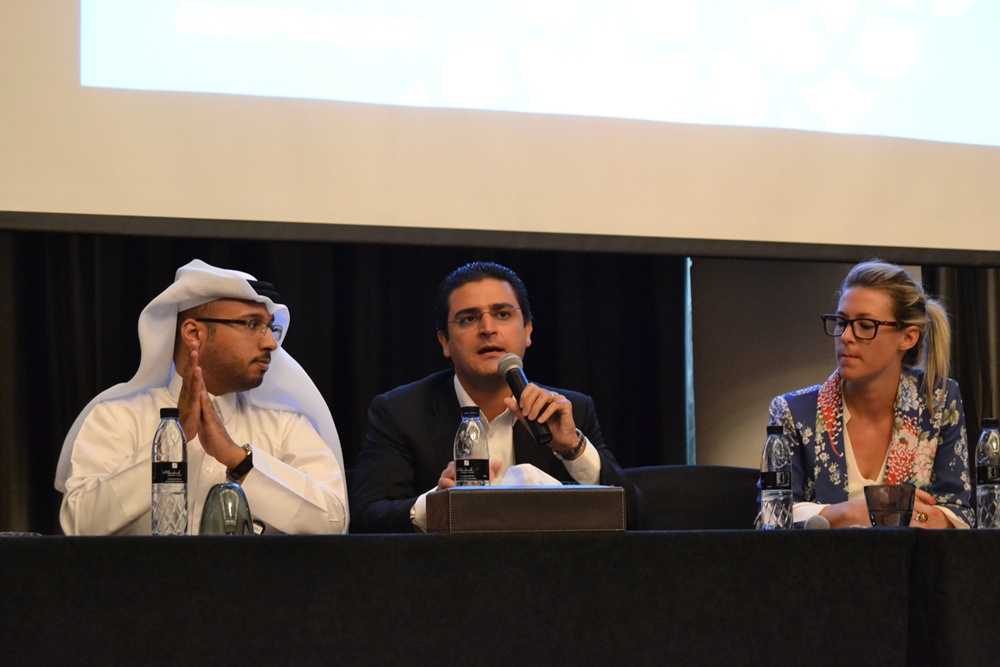
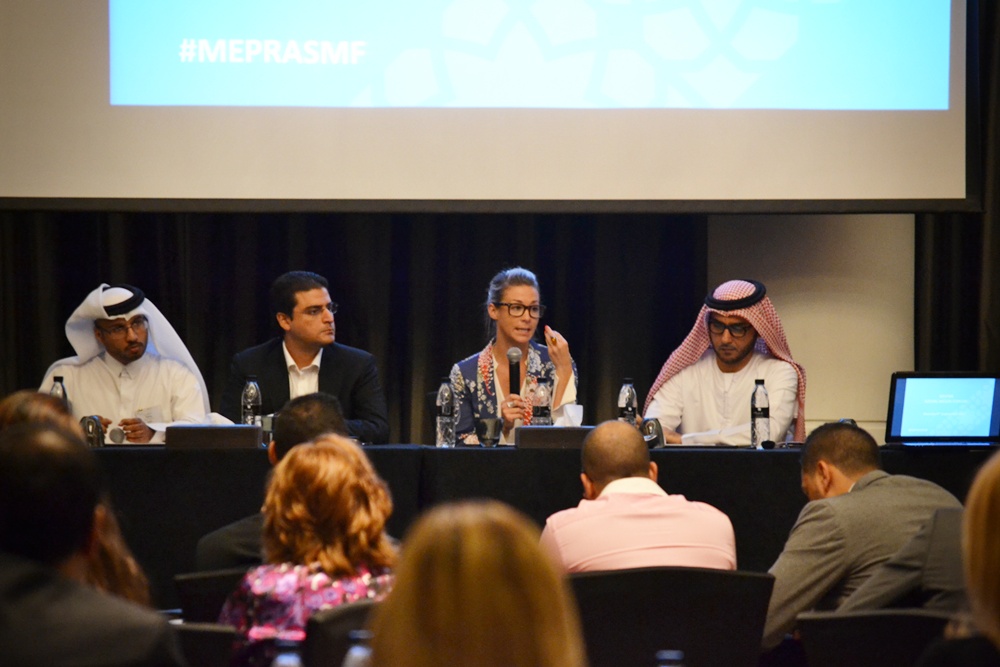
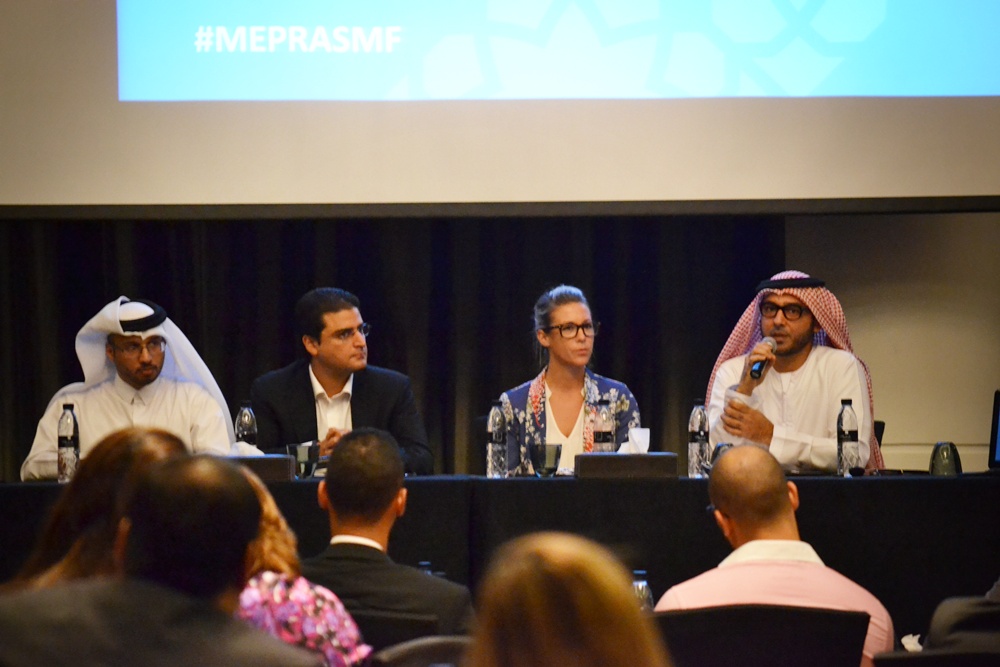
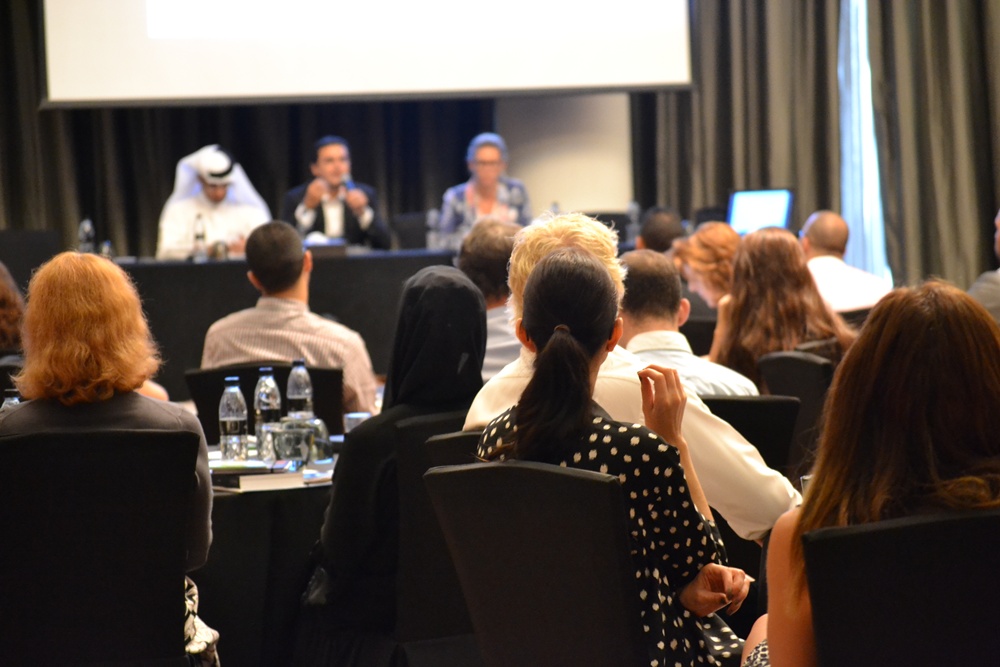
It’s not often I can say that Monday is my favourite day of the week (as Bob Geldof says, I don’t like Mondays) but this week was an exception thanks to the inaugural Social Media Forum. Arranged by the Middle East Public Relations Association, the event brought together some of the world’s largest social media names present in the Gulf including Facebook and Twitter’s local agency Connect Ads to talk shop about what’s happening in the social media world. And by the looks of it we’re addicted to social media.

The latest stats from Twitter are stunning; there’s now six and a half million active users of the social media channel in Saudi Arabia (active users are those who use their account on a daily basis), which represents a growth of 500 percent over last year’s numbers. In the UAE there’s 1.5 million users. But the highest percentage of Twitter users to a population is in Kuwait, where one in three people – one in three million – use the service on a daily basis.

While Facebook’s spokesperson didn’t reveal updated numbers about users in the Gulf region usage trends have changed thanks in part to widespread adoption of smartphones and broadband wireless networks such as 3G and 4G. The average user will check Facebook 11 times a day, up from 3 or 4 times, partly thanks to Facebook’s latest mobile applications. Sixty percent of Twitter users in the Middle East and North Africa are now using the service while watching television (the logical question would be, where are you advertisers and why are you not taking advantage of this?).

The good news would seem to be that (some) clients are now understanding social media is more than just followers, likes and retweets according to the head of analysis agency Social Eyez. One speaker at the event, the corporate communications manager for the Qatar Foundation, told the audience that a sixty hour social media activation with FC Barcelona using Twitter drove global brand awareness by upwards of 20 percent. This goal would have been unachievable with conventional media without an eight figure marketing budget. Social media has changed both marketing and communications completely, and long may our love of tweeting and posting continue in the Gulf.

If you’re interesting in seeing the best practice presentations from the event you can download the Facebook Middle East Public Relations Association Presentation here and the Twitter Social Media Forum Presentation here. MEPRA will be holding more events on social media soon, including with the Social Media Club in Bahrain and other areas of the region. For a glimpse of the event have a peek at some of the pictures below.

How is the Middle East’s marketing industry dealing with the digital question?

Are marketing executives in the Middle East ready and willing for the digital era? (image source: http://www.219group.com)

One of my favourite reads on marketing in the Middle East is a monthly publication called Gulf Marketing Review. This month’s edition included the title’s inaugural value exchange survey for the region. The survey, which is conducted by da Vinci Marketing, reached out to marketing executives across the region to better understand what is happening on a brand management level.

The report, which was included face-to-face interviews with a host of marketing executives from leading brands, outlines a number of trends across the marketing strata in the region:

1) All digital – there’s more marketing focus online but marketing executives are demanding more information to better understand the benefits of digital solutions/technologies.

2) Increased specialization – clients are increasingly moving towards ‘niche’ agencies who have specific skills sets.

3) Social, mobile and content – questions remain about who manages social media (i.e. is social media handled in-house on the client side or by the client’s agency), and the importance of search and mobile to marketing teams across the region.

You can download the da Vinci’s inaugural Value Exchange Study in GMR through this link. And if you’re based in the Middle East it’s well worth buying a hard copy of this issue’s magazine. The insights are fascinating.

If you don’t like it, then leave! Hey @Dutweets and how not to deal with customers online

One week, two social media blunders in the United Arab Emirates. First we had Subaru Emirates and now we have Du, the UAE’s second largest telecommunications company, getting everyone into a tizzy.

The background to the story, which has been covered by the UAE-based magazine Computer News Middle East, is an increase in charges for the company’s home user pricing plans. The price increases, which have risen by up to 37 percent, seem to have been posted on the company’s website rather than having being formally announced by the company.

Unsurprisingly, consumers haven’t taken to Du’s price increases (note – for data services the UAE operates a monopolistic system whereby you have to purchase from the sole telco who is licensed to operate in your area, which is either Du or Etisalat). Du’s twitter account, @Dutweets, has been inundated with tweets from aggrieved consumers who understandably don’t want to pay more for their existing service and don’t want Du’s offer of additional phone minutes in compensation for the higher prices. Have a look below:

Unfortunately, for the people in the company running the Du account (Du handles social media internally I believe) things have gone from bad to worse. One reply has gone viral and is receiving a swathe of negative feedback on Du and its social media efforts.

I do feel for @Dutweets as they’re having to face the fallout from a pricing decision which has been poorly executed and hasn’t been communicated in the right manner – from a customer perspective there’s no justification for a price rise for the same service, especially when Du’s customers have no other provider and when their existing contracts should be honored for the contracts’ duration. However, if a company isn’t willing to resolve issues through social media then what’s the point of entering into a dialogue with the community? And no matter the frustration levels you can’t respond to customers in a manner that seems unsympathetic. So please, no more Hey! messages @dutweets. Understand the concerns, pass on the message to the executives and wait for a positive message from upstairs. Don’t do a Subaru, because you’re only going to make things much, much worse for yourselves.

https://twitter.com/WildeTrude/status/364691859576061954

https://twitter.com/alextohme/status/364719579089485826

Subaru Emirates, Facebook, sexism, racism, and loss of life = a social media disaster

I’m a hardened comms person/journalist. I’ve seen a lot of materials which offends and much of that material doesn’t surprise me. However, this morning I was wincing at a post on Facebook, on the UAE page of the automotive brand Subaru. The post, which relates to a recent accident which claimed the lives of four people, offends both women and a specific nationality. While this isn’t enough, not a single positive piece of advice is given to drivers to help avoid such a tragedy in the future. The post is screen-captured below. And to ensure maximum shock value what would you title such a piece? ‘Women drivers at it again’.

For me, pretty much everything that could have been done wrong was done wrong with this post. Frankly, it's disgusting.

For me, pretty much everything that could have been done wrong was done wrong with this post. Frankly, it’s disgusting.

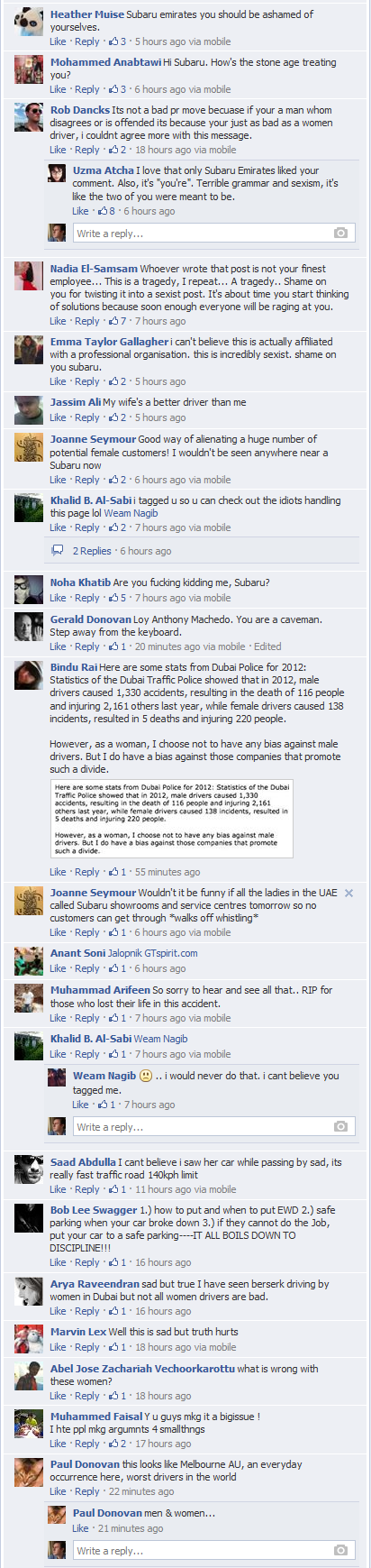
To fan the flames of outrage further, the admin person does not apologize but rather seeks to defend the comments against the criticism (sixty comments and counting and 58 shares within 21 hours). This has gone out to 15,000 accounts who have liked the page and has been distributed to hundreds more through the shares. Depending on Subaru Emirates’ advertising policy in the UAE this could have reached hundreds of thousands more. Stepping aside from the grotesqueness of the post, it’s a remarkable thought that the company could have alienated over half of its potential buyer base. As an aside, I doubt that the page has asked permission from the newspaper Emirates 24/7 to use this image in a commercial setting.

I’m not going to delve deeper into this as there’s little positive about this episode apart from to learn what not to do when promoting a brand through Facebook. Subaru, please do the right thing and apologize for the post and ensure that the admin person learns the error of their ways.

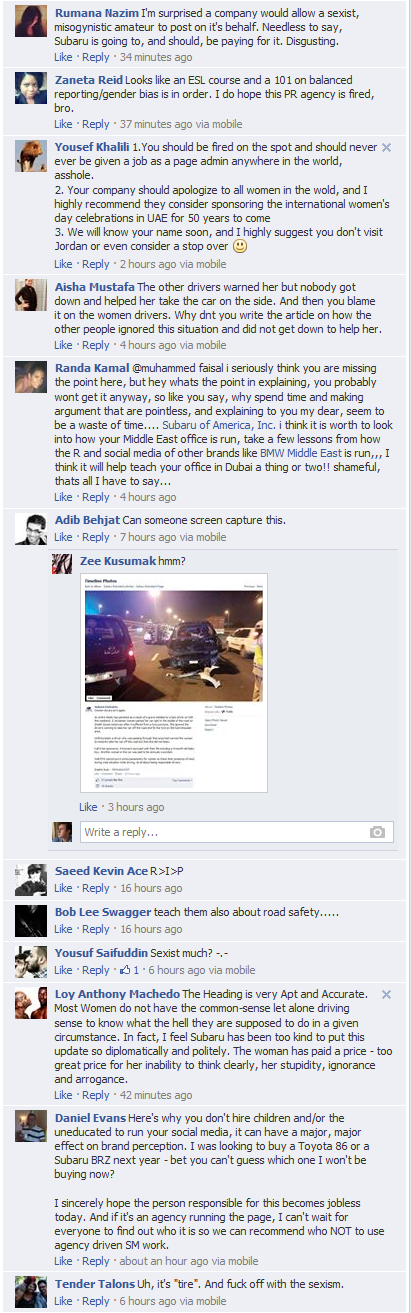
Comments are below for the post (apologies for the size but it’s easy to zoom in and view/read).

This is the first comments screen shot. Note the defensive post by Subaru Emirates and the anger of the responses.

This is the first comments screen shot. Note the defensive post by Subaru Emirates and the anger of the responses.

And it goes on...

And it goes on…

And on and on...

And on and on…

I’m sure that Subaru has guidelines for appropriate social media usage for its internal staff and agencies. They need to ensure that these guidelines are understood by all and that they are followed by their social media admin persons. I’ll be writing a how-to blog for how to use Facebook properly soon. As a responsible individual, we all need to understand the other. That’s even more true when you’re running someone else’s brand on their behalf.

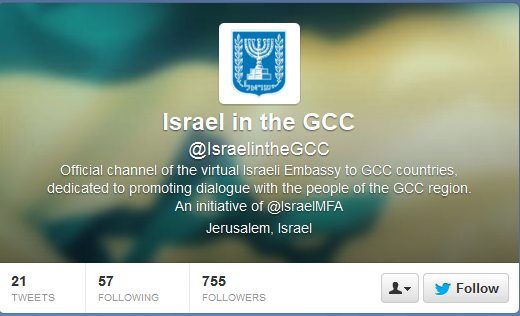
Social media and diplomacy – @IsraelintheGCC, Israel’s virtual embassy in the Gulf

The launch of the @IsraelintheGCC twitter account is a cheap but potentially effective media channel for the Israeli government

The launch of the @IsraelintheGCC twitter account is a cheap but potentially effective media channel for the Israeli government

No matter your political persuasion, you have to admit that the Israelis are an ingenious bunch. Their latest idea is a simple concept, a virtual embassy for a part of the world where there’s little/no Israeli State presence, the Gulf. Israel, which doesn’t enjoy official diplomatic relations with any of the Gulf states, has launched a ‘virtual embassy in the Gulf’ through Twitter. The account, which is named @IsraelintheGCC, aims to “open lines of dialogue” with people living in the Gulf according to a report by the UAE-based English-language daily Gulf News. According to the Israeli daily Haaretz, the person behind the idea is Yoram Morad, Director of the Department of Digital Diplomacy at the Ministry of Foreign Affairs of Israel.

Not unsurprisingly, Israel has always faced challenges when trying to communicate its point of view to its Arab neighbours. However, that hasn’t stopped the State from engaging various mediums to argue for its policies. Israel launched an Arabic-language television channel in 1994 following the announcement of the Israeli-Palestinian peace process. The establishment of the @IsraelintheGCC twitter account follows news of a potential re-engagement between the Israelis and Palestinians as well as mounting pressure on Iran to halt its nuclear enrichment programme.

It could be argued that Israel has been much more active than the Arab states in terms of communicating its key messages – there were plans to launch a Hebrew-language channel in Egypt as of last year according to the Christian Science Monitor, but I haven’t heard much in the way of an actual launch.

The messaging employed by @IsraelintheGCC, which is being run by the Twitter account of the Israeli Foreign Ministry, would appear to be aimed at propagating a more diplomatic tone than that of Israel’s internal politics. The account, which has tweeted 21 times to date, has only quoted the country’s Prime Minister twice (its fair to say that Bibi Netanyahu wouldn’t win many popularity contests in the Gulf), but it has talked about social media in the Arab world, sustainability issues, and wished followers a Ramadan Kareem. The one time Netanyahu has been quoted was in relation to European sanctions on the Lebanese organization Hizbollah which isn’t well liked in the Gulf due to its pro-Iranian stance. There are tweets in Arabic too. Have a look at some of the posts below.

Over the past couple of years social media has allowed companies, politicians and celebrities to directly bypass the media and reach out directly to anyone that wants to listen. Now the same can be said of social media for States who, for diplomatic reasons, cannot establish a physical presence. I’ll be following the account, and am looking forward to seeing how long this project lasts, how much dialogue it generates and how successful it becomes for the Israeli government.

Another Youtube Shocker – KFC and its Al-Ahsa Outlet’s Hygiene Standards

It seems no-one is safe from Youtube. After a video was uploaded to the world’s largest video-sharing site showing what purported to be an alleged road-rage incident in Dubai another video has been uploaded to the site but this time from Saudi Arabia. The video, which was uploaded on the 17th of July has been viewed 175,000 times in three days.

The video, featured below, allegedly shows what is described to be a scene in a kitchen of Kentucky Fried Chicken in the Saudi city of Al-Ahsa, in Othaim Mall. The person who took the video was apparently an employee who was fired after the video was taken. I’m not going to describe the video; rather, do watch the video itself which is two minutes long.

Social media crises for food chains aren’t new; anyone remember the infamous Youtube clip on Domino’s Pizza that went viral in 2009? However, while these issues aren’t new to US and European audiences and most food chains there have social media crisis plans how many local, Middle East franchises are ready for the same thing here? It’ll be interesting to see if or how KFC does respond to the allegation. In the meantime, as it’s Ramadan I’m enjoying home cooking.