Brand Building and Trust in Saudi and the UAE, Based on YouGov/MEPRA Research (Part 2)

trust-in-blue-marker

This is the second post on the research by YouGov, which was commissioned by the Middle East Public Relations Association and looks into consumer trust, both online and offline, when it comes to advertising and media recommendations in goods and services.

This second post covers Saudi Arabia and the United Arab Emirates, which follows the post from the first four countries yesterday.

Saudi Arabia
saudiarabiamap

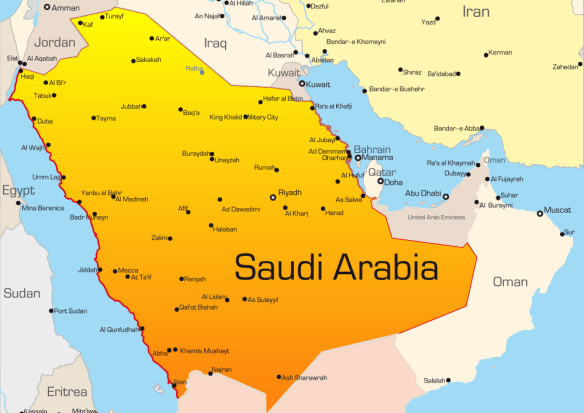
1003 people were surveyed in Saudi Arabia, 64% of whom were Saudi nationals and 36% were expat. When it comes to gender, 56% were male, and 44% were female. Just under 47% were aged between 18 and 29, 31% were between the ages 30 and 39, and 22% were aged over 40.

In terms of geography, just over 30% live in Riyadh, 24% live in Jeddah, 7% in Mecca, 6% in Dammam and 5% in Madinah. The other 28% live outside of these areas.

Finally, 38% described themselves as single, 51% as married with children, and 7% were married but had no children. The remaining 4% were classed either as other or did not respond.

Family, Friends and Third Parties

When it comes to those closest to them, Saudi respondents scored the lowest in the Gulf; only 82% trust in face-to-face conversations with friends and family about products and services. Younger respondents showed the lowest trust; 79% of 18-24 year-olds, compared to 90% of 35-39 year-olds. Saudi nationals scored 79%, and Saudi-based expats 88%. The other large discrepancy was between singles (77%) and those who were married (85%).

When it comes to trust in social media posts by friends and family about products and services, the scores were much better; 54% found such posts trustworthy, compared to 13% who found them untrustworthy. There’s a seven percent difference between young respondents (18-24) who trust the least (52%), and respondents in the 30-34 age bracket, who trust the most (59%). Saudi nationals were also less trusting than expats, with scores of 52% and 59% respectively.

Those surveyed in Saudi did show higher levels of trust in third-party endorsements of products and services, in comparison to a brand’s own positioning; 59% trust third-party endorsements, compared to 7% who don’t. There’s a 15% differential between those working (67%), and those who aren’t working (52%).

Trust in Social Media

Overall, the Saudi respondents showed slightly higher levels of trust (37%) than mistrust (29%) in social media posts by influencers and people with lots of followers on products and services. Men were much more likely to be trustworthy (42%) than women (30%). And those who are working are also more trusting (41%) than those who aren’t (33%).

Social media has become a much more important source of information to the Saudi respondents than it was five years ago (53% agreed with this statement, opposed to 15% who disagreed). This is especially true of younger respondents and those on lower incomes. However, trust is still an issue with what people see online; 43% have low trust in what they see online (this jumps to 52% for those earning US$5333 and higher), compared to 17% who disagree.

When it comes to the most popular social media channels for information on goods and services, Facebook topped the list (28%), followed by WhatsApp (16%), Instagram (14%), and Snapchat (9%). One-tenth (11%) didn’t use any social media. Facebook was least popular among the youth (24%), who prefer visual applications and instant messaging. In contrast, Facebook was the most popular among expats, almost half (49%) of whom use the platform.

Trust in Media & Advertising 

Trust in media for Saudi respondents when it comes to products and service recommendations differed to the rest of the Gulf. Whilst branded websites scored top as the most trusted media (45%), television content, radio news and website articles also rated highly, with scores of 44, 39, and 39 percent respectively. Newspapers came second to last, at 36%, and blogs were the least trusted, at 33%.

When it comes to advertising, there’s a slight drop in trust among respondents. Television advertising is the most trusted, at 38%, followed by billboards at 37%, and radio at 31%. Online advertising is the least trusted, at 28%. A higher percent of respondents (32%) found online advertising untrustworthy than trustworthy.

When asked if they trust advertising less today than they did five years ago, 55% agreed and 13% disagreed. Men and those married with children were most likely to trust advertising less today than five years back. Saudis scored the lowest when it came to the impact of fake news on their trust in media sources. Only 58% agreed with the statement that so-called ‘fake news’ has lowered their trust in mainstream news media. In contrast, 11% disagreed.

United Arab Emirates

united-arab-emirates-map

At 1010, the respondent base for the UAE was the largest from all the countries surveyed. Of this total, 18% were Emirati nationals, 24% Arab expats, 55% Asian expats, and just under 3% Western.

When it comes to gender, 65% were male, and 35% were female. Just under 42% were aged between 18 and 29, 38% were between the ages 30 and 39, and 20% were aged over 40.

In terms of salary, 37% earned over US$2,666 a month, 18% earned between US$1,066 and $2,665, 12% earned between US$533 and US$1,065, 8% earned between US$266 and US$532, and 7% earned less than US$265. The remaining 18% didn’t give their salary.

In terms of geography, 33% live in Abu Dhabi, 41% live in Dubai, 17% in Sharjah, and the remaining 9% outside those three Emirates.

Finally, 35% described themselves as single, 52% as married with children, and 11% were married but had no children. The remaining 2% were classed either as other or did not respond.

Family, Friends and Third Parties

Approximately 84% of those polled said they trusted face-to-face recommendations of products and services from their friends and family. The groups which exhibited the highest levels of trust were Western nationals (96%) and those earning over US$2,666 a month. Those groups who exhibited the lowest trust were earners below US$266 (70%) and those people living in other Emirates (77%).

When asked the same question about online, social media-based recommendations from friends and family, that number dropped to 55%. Young people aged between 18 and 24 were most likely to trust such recommendations (60%), as were Emirati, Arab Nationals and Westerners (65%, 66%, and 64% respectively). Asian expats (48%) and those living in Sharjah (49%) recorded the lowest levels of trust.

Conversely, almost two-thirds of people (63%) have more trust in what a third party says about a good or a service than what a brand says about its own goods and services.

Trust in Social Media

Only 39% of respondents trusted online recommendations from social media influencers or people with large followings. Unsurprisingly, considering how much time they spend online, younger people aged between 18 and 24 years are more likely to trust such recommendations (45%), as are Emiratis (52%).

Social media has become the most important source of information for people; 57% said social media has become a key source of information about goods and services today compared to five years back. However, half of the respondents also said that they have little trust in what they see on social media.

On social media Facebook is by far the most useful source of information for goods and services, with 52% of respondents using the site to know more about brands. Whatsapp was second, at 17%, and LinkedIn was third, with 10%. Surprisingly, Asian nationals and Westerners are the major outliers here, with only 45% and 44% respectively using Facebook, and 21% of Asians using WhatsApp as their preferred social media platform (I’m still not convinced however that a messaging app can be defined as a social media platform).

Trust in Media & Advertising 

For advertising, the most trusted formats were television and billboards (both at 45%), followed by radio (41%), and online (37%). Over half of respondents (57%) said they trust advertising less today than they did five years ago. This was most noticeable among those who were married and didn’t have children (75%), and those earning over US$5333 (64%).

Brand websites scored higher than both media and advertising for trustworthiness; 53% of respondents said they trust corporate websites. Trust in print publications, in newspapers and magazines, was highest, at 48%, followed by radio and television, both of which scored a 44% trust rating. Blogs were the least trusted source of information, at 39%. When asked about fake news and their trust in the media, the UAE respondents polled like their Saudi counterparts. Only 59% agreed with the statement that so-called ‘fake news’ has lowered their trust in mainstream news media, with 10% disagreeing.
Findings on Brand Building and Trust – YouGov/MEPRA Research for Bahrain, Kuwait, Oman and Qatar (Part 1)

trust-in-blue-marker

Trust is one of those intangibles which we as communicators must always focus on. Trust, that notion of one person relying on and believing in a second person, is key to changing attitudes and behavior. But how do you build trust, and what channels should you focus on? These are the questions that we need to answer to be able to do our job of building and protecting reputations. So, where should one begin when looking to build trust?

Based on research by YouGov, which was commissioned by the Middle East Public Relations Association and which included a survey of across the six Gulf states (Bahrain, Kuwait, Oman, Qatar, Saudi Arabia and the United Arab Emirates), Egypt, Jordan, and Lebanon, the place to begin isn’t online, but rather face-to-face. Fake media, less impactful advertising, and third-party advocacy are also reshaping where consumers in the region put their trust.

This is the first of four blog posts on the issue, to explore the findings country-by-country. but here’s the big picture headlines from the research, which surveyed 4,475 people across the region.

The first three posts will be a glimpse into the results, country-by-country, for Bahrain, Kuwait, Oman and Qatar, followed by Saudi and the United Arab Emirates in the second post later on in the week. The Levant and Egypt will follow next week. I’ll share big picture thoughts next week, in partnership with Gulf News.

Bahrain

Bahrain Map

152 people were surveyed in Bahrain, a third of whom were nationals and two-thirds expat.

Family, Friends and Third Parties

Bahrain’s population think highly of their friends and family. They scored the second highest in the Gulf for trust in face-to-face conversations with friends and family about products and services, at 88%. That trust doesn’t carry online, to social media; only 42% of respondents trust social media posts from friends and family about products and services. In contrast, 20% find such posts untrustworthy.

When it comes to third party endorsements, 69% of respondents agreed that they had more trust in what a third party says about a good or a service than what a brand says about its own goods and services. Only 8% disagreed.

Trust in Social Media

When it comes to social media posts by influencers, and people with lots of followers on products and services, there’s less trust and more distrust. Only 28% trust such posts, opposed to the 34% who show mistrust.

While social media has become more of an important source of information to Bahrain’s residents than it was five years ago (55% agreed with this statement, opposed to 14% who disagreed), just under half (47%) have low trust in what they see online (interestingly, the percentage of those who don’t is also 14%).

When it comes to the most popular social media channels for information on goods and services, Facebook topped the list (31%), followed by Instagram (27%), and WhatsApp came third (11%). A note on the research here – Twitter doesn’t appear in the responses, presumably as it wasn’t included in the survey options.

Trust in Media & Advertising 

Trust in media and advertising in Bahrain is mixed. At the top was a surprising choice – brand websites; 40% of respondents trust what they see on a brand’s own website. Newspapers and magazines were second, at 38%, website articles at 36%, and TV and radio reporting both at 34% respectively.

Bringing up the rear were billboards at 31%, television ads at 29%, radio advertising at 24%, blogs at 22%, and online advertising at 20%. Trust has fallen in advertising over the past five years, with 68% saying they trust advertising less now than they did five years ago. While you may think this is good news for trust in media, you’d be wrong. Almost three-quarters of respondents (74%), agreed with the statement that so-called ‘fake news’ has lowered their trust in mainstream news media. Only 7% disagreed.

Kuwait

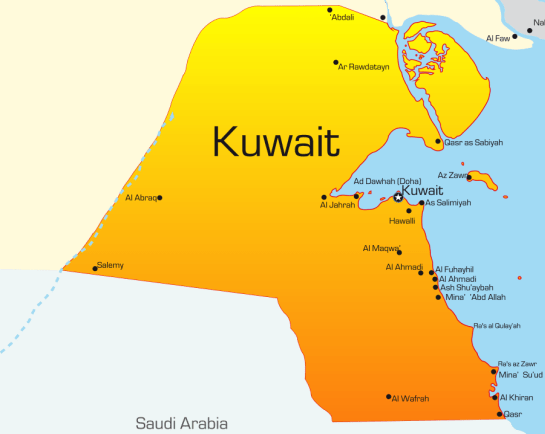
kuwait map

251 people were surveyed in Kuwait, just under a fifth of whom were nationals and over four-fifths expat.

Family, Friends and Third Parties

Kuwaiti residents are a little less trusting of their friends and family than their Bahraini counterparts; 85% said they found service and product recommendations in face-to-face conversations with friends and family as trustworthy. However, they’re more trusting than others online; 53% trust social media posts from friends and family about products and services. In contrast, 15% find such posts untrustworthy.

Third party endorsements are less trusted among Kuwait-based respondents; 63% said they had more trust in what a third party says about a good or a service than what a brand says about its own goods and services. Only 6% disagreed.

Trust in Social Media

Considering the number of social media influencers based in Kuwait, the response to the question of influencer trustworthiness was fascinating. Only a quarter of respondents found influencer posts on products and services trustworthy, compared to 31% who didn’t.

Social media has become an essential source of information on goods and services to people in Kuwait, according to the survey, with two-thirds agreeing that social media had become more important compared to five years back. However, trust online is an issue, with 48% having low trust in what they see online (this is opposed to 16% who don’t).

The most popular social media channels for information on goods and services are Facebook, which dominates at 56%, followed by Instagram (17%) and WhatsApp (9%).

Trust in Media & Advertising

Kuwait’s respondents view media in a similar fashion to their Bahraini brethren in terms of their most trusted choice, which was a brand’s own website (47%). The next most trusted medium was website articles (34%), and radio stories (32%). Newspapers and television fare worse, at 28% and 30% respectively, which is surprising considering Kuwait’s wide selection of newspapers and television (Kuwait has the most open media in the Gulf). Blogs were the least trusted, at 28%. Seven out of ten respondents (71%) said that fake news has dented their trust in mainstream media reporting.

Radio and online advertising are the least trusted, both with a 23% approval rating. Television advertising fares slightly better, at 28%. The most trusted advertising medium was that of outdoor, with billboards scoring a 33% approval rating. Two-thirds of respondents trust advertising less today than they did five years ago, with ten percent disagreeing. Similar to Bahrain, just under three-quarters of respondents (71%), agreed with the statement that so-called ‘fake news’ has lowered their trust in mainstream news media (5% disagreed).

Oman

omanmap

The map of Oman excluding Musandam

151 people were surveyed in Oman, over 57% of whom were Omani nationals and 43% were expats.

Family, Friends and Third Parties

The Oman-based respondents were the least trusting of face-to-face recommendations for products and services from friends and family; 83% said they’d trust such a recommendation. That dropped to 43% for recommendations from family and friends on social media; in contrast, 23% of Omani respondents don’t trust product and service recommendations on social media from friends and family.

Third party endorsements are trusted by three-fifths of the respondents in Oman, with 12% distrusting what a third party says about a good or a service compared to what a brand says about its own goods and services.

Trust in Social Media

When it comes to influencers and social media, there’s little to tell when it comes to trust and mistrust – 33% trust posts by influencers or people with large followings recommending products and services, but 34% say the opposite.

Roughly half of respondents (52%) say that social media is a more important source of information about products and services than five years back. Half of the respondents (48%) have low trust in terms of what they see online (14% don’t).

Facebook is the most popular social media network, but only by a slim margin. A quarter of respondents said it was the most useful for information on products and services, compared to Instagram (19%), and WhatsApp (15%). LinkedIn came fourth, with 12%.

Trust in Media & Advertising

Trust in media among the Omani respondents is much higher when compared to the results from Bahrain and Kuwait. Radio is trusted the most (45%), followed by newspapers and television (both at 42%). Unlike Bahrain and Kuwait where they were the most trusted, brand websites are the fourth most-trusted, at 39%. Website articles are trusted by a third, with blogs coming in last at 29%. Sixty-three percent of respondents agreed with the statement that so-called ‘fake news’ has lowered their trust in mainstream news media, opposed to 13% who feel to the contrary.

When it comes to advertising, billboards and television are the most trusted, with 32% ratings respectively. Radio follows in third place, at 29%, with online advertising as a source of information abut products and services only trusted by 19%. Approximately 58% of respondents trust advertising today less than they did five years ago, compared to 11% who don’t. Fake news is little less of an issue in Oman, where 63% agreed with the statement that so-called ‘fake news’ has lowered their trust in mainstream news media. In contrast, 13% disagreed with the statement.

Qatar

map-qatar

150 people were surveyed in Qatar, 5% of whom were Qatari nationals and 95% were expats.

Family, Friends and Third Parties

The Qatar-based respondents were the most trusting of face-to-face recommendations for products and services from friends and family; 93% said they’d trust such a recommendation. That dropped to 57% for recommendations from family and friends on social media. Only 15% of Qatari respondents would not trust product and service recommendations on social media from friends and family.

Third party endorsements are trusted by two-thirds of the respondents in Qatar. However, 11% distrust whatever a third party says about a good or a service compared to what a brand says about its own goods and services.

Trust in Social Media

Qatar residents are similarly torn when it comes to trusting product and service recommendations from social media influencers or people with large numbers of followers. Roughly 30% do trust such recommendations, whereas 27% don’t.

However, what’s not up for debate is the importance of social media as a source of information on products and services today compared to five years back – 57% said it was, compared to 13% who said it isn’t. When it comes to trust in social media, almost half (47%) have low trust in what they see online, compared to 13% who don’t.

When it comes to which social media network is the most popular for finding information on products and services, Facebook is the leader by far with 60% of the vote. Surprisingly, LinkedIn is second with 10%. One in ten say that they don’t find any social media network useful for finding information.

Trust in Media & Advertising

The media trend in Qatar follows that of Bahrain and Kuwait; brand websites are the most trusted for information on products and services, at 44%. What does buck the trend is the second most-trusted source, which is website articles at 35%. Considering Qatar’s extensive media sector, trust in other media doesn’t show much difference to the other countries above: newspapers are trusted by 33%; radio by 31%, and television by 28%. Blogs are the least trusted, at 20%. Roughly 68% agree with the statement that so-called ‘fake news’ has lowered trust in mainstream news media, with 9% disagreeing.

Advertising fares worse, with the most popular medium, namely billboards, only scoring a 31% trust rating. Television follows at 29%, radio at 23%, and online at only 20%. Approximately two-thirds or 67% of respondents trust advertising today less than they did five years ago, compared to 10% who disagree. When it comes to fake news, 68% agreed with the statement that so-called ‘fake news’ has lowered their trust in mainstream news media, and 9% disagreed.

My 2018 Predictions and Hopes for the PR & Communications Function (Part 2)

crystal-ball-ss-1920

Continuing from my predictions yesterday, here’s my top four list for how I hope the industry can improve in 2018 (image source: http://www.marketingland.com)

This is part two of my 2018 wish list (I’d rather not call it a resolution list, as we all know how resolutions end up). These points underline how I think we can move forward as a function and become better as an industry. Here we go.

My Hopes for 2018

  1. Gender Equality – 2017 was a defining year for gender equality, with campaigns such as #MeToo underlining how much still needs to be done for women to have parity with men in the workplace. Unsurprisingly, these campaigns passed over much of the Middle East, with little discussion of sexual discrimination. With others leading by example and not just words (Iceland is the first country in the world where companies with 25 or more employees now need to get government certification to prove that they offer equal pay for work of equal value), will 2018 be the year when the industry promotes gender equality? Some agencies have already begun; following her appointment as the new CEO for MEMAC Ogilvy in September, John Seifert, Ogilvy’s worldwide chief, said Patou Nuytemans would be “a real agent of change” for the company. “Patou is one of our boldest and bravest leaders,” Seifert said. “She will be a brilliant role model for a whole pipeline of young female talent who will become the leaders in our business.” I’m hoping for more positive change for all the women working in our industry.
  2. Merit-Based Hiring I’ve talked about merit-based hiring before, and the damage that is being done to the industry by unsustainable practices, especially hiring based on nationality. We’re already facing a hiring crisis in cities such as Abu Dhabi and Doha when it comes to government entities and communications roles; there’s not enough experienced nationals to fill these roles, and expats are often only offered one-year contracts, which just isn’t good enough to attract the right talent.  Both the private and the public sectors need to work together to understand how to create a long-term plan that encourages Arab nationals to join the industry/function. Governments also need to appreciate the importance of diversity in their communications function, especially when communicating with a diverse range of stakeholders (and communications leaders in the government sector, especially expats, need to start speaking truth to power). We’ve got to move away from quotas/filling roles with certain groups, and think differently to ensure that we have the right people in the right roles. Only then will communications be valued and used as much as it needs to be.
  3. Promotion of Arab talent – We’re facing a shortage of Arabic language natives in the industry. This has been exacerbated by challenges in bringing Syrians into the industry (Egyptians, Jordanians, Palestinians and Syrians make up the vast majority of talent in the industry who can read, speak and write Arabic fluently). With the Eastern Gulf facing its own issues due to a focus on English-language across education systems and at home, the PR industry has to address the Arab talent question. It needs to do more with universities across the region and prioritize promoting communications and public relations as a viable career option for Arab nationals. The industry also needs more Arab national role models who are willing to step up and act as role models for others (considering how many agencies and communications professionals there are in the region, there are simply not enough visible leaders and mentors, both from the wider Arab world and especially from the Gulf). Let’s hope 2018 is a good year for Arab talent.
  4. Better Government Engagement – The past couple of years have seen a transformation in terms of how governments in the region communicate with their stakeholders. Government leaders are online, on social media, and they’re actively pushing out communication. This year is transformational for two countries in the Gulf, namely Saudi Arabia and the United Arab Emirates, with the introduction of tax. As the American saying goes, taxation leads to representation. This may not be the case in the Gulf region with the expatriates, but now that we have a proper taxation system in place, there will be more questions from expats especially as to where the money is being used. More transparency and engagement from the region’s governments will go a long way to building trust with the public. If governments are going to continue improving how they communicate, they’ll need a more diverse set of communicators, both in-house and agency-side (see point 2).

There you have it, that’s my wish list for what I’d like to see the industry doing this year. Do you agree, and do you have any more you’d like to add? As always, I’d like to hear from you.

My 2018 Predictions and Hopes for the PR & Communications Function (Part 1)

crystal-ball-ss-1920

Here’s my top four predictions for 2018 and what we as an industry will need to tackle (image source: http://www.marketingland.com)

I’m writing this in the spirit of the very best forecasters, the people who put thoughts onto paper at the beginning of the year which turn out to be so wide of the mark a couple of months down the line that I will be forced into hiding.

So, here we go. I’ve sorted the post into two parts. The first is what I think will happen (hence predictions) over the course of the next twelve months. My hopes will follow tomorrow.

2018 Predictions

  1. More Political Uncertainty  If you think 2017 was tough when it came to political leadership (or lack thereof), you haven’t seen anything yet. We’ve had a taste of 2018 and what to expect in the region with the US decision to recognize Jerusalem as Israel’s capital. This will be the year when US foreign policy shifts 180 degrees, on all sorts of issues. And others will behave accordingly. Other groups will need to step into the breach, and that means either the business community or the public. Expect more proactive lobbying and public affairs, and more reactive shifts in corporate social responsibility strategies.
  2. More Online Regulation  2017 may have been a great year for the likes of Facebook and Google (both registered record-high share prices in 2017), but last year may become a Pyrrhic victory for them, and other social media firms. Calls are growing in the US for broadcast regulations on political advertising to include social media following alleged Russian meddling in the 2016 Presidential elections, whilst European regulators are exploring how they can force the likes of Facebook, Google and Twitter to take more action on extremist content online – this will include fines. Even in the region, there’s a concerted effort to update laws to better regulate topics such as influencer marketing – keep an eye out for the UAE’s new digital legislation in 2018. Whatever happens in 2018, expect social media platforms, and the content hosted on them, to be more closely regulated.
  3. Expect more Online Crises – This may not be that surprising (yes, I can see you scratching your head and wondering why I’ve put this in). But I don’t mean an irritated consumer posting a piece of content about their poor customer service experience. Rather, I’m talking cyber-espionage, hacking, and whistleblowing. Last year we witnessed political disputes which were initiated by website hacks, a sustained series of leaks from email accounts which had been broken into, the hijacking of social media accounts, and more whistleblowing leaks. 2018 won’t be any different; in fact, this year will only see even more illegal activity online. 2018 could be the year when online hackers shift from politics to brand-jacking, targeting corporates for money (think bots artificially spreading content that impacts brand and corporate reputations). As an industry, we’re going to have to do a much better job of understanding the technical aspects of the online world.
  4. The Agency Model Breaks/Evolves – This isn’t an issue which has gotten nearly enough attention over the past couple of years (with the possible exception of the good work done by the team at the Holmes Report). Agencies aren’t making much, if any, money these days. Costs are high, talent is scarce, and clients are cutting budgets or shifting money into other areas. Publicly-listed PR agencies are looking at single-digit growth globally, and geographies which offered more, the likes of China and the Middle East, have also slowed down. With more competition both within the industry and without the industry, especially from the advertising and management consultancy sector, will 2018 be the year when agencies look to change how they approach client servicing, or is it the year when clients look to alternatives. There’s already a growing trend in the Middle East to embed agency people into the organization, essentially turning them into contracted roles, especially in government and semi-government organizations. Time will tell, but it’s clear to me that we need a healthy agency model for us to sustain the industry.

So there you have my four basic predictions. What are your thoughts? As always, I look forward to hearing from you.

A New Year’s Wish – For PR people to disclose their client relationships (especially on social media)

full disclosure

Can we have more disclosure when it comes to agency-client relationships and content in the region? (image source: multiplesclerosis.net)

When I was young, naive and altruistic, I used to wish for all sorts of lovely things, like peace in the Middle East, an end to discrimination and that type of stuff. Now, I’m (a little) older, and my New Year’s wish list is a little shorter, and, I hope, much more reasonable.

On my 2018 list, there’s one wish. And I need your help to make it happen. It’s pretty simple really. All I’d like is a little more transparency in the region’s public relations industry. I’ve seen a couple of recent examples from senior executives on the agency side, and there seems to be a trend of agency people writing content for sharing, either on social media or through traditional media, which promotes their clients either directly or indirectly. Two examples from this month are below.

What’s also disappointing is that when asked about a client relationship, there’s no response.

My point isn’t about the content – both pieces are well written. Rather, it’s about the need to fully disclose our relationships as PR practitioners and communicators. We talk about the need to be open, and to foster debate. By not disclosing our paid relationships, and not responding when asked, we are doing neither. And, in case you didn’t know, disclosure is legally mandated by the Federal Trade Commission in the United States, the Advertising Standards Authority in the United Kingdom, and by other authorities in Europe.

NicolasTeneoADNOCPost

Teneo has been advising ADNOC on the ADNOC Distribution IPO. However, there’s no disclaimer here of this, or no response to a direct question.

The below tweet links to an opinion piece on Arabian Business, where a Burson Marsteller client is referenced (the Islamic Military Counter Terrorism Coalition) by the writer, who is the Chief Executive Officer of the public relations agency ASDA’A Burson-Marsteller. There’s no disclosure of this relationship, the opposite to how Ford is referenced in the article. And there’s no response to the question either.

https://twitter.com/alex_malouf/status/945707229503770628

To show those in the region how it can and should be done, have a look at the below from Bob Pickard, the Canada-based principal at Signal Leadership Communication. In his Tweet he’s not even referencing a client, but rather sharing his opinion as a client himself. His words underline exactly why we need to disclose our paid relationships, due to the implicit bias it causes.

My company mandates that I disclose when I tweet about a company issue, by using hashtags such as #employee, clearly stating my employer in my social media profile, and through any other means that would remove any doubt as to my relationship with the company. I’d also hope that companies here in the region would adopt similar transparency policies. They’re easy to find online – here’s one from P&G from 2011 which is openly available on the internet.

So, are you with me? Can we have disclosure and transparency when it comes to client relationships in the region? As always, let me know your thoughts.


Journalists, Respect and why Communicators should deal Honestly with the Media

The region’s independent media are under pressure like never before, either financially or from online harassment. Comms people should treat the media with the respect they’ve earned (image from Sri Lanka’s Awantha Antigula)

I’m an old hack, literally. I used to work as a journalist, and I still have a soft spot for those who are part of this profession. I also know how hard it is to be a journalist, especially one who wants to go after the stories which aren’t press releases, and who will put up with the competing pressures of an editor who wants more breaking news versus the challenge of finding and then getting sources to talk on a particular issue.

Last week was a wake-up call for me as to how hard it is to be a journalist today in the Gulf, especially one who works for an organization that isn’t government-controlled and who wants to shed a light on a subject which doesn’t fit the official narrative. This post is for those journalists, and it’s a reminder to communications people in the region why respect and ethics should be central to how they behave.

Media Still Matters

First of all, let me make this clear to everyone who thinks that social is the be-all and end-all of what we should be doing today. The media still matters, especially for communicators (any head of comms who doesn’t read the papers during the day shouldn’t be in their respective position). There’s a couple of basic reasons why:

  1. The media gives us the simplest means to view different opinions, be they from government-owned publications or independents. And they get us out of our social media bubbles.
  2. Media also allows us to understand the priorities of those who own the media, such as governments.
  3. At their best, journalists can ask the hard questions that push us to think through how and why we are communicating. This is crucial especially in the Gulf, where there’s often not enough critical thinking or self-examination.

The Media owes us Nothing

We should never approach the media with the expectation that they’ll run anything verbatim. Likewise, we shouldn’t expect them to run with our narratives, and not ask questions. We shouldn’t expect them to publish our pictures. The media owes us nothing (this is a clear point in the IABC code of ethics). It’s up to us to be as good as we can be as communicators, and ensure that we communicate effectively, transparently, and in dialogue with the media.

Let’s be Respectful of the Media

We can and we should ask questions of media coverage which we believe to be inaccurate. However, what I have seen recently is a trend by Gulf-based or Gulf-focused social media accounts to start calling certain media and what they write as fake and fake news respectively. This mirrors what is happening in the United States. Just because we don’t like something does not mean that we should vilify it. Our job as communicators is to engage, persuade and advocate for our causes. If you can’t do that, then I suggest you go and join the advertising sector.

Ethics Matters, Personally and Professionally

Two other worrying trends are for media to be disrespected or even threatened online (especially female journalists). Another trend is for the narrative and facts to be changed after the fact, including through the use of documents or material which could easily be described as questionable. Again, ethically we must communicate honestly, clearly communicate the facts, and not do anything which we know to be dishonest.

Bell Pottinger underlined the need to act ethically. Communicators in the Middle East and especially the Gulf should stand up for ethics. The last thing I want to see is the industry making global headlines for all the wrong reasons.

Research: Online Influencers in the UAE widespread, but measurement & transparency still lagging

InfluencerMarketingResearchBPG

The latest research by BPG, Cohn & Wolfe and YouGov underlines how mainstream online influencer marketing has become. It also highlights areas for improvement in areas such as measurement and transparency

If you needed any more evidence that online influencer marketing is here to stay, then continue reading. The latest research by BPG Cohn & Wolfe and YouGov answers a host of questions as to what is happening on social media channels, and raises even more on areas such as measurement and transparency.

Sampling over 100 in-house marketing and communication experts and brand managers across a diverse range of industries in the UAE, the results show that influencer marketing is very much mainstream:

  • 94% of polled marketeers say engaging with social media influencers benefits their brand
  • 49% currently work with social media influencers in the region
  • 43% spend up to US$10,000 per social media influencer campaign

That’s the good news (especially if you’re an ‘influencer’). The reasons behind using influencer marketing and engagement are a little more varied, as you can see below. The top three reasons for using influencers are 1) to reach various groups and demographics, 2) boost a brand’s presence online, and 3) a complement to traditional advertising. As for what influencers will be doing, they’re most likely to be 1) mentioning brands, 2) providing event coverage, and 3) reviewing products.

The Value of Influencer Marketing

There are of course challenges. Firstly, there’s not a big pool of influencers, and those who are in the market focus on specific areas (fashion, food, cars… repeat). Over half (55%) of those polled said the biggest challenge they face is finding relevant influencers. Putting two and two together, this challenge may partly be of our own doing; it seems that rather than working with those who could be defined as micro-influencers, marketers and communicators want influencers who have a large audience. The second most common challenge (41%) is negotiating terms and conditions, which would suggest that most influencers are working freelance. This has to change next year – the introduction of VAT should mean that those influencers who are paid financially will have to register their own company or work through an agency.

most successful influencers

And then there’s the issues of money and measurement. While budgets would seem to be growing in this area – most budgets are now between 1,000 to 10,000 US dollars – social media influencers are most likely to charge per post or video (47%) or by an exchange of free products and experiences (47%), closely followed by cost per engagement (41%). There’s less of a focus on cost per click or cost per acquisition engagement, suggesting that whoever is negotiating isn’t familiar with digital advertising (both these models are the most commonly used sales models in digital advertising).

social media charging

And then there’s outcome measurement and transparency, two areas that show some concerning results. Just over a third of respondents (37%) said they’re measuring the ROI of their spend on sales and business results (I’d have hoped for a higher number, especially on the consumer side), followed by engagement (29%), and traffic to websites (18%). When it comes to disclosure, of influencers having to write that content is sponsored (which is a legal requirement in some markets such as the US and the UK, and is legally required of firms who are publicly listed in those countries), we must do better. Just under two-thirds (63%) sometimes request influencers to publish a disclaimer. Almost a quarter (24%) never influencers to publish a disclaimer. This isn’t my idea of transparency, and this will have to change if we’re to gain the trust of the people we want to engage with (it may also change next year when new legislation comes in).

measurement & transparency

So there you have it. If you’d like to see the survey summary then please do visit the MEPRA website. I’m also including a link to the Influencer Marketing Survey raw data here.

If you work with influencers, or are defined as one, then what do you think about these results. Do they bear out to what you see, especially in terms of platforms being used (Snapchat at 2%, and Twitter at 10%) and how influencers are engaging online? And how would you like the industry to evolve? As always, do drop me a line. I’d love to hear from you.

Lessons from McKinsey on the importance of being seen to be ethical

GuptaMckinsey

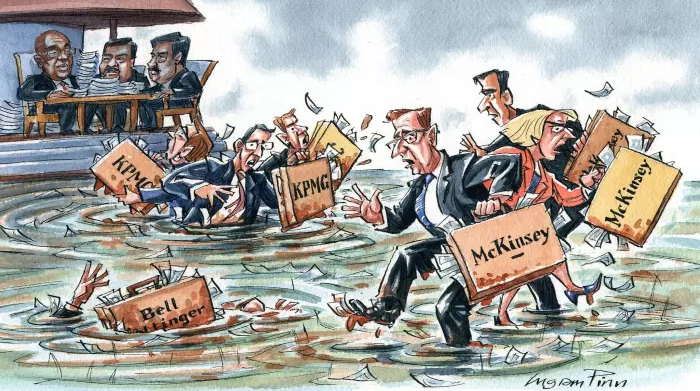
McKinsey’s reputation has been heavily impacted by its work in South Africa. Could the same happen in Saudi? (image credit: Ingram Pinn)

McKinsey is a household name, at least in Saudi and South Africa. And not for the right reasons either.

The firm, which consults for governments and businesses the world over, hasn’t had a good time of it lately in these two markets. In South Africa, McKinsey has been embroiled in the Gupta family scandals through its work with the state energy firm Eskom and Trillian, a local company linked to the Gupta family.

In Saudi, McKinsey has been working with the government for years. The company hasn’t always been popular, and has often been blamed by the Saudi public for the austerity measures the Kingdom has enacted. Recent events have shone even more light on McKinsey. An article in the Wall Street Journal looked at the consultancy’s habit of hiring from the elites. To quote:

“The consulting company has employed, among others, at least two children of the man who serves as the Saudi energy minister and head of the state oil company, a son of the finance minister and a son of the CEO of government-controlled Saudi Arabian Mining Co.”

The Wall Street Journal piece describes in detail McKinsey’s company’s hiring practices in the Kingdom, and also notes that there is no allegation of wrongdoing by the firm.

The issue that McKinsey faces isn’t dissimilar to tens of thousands of other firms. It’s the choice between reputation and profit. However, few other firms are as prominent as the consultancy, partly owing to its clients (primarily government in emerging markets) and the quality of McKinsey’s people. To quote the response to the Wall Street Journal article, a McKinsey spokesperson explained that:

“McKinsey is a meritocracy. We hire exceptional people and are confident in the robust policies and practices that underpin our recruiting and development both globally and locally.”

How many exceptional people would it take to understand that working with the Gupta family in South Africa wouldn’t be good for business. Five minutes of due diligence would have thrown up the links between Eskom, Trillian and the Gupta family.

Last year I wrote about Caroline Sapriel’s masterclass on crisis communications. There’s one chart I want to re-share, which should be a guide for all of us.

cm-ladder-copy

CS&A’s crisis management culture ladder maps out where organizations are in terms of their ability to manage and learn from a crisis. At the bottom are organizations who essentially don’t care as long as they’re not caught; at the top are organizations who thrive on and grow with every crisis they encounter. Where are you at?

The question that I have for McKinsey (and every other business leader) is what price would you put on reputation? Even if the firm did work in a legally appropriate fashion, which McKinsey has claimed it did in South Africa, the spirit and the letter of the law are two different things. This question could also be asked of KPMG and SAP, who have also found themselves in the thick of it in South Africa.

If you’re unsure as to where you are on the culture ladder, here’s a stress test you can use to understand how your firm fares. Can your executives answer the following questions relating to any business engagement?

  1. Have they done a due diligence test, including listening to the communications team on possible reputational risks and stakeholder reactions?
  2. Are the executives able to clearly explain their actions? Is their reasoning believable and authentic?
  3. When viewed from the outside, would an action seem to be ethically dubious at best, or illegal at worst?
  4. What are you doing in general when it comes to corporate social responsibility? How do you engage others in conversation?
Writing in the Financial Times in September of this year, John Gapper shared his thoughts on McKinsey’s activities in South Africa:
The firm has a brisk defence to accusations from South African politicians and Corruption Watch that it facilitated state capture by helping Trillian to gain money from Eskom. It says that its own inquiry into its behaviour has not uncovered wrongdoing, nor anything that would require it to report itself to the US authorities under anti-corruption laws. This seems to be setting the reputational bar rather low.
Being willing to charge an entrenched institution in a fractured country so much money looks awfully like rent seeking, especially when payments of up to $700m were to be split with what it should have known was a dubious consulting partner. McKinsey is full of superior intellects but sometimes you only need to open your eyes. None of this occurred in a vacuum.
The group Business Unity South Africa this month bemoaned the “scourge of corruption that is stifling the country” and called for an end to a “culture of immunity”. Each time that a consultant or accountant fails to take a decisive stand, the scourge worsens. KPMG has recognised it but McKinsey is still learning. It could start by confessing that it was wrong and promising not to repeat its failure.
The firm still maintains that it behaved correctly and is walking the tightrope of self-justification. I am intrigued to see how long it will take to fall off.
I wonder if the same will be said of McKinsey’s activities in Saudi Arabia. What price is McKinsey willing to put on its reputation? You tell me.

Pinkwashing and why firms in the UAE must do better on cause-engagement

WTCAD Photo

Does this image convey a message on breast cancer awareness to you? No, me neither.

October has passed, and I wanted to share a summary of some of the corporate outreach I’ve seen around the perennial cause of choice at this time of year, namely breast cancer. In many countries around the world, including the UAE, October is Breast Cancer Awareness Month, which is an annual campaign to increase awareness of the disease.

I’m writing this post in the hope that brands understand the need not only to raise awareness of Breast Cancer, but also to support charities either through direct contributions or through cause-related marketing, such as providing a percentage of revenues for a specific product to a charity.

Here are examples of how some brands are promoting themselves, whilst not doing enough in my opinion to support a charity cause.

Staying in The Pink of Health – Tea Time at Al Bayt, Palace Downtown

Honestly, I don’t know where to begin with this idea. Is it enough to create a tenuous link to breast cancer by the use of the color pink (in this case, afternoon tea with a pink theme), without supporting a local charity?

The palatial surroundings and views of Burj Lake at Al Bayt, our lobby lounge, enlivens the time-honoured tradition of afternoon tea. The experience takes on an even more special dimension during the month of October, where you not only savour an assortment of delicious sweet and savoury treats with an unlimited selection of premium tea and coffee, but also participate in the Breast Cancer Awareness initiative every Wednesday, Friday and Saturday with a special pink theme. We see it as part of our social responsibility, an experience we encourage you to share with friends and family.

Pink yoga session promotes breast cancer awareness at The St. Regis Saadiyat Island Resort, Abu Dhabi

While there’s a link between exercise and cancer, does a ‘Pink Yoga’ session warrant a media communication? Is this another unwarranted attempt to PR a charity issue, without enough thought as to what the call to action will be?

Hotel guests got in the pink yesterday in support of Breast Cancer Awareness Month.

The St. Regis Saadiyat Island Resort, Abu Dhabi hosted a session of ‘Pink Yoga’ to promote the health benefits of regular exercise – with all participants asked to wear the color.

Admission was complimentary for people staying at the resort, members of The St. Regis Athletic Club, where the class was held.

People who visit the hotel on or before Saturday will be greeted by a floral arrangement of blush-hued blooms in keeping with the annual health campaign, which is held around the globe each October.

The flowers will remain in the building’s main entrance until Saturday.

Researchers have identified a link between the likelihood of developing breast cancer and being overweight or obese. Regular physical activity and the maintenance of a healthy body weight, along with a healthy diet, can considerably reduce the risk of developing several kinds of the disease, the World Health Organization has stated.

Go Pink This Month With Tweezerman

This announcement takes the prize for the worst possible communication on breast cancer. Whilst the company says that it allocates a portion of its profits to charitable organizations, while actively supporting local communities, there’s no mention anywhere in the communications of who these recipients may be or if my purchase during the month will mean a contribution to a local charity in the UAE. The communication is below:

Pink tweezerman

The beauty tool brand, loved by makeup artists and beauty enthusiasts alike, both locally and internationally, Tweezerman presents the Pink Slant Tweezer in honour of Breast Cancer awareness month.

Like every beauty tool by Tweezerman the Pink Slant Tweezer has a perfectly calculated tension and ergonomic shape for comfort and control and an award-winning hand – filled precision tip, the best for eyebrow shaping.

How To Get Cause-Related Marketing Right

There are so many more bad examples from October out there (including the featured image at the top of the post). Dressing your staff in pink, serving cupcakes and then communicating with the media/through digital channels doesn’t mean that you’re supporting the fight against breast cancer.

I’ve written on the issue of not-for-profit marketing right before, but it still seems that brands aren’t understanding that they need to put in more than a couple of hours thought into this type of exercise. Here’s a simple to-do list:

  1. Build your activity around a consumer insight.
  2. Make sure your brand aligns with the cause.
  3. Involve a charity partner and define your brand’s social responsibility.
  4. Develop a simple promise/call-to-action using clear messaging and accountable outcomes.

If you’re not getting these four steps right, then don’t jump in. The worst thing you can do for a brand is either pinkwash or greenwash. You’re eroding consumer trust in your brand, and your customers will move to another brand that they deem to be more honest.

Brands in the UAE, I hope you’re listening.

Are you listening and engaging clearly? Really?

Listening baby

Listening to and engaging with audiences in clear language that is understandable even to a toddler is the basic building block of comms. And yet far too many people aren’t doing this.

Houston, we have a problem. And unlike this last sentence, which was transmitted clearly from space and the Apollo command module to NASA back in 1970, we as a function are not getting the three basic tenets of communications right.

Listening

Did you recently read about the WHO decision to make Zimbabwe’s President Dr Mugabe a goodwill ambassador. Or the NHS AirBnB concept to free up beds? I once though that such headlines would be the purview of April Fools or the Onion website.

I’m frequently finding that organizations are not listening to their stakeholders, and are making decisions which, in hindsight, turn out to be poorly thought through and which do reputational damage.

Engagement

Part of the reason why we’ve gotten so bad at listening as organizations because we don’t engage with anyone outside our offices. It seems to be a trend for far too many communicators to be glued to their laptops or smartphones and not actually getting out enough to meet face to face with real people.

This trend would also explain why communicators are pushing out content of their choosing rather than actually responding to the needs to their audiences, be they media, consumers or any other group. I’m constantly being told by journalists about how their requests are being ignored, and yet when the firm wants something they’ll be all open to reaching out. What ever happened to give and take, transparency or an open dialogue?

Clear, Understandable Language

No, your office opening won’t revolutionize the region. Your latest product isn’t “a globally recognized innovation”, and your work on developing a new site for buying diapers isn’t groundbreaking.

We have a tendency to use jargon, to make what we’re doing sound smarter, more grandiose than it really is (and it’s not new, as this 2014 article from The Guardian shows).

We need to ask ourselves if our words pass the child’s test. Could we explain what we are doing to a child, and would they get it? If not, then we need to scrap the wording, and drop from the public release all the phrases that we love to use internally.

We all understand the basics of communicating as individuals. We listen to the other person, we engage with them and respond, and we look to do so clearly and concisely (ok, not all of us). If it’s so simple to understand as people, then why do we struggle as organizations to get these basics right? As always, I’d love to know your thoughts on this.