Who delivers the message is just as important as the message itself – a lesson from Abu Dhabi

Now, if you were to present to these people what would you think of wearing? (image source: The New York Times)

Many of us in the communications industry spend so long on developing the message itself that we often forget about the impact of who is going to deliver the message. A striking example of this and one of the most striking examples of mismatching the what with the who dates back to 2006, when Dubai’s DP World lost control of six ports in the US in part due to a lack of understanding how to present to a specific audience. For those who remember the episode the highlight was UAE nationals dressed in kandouras presenting to US officials, which didn’t help to assuage American lawmakers that the ports would not be a security threat in the hands of an Arab-owned company.

A news item this week caught my eye. It was an interesting article about a subject that needs more airtime, that of energy conservation and electricity subsidies. I’m going to quote from the article, which was published in the English-daily Gulf News, below.

When you switch off a lamp or an electric gadget when not needed, it is not merely minimising your own expense, but helps the nation implement more welfare measures for its people, including building more schools and hospitals.

Abu Dhabi Government spent Dh4 billion on subsidies on oil that used for energy generation last year, a senior official said here yesterday.

If energy consumption is minimised, the oil used for power generation can be exported and its revenue can be used for constructing schools etc, said Robert Bradley, Senior Policy Advisor — Climate Change, Directorate of Energy and Climate Change at the UAE Ministry of Foreign Affairs.

He was speaking at a discussion meeting in the capital… It was Abu Dhabi Sustainability Group’s sixth Hiwar Session (the Arabic word for dialogue), a public event, which aimed to shed light on current economic, social and environmental issues and its implications for sustainability in Abu Dhabi.

Let’s have a look at the message, which in itself is fascinating. Abu Dhabi is spending unnecessary money on power generation, money that could be spent on infrastructure, on public services, education or healthcare. All good so far. However, who is speaking and to which audience?

We have a Westerner, an expat talking about nation-building. Okay, but which group(s) would have have the most interest in looking long term? Who uses public services such as national schools and hospitals? It’d be a safe assumption to say UAE nationals. And which consumer demographic uses the most electricity per head (take a guess… yes, it’s locals).

The question would be, why isn’t a UAE national delivering the message, in Arabic? And why is an English-language paper reporting on this rather than the Arabic press? Surely a UAE national would have more gravitas and clout in spreading this message to his or her fellow citizens, in a language and dialect that they understand. There’d be less opportunity for misunderstandings and misgivings.

We’ve often got to think beyond the message to the messenger him or herself. If we don’t then we’re going to miss the chance to make the impact that we’re hoping for. And trust me, we’re not going to be able to rely on oil and gas in this part of the world forever.

The importance of the mobile web for Gulf-based businesses

Remember the good old days, when mobiles were there only for making or receiving calls? Forget them, and start thinking mobile web sites and more business (image source: tandemdigital.co.uk)

It’s official! The UAE is again a world leader, but this time in smartphone penetration. Seventy four percent of UAE residents carry a big, bad smartphone in their hands (some of us have two of them on the go at a time). Saudi Arabia is third, with seventy three percent of people carrying mobile devices according to research conducted by Google for its ‘Our Global Planet’ project.

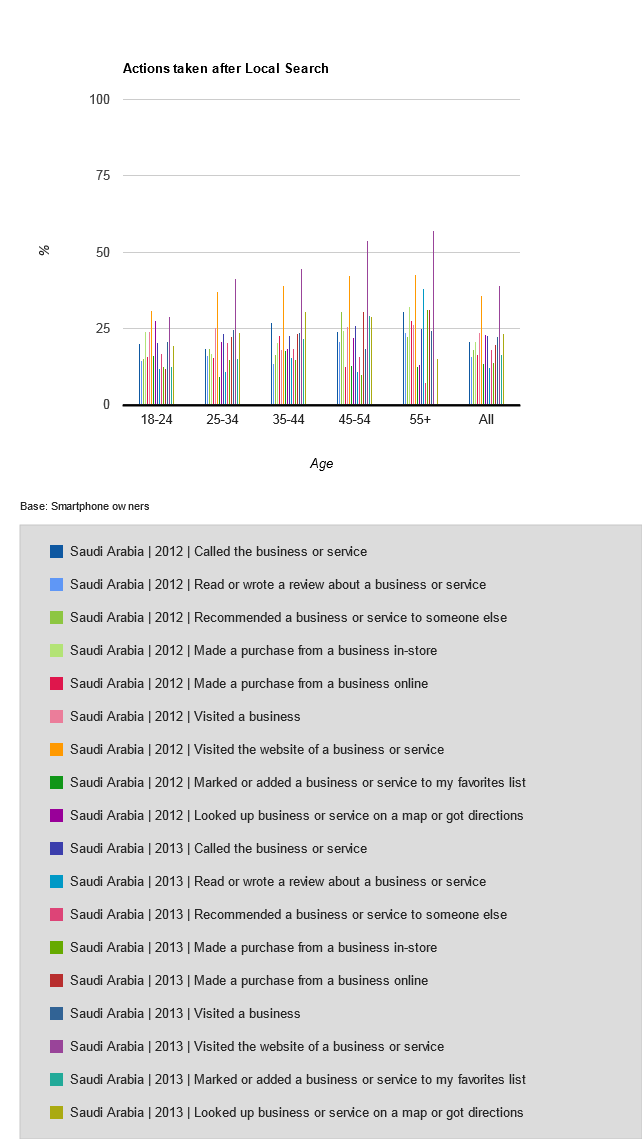
The good people at UAE-based PR agency Spot On PR have summarized the findings for the UAE and you can do the same by going to Google’s website and customizing your query. What’s most striking is local behaviours. Have a look below.

Have a look at the frequency of local searches and look at the growth from 2012 to 2013

Have a look at the frequency of local searches and look at the growth from 2012 to 2013

Actions taken after Local Search in Saudi Arabia in 2012 and 2013 across all age ranges and gender types

Actions taken after Local Search in Saudi Arabia in 2012 and 2013 across all age ranges and gender types

What is strikingly obvious from both of the graphs above is that local search is now essential to local businesses. And yet, we’re still pretty awful when it comes to developing websites for mobile browsers.

So how do you change this? The first piece of news is pretty obvious. Go and get a website (it’s amazing how many businesses still don’t have sites in this part of the world). Secondly, if you’re not sure about how mobile-friendly your website is then test it using a tool such as W3C’s Mobile Ok Checker. These will be able to tell you what you’re doing right and what you’re getting wrong when it comes to rendering or displaying your site on a mobile browser.

If you’re stuck on how to develop a website that renders well on mobile browsers why don’t you consider using a content management system such as WordPress. WordPress has website styles that automatically adapt or respond to different browser types. WordPress is free and you don’t need to even pay hosting fees if you use WordPress’ own servers.

Even if you have a mobile-friendly website remember to use back-end analytics programmes from Google or other providers to better understand what your customers are doing on your website and what you can do to improve their experience. If you’re looking for more advice on what you should be doing to generate business from mobile have a look at this crib sheet for mobile e-marketing by local developer Saad Bhatti or get in touch with the good people at Spot On. But the general message is, do more on mobile!

A glimpse into Social Media in today’s Gulf

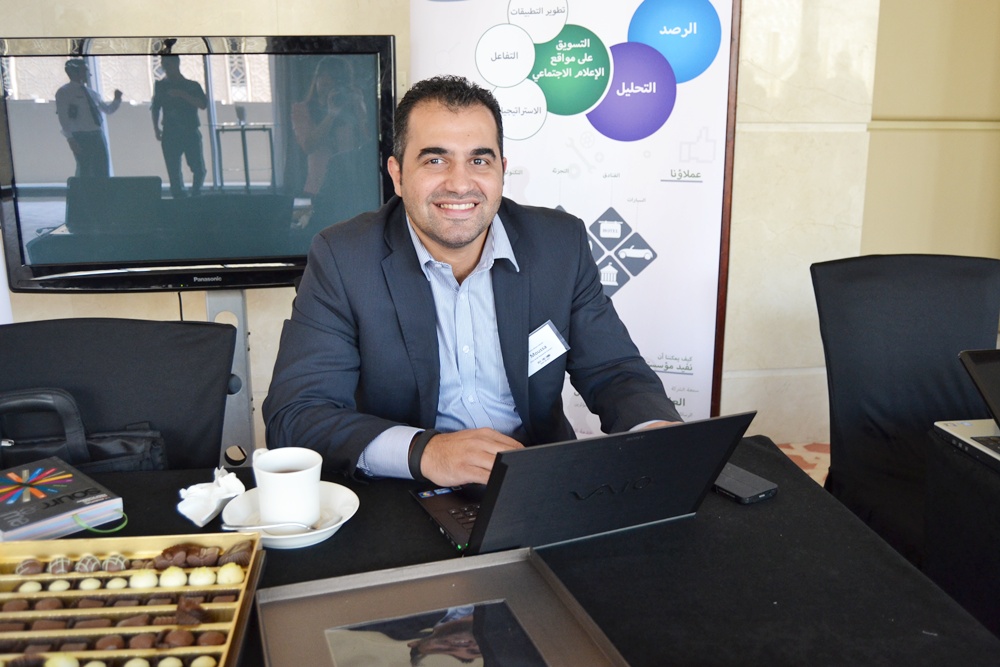
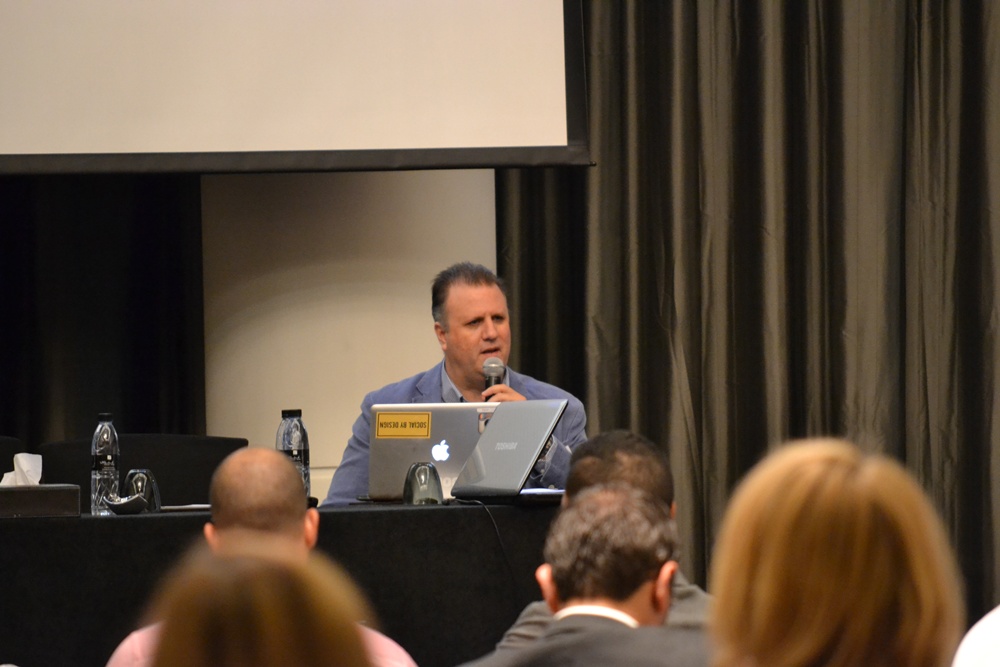
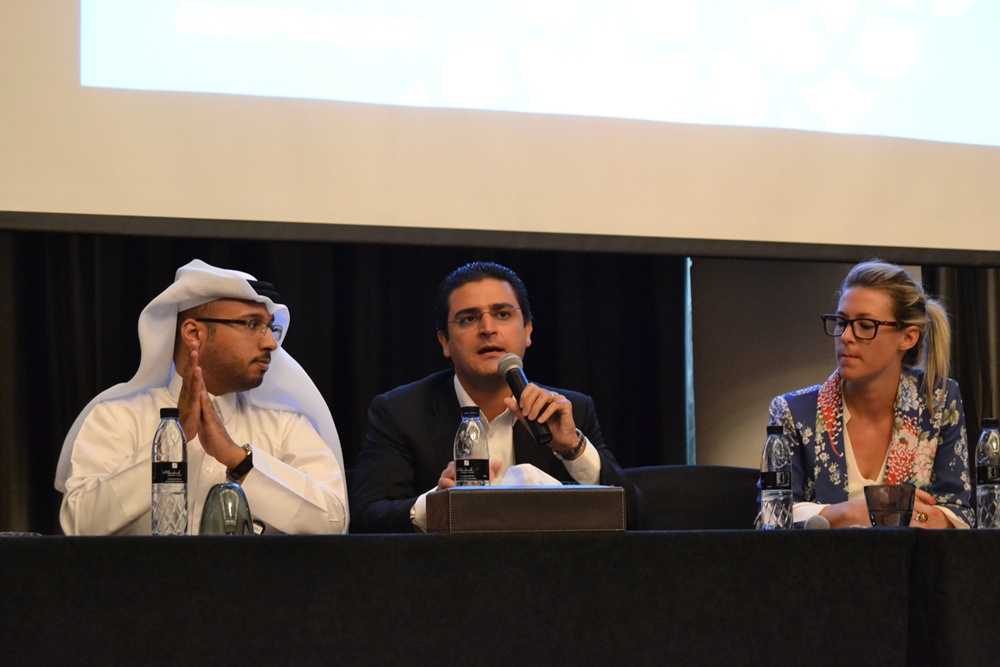
It’s not often I can say that Monday is my favourite day of the week (as Bob Geldof says, I don’t like Mondays) but this week was an exception thanks to the inaugural Social Media Forum. Arranged by the Middle East Public Relations Association, the event brought together some of the world’s largest social media names present in the Gulf including Facebook and Twitter’s local agency Connect Ads to talk shop about what’s happening in the social media world. And by the looks of it we’re addicted to social media.

The latest stats from Twitter are stunning; there’s now six and a half million active users of the social media channel in Saudi Arabia (active users are those who use their account on a daily basis), which represents a growth of 500 percent over last year’s numbers. In the UAE there’s 1.5 million users. But the highest percentage of Twitter users to a population is in Kuwait, where one in three people – one in three million – use the service on a daily basis.

While Facebook’s spokesperson didn’t reveal updated numbers about users in the Gulf region usage trends have changed thanks in part to widespread adoption of smartphones and broadband wireless networks such as 3G and 4G. The average user will check Facebook 11 times a day, up from 3 or 4 times, partly thanks to Facebook’s latest mobile applications. Sixty percent of Twitter users in the Middle East and North Africa are now using the service while watching television (the logical question would be, where are you advertisers and why are you not taking advantage of this?).

The good news would seem to be that (some) clients are now understanding social media is more than just followers, likes and retweets according to the head of analysis agency Social Eyez. One speaker at the event, the corporate communications manager for the Qatar Foundation, told the audience that a sixty hour social media activation with FC Barcelona using Twitter drove global brand awareness by upwards of 20 percent. This goal would have been unachievable with conventional media without an eight figure marketing budget. Social media has changed both marketing and communications completely, and long may our love of tweeting and posting continue in the Gulf.

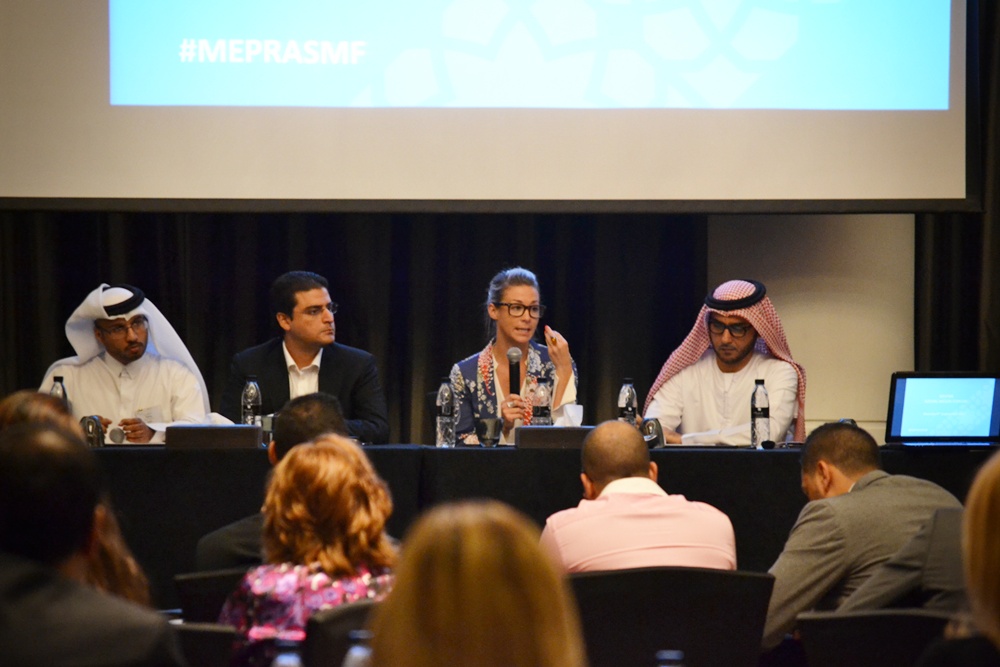
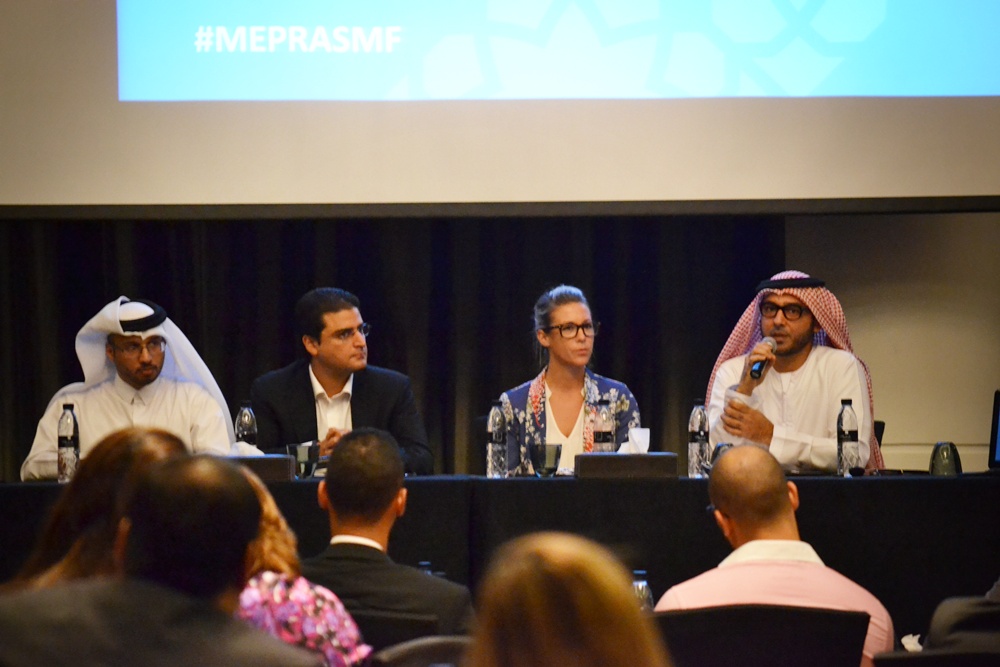
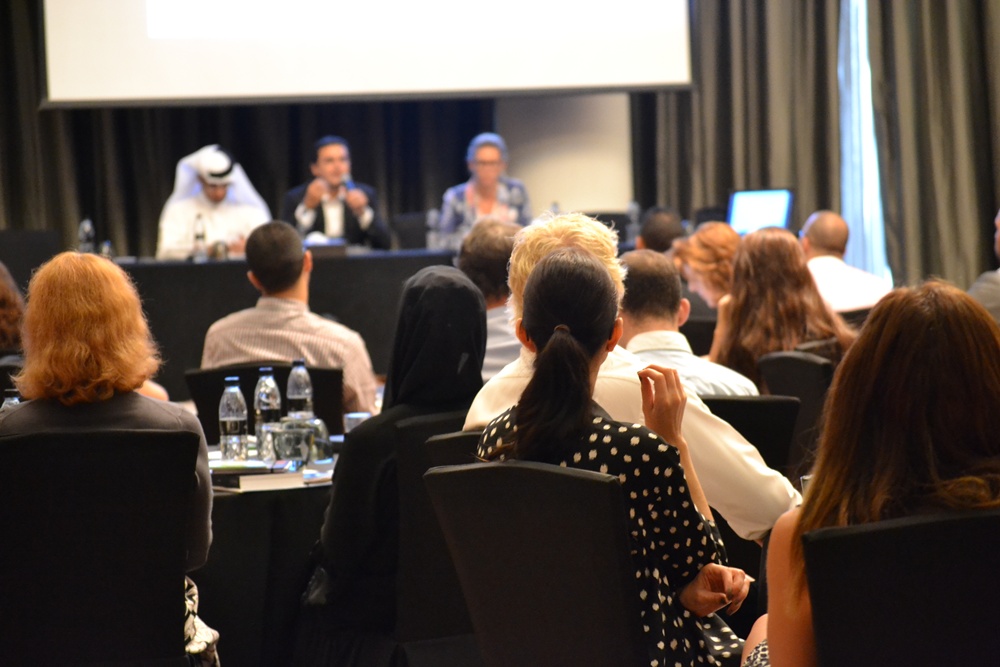
If you’re interesting in seeing the best practice presentations from the event you can download the Facebook Middle East Public Relations Association Presentation here and the Twitter Social Media Forum Presentation here. MEPRA will be holding more events on social media soon, including with the Social Media Club in Bahrain and other areas of the region. For a glimpse of the event have a peek at some of the pictures below.

Dubai Customer Service 101 – Respond to the Complaint with a Job Offer

While the Middle East and particularly Dubai is blessed with many things, good customer service isn’t our forte. A friend went shopping for a camera at one of the local malls and had a fun experience. Have a read through his email to the company and their wonderful response. It really did crack me up when I saw it, and I’m sure that if you’ve been here and had to deal with customer service you’ll empathize!

This is the complaint letter sent to Canon. Customer service anyone?

This is the complaint letter sent to Canon. Customer service anyone?

And then the response from the company. I’ve seen some wonderful responses in my time but this is a first.

This is just hilarious! I can only hope this is an auto-reply.

This is just hilarious! I can only hope this is an auto-reply.

How is the Middle East’s marketing industry dealing with the digital question?

Are marketing executives in the Middle East ready and willing for the digital era? (image source: http://www.219group.com)

One of my favourite reads on marketing in the Middle East is a monthly publication called Gulf Marketing Review. This month’s edition included the title’s inaugural value exchange survey for the region. The survey, which is conducted by da Vinci Marketing, reached out to marketing executives across the region to better understand what is happening on a brand management level.

The report, which was included face-to-face interviews with a host of marketing executives from leading brands, outlines a number of trends across the marketing strata in the region:

1) All digital – there’s more marketing focus online but marketing executives are demanding more information to better understand the benefits of digital solutions/technologies.

2) Increased specialization – clients are increasingly moving towards ‘niche’ agencies who have specific skills sets.

3) Social, mobile and content – questions remain about who manages social media (i.e. is social media handled in-house on the client side or by the client’s agency), and the importance of search and mobile to marketing teams across the region.

You can download the da Vinci’s inaugural Value Exchange Study in GMR through this link. And if you’re based in the Middle East it’s well worth buying a hard copy of this issue’s magazine. The insights are fascinating.

How to communicate conservation messages effectively – an example from Huvafen Fushi

There are some places and people in the world who just seem to do everything right. One of them is a resort in the Maldives named Huvafen Fushi. While we stayed at the resort because of its reputation, we came back with a wealth of knowledge about the island’s/company’s conservation efforts. We sponsored corals, we dived off the reefs to learn about its ecosystem, and we ended up getting out feet wet while feeding the island’s school of stingrays.

Why did we learn so much? Simply because we had so much fun while getting hands on with Huvafen Fushi’s staff. Learning is always best when it’s fun and involved, and I know a fair few companies who could learn from Huvafen Fushi. Have a look at the video and if you’re interested in adopting a coral then click through here (the hotel even sends you annual updates on how your coral is growing).

As a side thought it’s wonderful that the resort has reached out to so many guests this way, most of whom will be decision makers back in their home countries. What better way to enjoy a vacation that to learn about why and how we should take care of our environment?

Is Dubai ready for what comes after the Expo 2020 win?

Is Dubai ready for the scrutiny that will follow the Expo 2020 win? Has the country learned any lessons from Qatar’s FIFA World Cup experiences? (image credit: http://www.expo2020dubai.ae)

The stage is all set, the bids are in. If I were a betting man I’d probably place my house on Dubai winning the Expo 2020, the World Fair that is set to be held in 2020 and which is expected to attract millions of visitors over a six month period. Of the other four national/city bidders Thailand has pulled out of the process and of the other three (Brazil, Turkey and Russia), two have been experiencing mass protests of late relating to governance issues (that’s a very PC way of saying riots, teargas and and general chaos as played out on television).

The bidding for the Expo 2020 is winding up this summer with a vote and decision expected by November. But if/when Dubai does win, what next? Ok, we have the plans to build a World Fair that is expected to bring in over 30 million people but as Qatar now understands the big events also bring major scrutiny.

Let me explain further; Qatar’s winning of the 2022 FIFA World Cup was exceptional and unexpected by most. Almost immediately after Qatar won the bid the questions came flying in. How does Qatar treat its ‘enslaved’ foreign workers? Will the beer flow for the fans? And, the most bizarre one I’m sure for the Qataris, will homosexuals be allowed to go to Qatar without facing the risk of being arrested? As they’ve found out, the bigger the event the greater the level of questioning on issues, many of which may not be directly related to the event.

I wonder how much Dubai is ready for this level of scrutiny? The Emirate suffered during the global economic crisis, and it could be argued that Dubai’s cause wasn’t helped by its lack of transparency on financial issues. How will Dubai cope with the level and intensity of questioning that will come win the Expo 2020 win? While I don’t see the Expo as being as high profile an event as the FIFA 2022 World Cup, Dubai and the UAE aren’t so dissimilar to Qatar in terms of issues such as labour rights, security issues and freedom of expression.

Is Dubai ready for the questions that will come after, Inshallah, the Emirate wins the Expo 2020 win? What do you think?

Red Bull and a crisis in Kuwait that hasn’t hit the headlines

Surprisingly, Red Bull has not hit the headlines for what appears to be a number of major events in Kuwait. The company, best known worldwide for popularizing the energy drink concept, has apparently been embroiled in a crisis in Kuwait after a young Kuwaiti passed away after drinking too many cans of Red Bull. I’m going to continually use the word apparently as there’s no information out there in English and the only information in Arabic can be found on chat rooms.

According to Kuwait’s social media scene the Kuwaiti Ministry of Commerce has of the end of March banned all sales of Red Bull to those under 16 years of age. The below are a news piece from Kuwait’s news agency Kuna and an image shared over twitter of a Red Bull fridge with a sign in Arabic saying that Red Bull is not for sale to those under 16 years of age. Here is the same info on a discussion forum.

The article from Kuna on Kuwait’s decision to ban Red Bull sales to those under the age of 16. There’s no publishing date on this however (credit: Downtimes)

And a sign on top of a fridge which states that no sales of Red Bull are allowed to those under 16, which is supposedly from a Kuwaiti grocery store (credit: UAEwomen forum)

Kuwait’s Twitter community has also been focusing on the news, but surprisingly the topic hasn’t been trending outside of the country.

Whether this is all true or not, as it always the case with the internet the story is spreading especially in Arabic. The news can now be found on sites across the Gulf in Arabic. The fear may be that other GCC countries will follow Kuwait’s lead (such an action wouldn’t be unusual). However, it’d be fascinating to know what Red Bull has done to tackle this issue. There have been suggestions that Red Bull has upped its ad spending to tackle the issue, and that may explain why there’s little news of this in Kuwait’s vibrant media scene.

However, Red Bull has avoided the spotlight before. If you do read Arabic have a look at this piece on Red Bull apparently employing women to hand out cans in Riyadh back in December. Some would say brave, others would say silly.

Women walking outside of Riyadh’s Kingdom center apparently handing out Red Bull to passing motorists (credit: Murmur website)

Forget the debt – Dubai cops now have a Lamborghini and Ferrari (and more Salik toll gates)

Who needs to think about debt when you’re out and about driving a supercar. In their wisdom and in a public relations exercise that is reminiscent of the city pre-2008, Dubai police unveiled the latest addition to their motor pool last week. The US$400,000 Lamborghini Aventador can do speeds of up to 349km/h and will be used to chase down whoever has the balls to think they can speed in Dubai and not get caught. I’m still trying to work out how they’d stop criminals, but I’d assume the very fact that a cop is driving one of these cars would be enough to startle transgressors into taking their foot off the accelerator.

In preparation for the hard work of bringing law-breakers to justice, the Lamborghini and its driving team were dispatched to Dubai Mall to drive around the world’s largest shopping center and pose for pictures. The aim? To show tourists “how classy Dubai is”.

But Dubai Police didn’t just stop there. The news was followed a couple of days later by the announcement that they’d be adding a Ferrari as well. After all, just having a Lamborghini alone is so passe, especially since the UK, Qatar and Italy also did the same several years back. The Ferrari FF is cheaper than the Lamborghini and sells for 900,000 Dirhams or just over US$250,000 dollars. The supercar is slightly zippier than the Lamborghini (I’ve been told) and does 0-100km in a 3.7 seconds. And it has more storage space, including room for two Krispy Kreme dozen donut boxes and paper coffee cups.

To your left, the Ferrari FF. And to your right, the Lamborghini Aventador. It’s Dubai’s version of toys for the cops (credit: Emirates 24/7)

With impeccable timing, Dubai’s Roads and Transport Authority also announced that two new Salik toll gates would be going live on the Dubai-Sharjah border. The gates will collect a toll of 4 Dirhams from each car that passes through them, and the full story plus lots of interesting comments can be read here on ArabianBusiness.com. One adventurous resident posted his take on both stories. I like the idea.

Dubai’s new Ferrari fund, brought to you by the RTA (credit: @danielmarcevans)

On a serious note, most of us could agree that we’re living in an age of austerity. Dubai itself hasn’t been immune from the global economic drop, and the city-state will have to pay US$22 billion of debt next year according to rating agency Moody’s. Most countries worldwide have had to cut back on spending, and if this idea had been ventured in Europe you’d probably find someone losing their job. With so much money to pay off does this send out the right message about debt and responsibility, both on a local and a global level.

While both supercar stories make for great PR, I wonder what thought went into the decision especially with the timing of the two new toll gates. Have the silly days returned to Dubai? For a city that has done so much good and yet still has many challenges to face, I do hope not.

No mention has been made if Dubai Police have insurance for the Lamborghini or the Ferrari.

Geant launches a budget brand called… Advert (in Arabic)

I love budget brands. I used to live on them when I was a uni student. There’s nothing better than paying as little as possible for the basics, especially when money is tight and we don’t want to forgo those everyday essentials as well as a treat now and then. I was excited to see Geant in the UAE launching a low-cost series of items. Low-cost brands haven’t been common in the Middle East despite the increasing popularity of hypermarkets in the Gulf.

Geant plumped for the name Elan in English, which could suggest inspiration or style. So far so good (though one could ask if the concept of inspiration fits well with budget tissues, mineral water and ketchup). But then we come to the Arabic. And here’s where we have a concern. Elan has been translated as اعلان which means… advert.

I don’t understand the thinking behind the brand’s naming. Was someone thinking this space would be sold? How did brand manager think this would resonate with Arab shoppers? Would you buy a bottle of mineral water called Advert?

Kudos to Geant for taking the initiative to launch a budget brand, especially when food and household prices are rising. But please think about that naming good people. You can do so much better.

PS for a full list of what Geant sells in its Elan range click on this link.