Unknown's avatar

About alexofarabia

I'm am obsessive compulsive communicator who has lived in the Gulf for almost a decade. Enjoying the challenge of working in a region where you've got to be innovative, patient and determined to make things happen. Miss being a full-time journalist! Miss family even more! Sometimes I mouth off, but more often I grit my teeth and try to encourage change through a smile (not as easy as you think). Despite now living in Dubai Bahrain is home for me.

Copy and Paste: Gitex news and repeating the same message

I used to joke with a good friend of mine who works as a journalist that companies would often recycle news year after year during the region’s largest technology exhibition. I’d tell him that firms would simply change the date of the previous year’s press release and joke that maybe he’d do the same.

I was reading over one news piece from Dubai Airport Free Zone (DAFZA) during this year’s GITEX. The piece, which I’m pasting below and which is linked to here, is on the launch of the organization’s first official mobile application.

DAFZA launches its first mobile application, in 2013

DAFZA launches its first mobile application, in 2013

I thought I’d seen the news before, so obviously I asked Google. And what did I find?

DAFZA launches its first mobile application news, from GITEX 2011

DAFZA launches its first mobile application news, from GITEX 2011

Copy and paste anyone?

Five tips on how to survive and thrive during Gitex

It’s here, the region’s most manic event. Gitex, the Gulf Information Technology Exhibition, is to public relations and media people what Christmas is to parents of little children who believe in Father Christmas; a ruthless, insane, once-in-a-year event where everyone wants what’s on their wish list and you have to deliver.

From someone who’s done his fair share of Gitex exhibitions both as a journo, a PR person and as one of the organizers, here’s my five top tips on how not just to survive Gitex but thrive despite all of the noise, confusion, and occasional tantrums (you know whom these executives and organizers are). So here we go!

1) A phone with an endless battery

At Gitex your phone will be ringing incessantly. No one has died, there’s no new births to report, and the world is not coming to an end. But if you’re a journalist you’ll be every PR person’s best friend for five days (especially if you work for the official publisher ITP). And if you’re a PR person the pressure to deliver interviews will quickly build to a crescendo. Every single journalist within a four-hour flight will be on your quick dial list. Just don’t let the phone die.

Make sure your phone battery never, ever dies during Gitex. Or else you’ll never be forgiven. (image source: Daily Mail)

2) Lots and lots and lots of caffeine

You will not eat or sleep during Gitex. What you will live on is caffeine and taurine. You will drink coffee, tea, and Red Bull like its water. Gitex veterans will normally lug around with them a couple of cans of energy drinks. And for those new to Gitex, bring lots of small change. The venue doesn’t sell cheap beverages (there is however a supermarket around the corner in the DWTC residences, besides the metro station and opposite Pizza Express).

The above is one way to carry your Red Bull during Gitex, though it’s not recommended. (image source: wikimedia)

3) Ear Plugs

Gitex is noisy. Actually that’s wrong. Gitex is deafening. Exhibitors assume that the higher the wattage from their surround sound system, the more people will stop and watch the models… ahem, executives talking about their business. Gitex is the exhibition equivalent of a Tuesday night club which is hosting a drum and bass session combined with a ladies free-entry policy. If you want to ensure that you leave with your hearing intact then take ear plugs with you. Just don’t forget to take them out when you’re interviewing/arranging for interviews.

Pillows won’t help with the noise pollution at Gitex. Get some ear plugs. (image source: http://www.alpinehearingprotection.com)

4) Panadol, Ibuprofen, Vicodin…

You get the point. At some time during Gitex, you’re going to be hit by the mother of all headaches. Be prepared, take lots of meds with you. And if you don’t have any and the dreaded throbbing and pain strikes then head on down to the pharmacy on the concourse to grab your pain killer of choice.

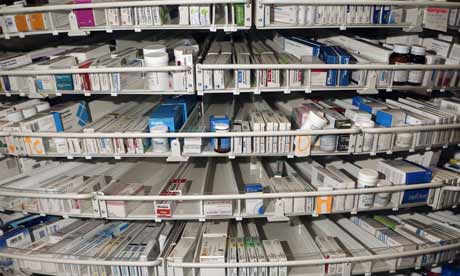
Bring drugs, lots of drugs! You will need them. (image source: The Guardian)

5) The Patience of a Saint

At some point you’re going to be surrounded by screaming, nagging executives who are behaving like a bunch of toddlers/prima donnaa. There’s really thing that you can do, apart from swallow your pride, paint a smile on your face, and remain calm. Gitex would test the patience of the Dalai Lama, so remember you’re not alone in your frustrations. For the week however, you will have to suffer in silence. Remember that patience is a virtue so stay calm!

Keep calm, take a deep breath. Gitex will soon be over. (image source: http://www.keepcalm-o-matic.co.uk)

What’s your top tips for Gitex? Share and share alike. Remember, we’re in this together!

Déjà Vu and Dubai’s Real Estate Sector – Is Communications Doing Enough to Win Back Consumer Trust

We’d just finished off another round of Cityscape here in Dubai, an exhibition that was the highlight of the decade that was the 2000s. When 2008 struck, Cityscape was almost forgotten about. No one wanted to be reminded of how much Dubai’s real estate sector had fallen. Anyone who visited the event this month may have been forgiven for thinking that the downturn never happened. We were bombarded with news about how good everything is looking; one executive from Dubai-based executive Damac claimed there had never been a property bubble to begin with.

All the good news hasn’t been without incident. An announcement at the beginning of this month revived plans to build a canal, this time linking Dubai’s Business Bay waterway system out to the Gulf at what is now Jumeirah Beach Park (Alex McNabb wrote an excellent blog piece about the news which you can read here). Other reports have focused on stalled projects which have neither been revived or cancelled, basically locking in investor money (the law here in the UAE requires projects to be cancelled before any collected monies can be returned to investors), and the proposed establishment of a body that would help return funds to those who invested in projects which never got off the ground.

While there’s no doubt that the boom is back and that Dubai is again one of the leading lights when it comes to global real estate, is enough being done to ensure not just investors but ordinary people out there, the likes of you and me, that mistakes which were made in the past will not be repeated?

If you’re an Arabic speaker listen to this interview at Cityscape with the CEO of Damac Ziad El Chaar.

The End of the Fattah Era at Abu Dhabi’s The National

How will The National change following Fattah’s departure to the world of Public Relations? (image source: http://www.capitalnewyork.com)

As they say, all things must come to an end. This month in the United Arab Emirates we witnessed a rare occurrence, the departure of an editor-in-chief at one of the national newspapers. After five years Hassan Fattah stepped down. The news wasn’t surprising to most of us media watchers when it was officially announced by The National on the 2nd of October. The news had been unofficially published by Capital New York on the 19th of September after personal emails had been leaked to The National staffers (one email apparently contained an employment contract from Fattah’s new employers).

Fattah’s time at The National hasn’t been without controversy. The paper, which was once dubbed “The New York Times of the Middle East”, once held aloft the ideals of freedom of the press and professional journalism in a region that suffers from a lack of both. Today, while The National is a quality read it hasn’t lived up to the goals that its founders and editorial team strived for at the paper’s launch.

Instead, judging by the number of pieces that have been written about The National by blogs and other online news outlets the paper has been riven by leadership issues at the top by people who have had to juggle the demands of producing good quality editorial alongside keeping the newspaper’s owners, Abu Dhabi Media Company, happy. The nadir was reached when disgruntled employees started a Facebook site with the aim of highlighting their unhappiness at how the newspaper was run.

Fattah has moved on to the dark side, to the world of public relations. He’ll be heading up communications for a company that is not much loved in the UAE – GEMS, the ‘world’s largest private education company’. It’ll be interesting to see how he copes with the move; public relations isn’t the easiest profession at the best of times but trying to prove that paying more per year for a child’s education than one would pay for an MBA in a top UK University is good value for money would be a stretch for even the most experienced communications spin doctor. How will Fattah cope with keeping his employer happy and the press onside whilst trying to convince a skeptical public about GEMS’ altruism and the value for money provided by its services for example?

However, my gaze will remain firmly on The National. The paper is still one of my favourites and I believe that despite all of the events of the last couple of years there remains the promise of a publication which can raise journalistic standards in the Gulf. Call me naive, simple or whatever else you want, but I’d rather live in hope that The National can return to the vision spelt out by Abu Dhabi Media chairman Mohamed Khalaf Al Mazrouei on the eve of its inauguration, of “a free, professional and enlightened press” that will play a key role in the development of the country. Am I asking too much? Let’s hope not.

The Middle East and its addiction to Facebook – 2013 stats and figures

Yes, we Arabs have adopted Facebook as our own (image source: muslimscrisisgroup.wordpress.com)

Most of us in the region already know how effective and powerful Facebook is. The social media site played a prominent role in the Arab Spring, particularly in Egypt, and its popularity has endured in the face of challenges from other services such as Twitter and YouTube (I’m not even going to mention Google+ in the same sentence).

Facebook released some figures this week about the site’s usage in the Middle East. According to Facebook’s head of MENA Jonathan Labin over twenty eight million people in the Middle East and North Africa are using Facebook every day. Fifty six million use the site every month and of those thirty three use a phone or tablet device to check their profile. Fifteen million people access the site on a daily basis from their mobiles.

I’m going to give you a little more insight into a couple of different regions: Saudi Arabia; Egypt; the GCC; North Africa, and the Levant. The below figures, which were compiled last month, give a good deal of insight into gender split, age, marriage status, number of friends and page likes, access methods, and interface usage. If you’re a marketer in this region and you’re not using or leveraging Facebook (especially on mobile) then start rethinking your advertising and communications approach.

Meet Fraz Chishti, (possibly) the region’s first Chief Innovation Officer

How important is innovation to you and your business? (image source nbry.files.wordpress.com)

What is innovation? It’s an idea that is also bandied about today. Launch a phone in a different colour? Let’s call it innovation. How about a longer chip? Yup, that’s innovation. Well, it probably isn’t. To me, innovation should be a treasured word. To me, it implies the introduction of a new product or service that results in a transformation, upheaval even, in how we think or act. A simple example could be the car, the internet, or the mobile phone. The point is that innovation keeps us improving and moving forward.

I had the pleasure of meeting a person who does innovation for his day job. Fraz Chishti, who works for Noor Investment Group, is the first Chief Innovation Officer I’ve ever come across in this region. While his CV is impressive – he has a Phd in chemical engineering and has worked in communications, marketing, information technology and project management – what’s different about Fraz is his willingness to question and probe and not accept the status quo.

His opinions, especially for someone working in the financial sector, are different from what you’d expect. For example, Fraz worked with his CTO, the technology department and internal stakeholders to implement an open source application for the bank’s Human Resources department. Open source is a taboo in the banking sector, due to the risks associated with security and the lack of supplier accountability. However, Fraz and his team innovated and worked to develop a solution that met the requirements of a number of parties. Instead of going with an established provider, Fraz stepped out of the box and delivered a tool which, as he puts it, “gets the job done.”

In markets and industries which are becoming increasingly crowded and competitive, companies need to find better ways to distinguish themselves. They can either do that through marketing (which most do), or through a product and service focus. Add to that the disruptive nature of our digital age and consider how rapidly our world is changing.

Just talking to Fraz is an experience in realizing opportunities and unlocking potential. He’s disarmingly honest – Fraz worked with Noor Islamic Bank to understand the potency of social media rather than just jumping in blindly – with a touch of common sense (just ask him about e-commerce).

What’s clear is that Noor Investment Group has a person on the top table who isn’t afraid of floating ideas, concepts and thoughts which he will then take and mold into a functional model. He is the rare individual here who understands different functions of a business, who knows how to get ideas accepted by different stakeholders, and then collaborate to transform those ideas into processes, products or services that will add to a company’s bottom line as well as improve a customer’s perception of his organization.

In the US, the innovation officer has become an accepted position among blue-chip firms. But we’re still lagging behind in this region. If we’re looking to create rather than copy, innovate rather than import we’re going to need many more Fraz Chishtis. I for one wish Fraz and his future innovation colleagues the best of luck.

* This piece was first published on the Kipp Report news portal.

Why stonewalling the media is always a bad idea: Nakheel and Arabian Business

Another day, another flood. Nakheel’s attempts to stem the tide of negative PR by not talking to media simply won’t work (image source: arabianbusiness.com

For those that don’t know Nakheel, you’re in for a treat. The Dubai government-owned real estate developer and the name behind the world-famous Palm Jumeirah is a byword for customer relations fiascoes these days. The company has run into a number of public relations calamities over the past two year, including issues such as service fees, numerous floods, and, most recently, a new development with lakes forming from putrid water.

Like any other company, Nakheel has both fans and detractors. However, a recent story on Nakheel by popular Dubai-based news portal Arabian Business raised my interest. The piece, which was about the recent flooding at Nakheel’s Al Furjan development, included a significant paragraph at the end.

* Nakheel no longer responds to media enquiries from Arabian Business, nor does it grant this publication access to any of its media events or announcements.

When a company feels that it has to stonewall, restrict access to and stop all relations with a media outlet there’s something very wrong. Whatever the company expects to gain from this action, I can guarantee all that will result is more negative publicity and an inability to counter negative stories by providing comments from the company itself.

In these cases, my advice to any company facing a barrage of negative media is understand what is at the core is the issue and why there’s so much negativity surrounding the company’s public perception. For Nakheel, maybe their time would be better spent addressing customer service and engineering issues rather than duking it out with the media. In the meantime I’m looking forward to reading more stories about the company on Arabian Business.

Who delivers the message is just as important as the message itself – a lesson from Abu Dhabi

Now, if you were to present to these people what would you think of wearing? (image source: The New York Times)

Many of us in the communications industry spend so long on developing the message itself that we often forget about the impact of who is going to deliver the message. A striking example of this and one of the most striking examples of mismatching the what with the who dates back to 2006, when Dubai’s DP World lost control of six ports in the US in part due to a lack of understanding how to present to a specific audience. For those who remember the episode the highlight was UAE nationals dressed in kandouras presenting to US officials, which didn’t help to assuage American lawmakers that the ports would not be a security threat in the hands of an Arab-owned company.

A news item this week caught my eye. It was an interesting article about a subject that needs more airtime, that of energy conservation and electricity subsidies. I’m going to quote from the article, which was published in the English-daily Gulf News, below.

When you switch off a lamp or an electric gadget when not needed, it is not merely minimising your own expense, but helps the nation implement more welfare measures for its people, including building more schools and hospitals.

Abu Dhabi Government spent Dh4 billion on subsidies on oil that used for energy generation last year, a senior official said here yesterday.

If energy consumption is minimised, the oil used for power generation can be exported and its revenue can be used for constructing schools etc, said Robert Bradley, Senior Policy Advisor — Climate Change, Directorate of Energy and Climate Change at the UAE Ministry of Foreign Affairs.

He was speaking at a discussion meeting in the capital… It was Abu Dhabi Sustainability Group’s sixth Hiwar Session (the Arabic word for dialogue), a public event, which aimed to shed light on current economic, social and environmental issues and its implications for sustainability in Abu Dhabi.

Let’s have a look at the message, which in itself is fascinating. Abu Dhabi is spending unnecessary money on power generation, money that could be spent on infrastructure, on public services, education or healthcare. All good so far. However, who is speaking and to which audience?

We have a Westerner, an expat talking about nation-building. Okay, but which group(s) would have have the most interest in looking long term? Who uses public services such as national schools and hospitals? It’d be a safe assumption to say UAE nationals. And which consumer demographic uses the most electricity per head (take a guess… yes, it’s locals).

The question would be, why isn’t a UAE national delivering the message, in Arabic? And why is an English-language paper reporting on this rather than the Arabic press? Surely a UAE national would have more gravitas and clout in spreading this message to his or her fellow citizens, in a language and dialect that they understand. There’d be less opportunity for misunderstandings and misgivings.

We’ve often got to think beyond the message to the messenger him or herself. If we don’t then we’re going to miss the chance to make the impact that we’re hoping for. And trust me, we’re not going to be able to rely on oil and gas in this part of the world forever.

The importance of the mobile web for Gulf-based businesses

Remember the good old days, when mobiles were there only for making or receiving calls? Forget them, and start thinking mobile web sites and more business (image source: tandemdigital.co.uk)

It’s official! The UAE is again a world leader, but this time in smartphone penetration. Seventy four percent of UAE residents carry a big, bad smartphone in their hands (some of us have two of them on the go at a time). Saudi Arabia is third, with seventy three percent of people carrying mobile devices according to research conducted by Google for its ‘Our Global Planet’ project.

The good people at UAE-based PR agency Spot On PR have summarized the findings for the UAE and you can do the same by going to Google’s website and customizing your query. What’s most striking is local behaviours. Have a look below.

Have a look at the frequency of local searches and look at the growth from 2012 to 2013

Have a look at the frequency of local searches and look at the growth from 2012 to 2013

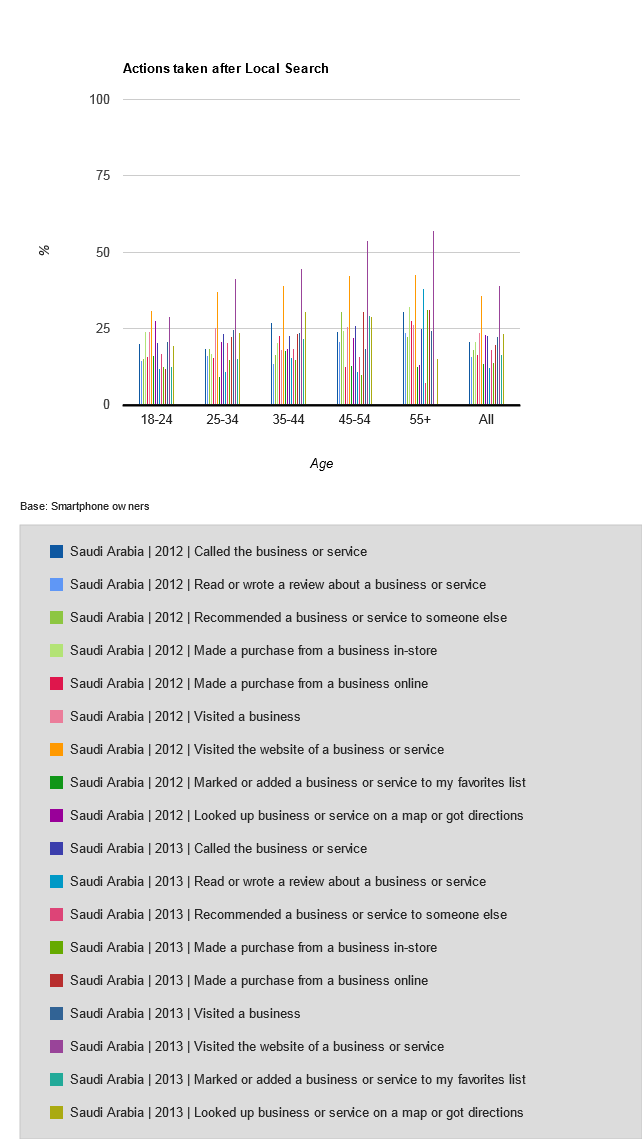
Actions taken after Local Search in Saudi Arabia in 2012 and 2013 across all age ranges and gender types

Actions taken after Local Search in Saudi Arabia in 2012 and 2013 across all age ranges and gender types

What is strikingly obvious from both of the graphs above is that local search is now essential to local businesses. And yet, we’re still pretty awful when it comes to developing websites for mobile browsers.

So how do you change this? The first piece of news is pretty obvious. Go and get a website (it’s amazing how many businesses still don’t have sites in this part of the world). Secondly, if you’re not sure about how mobile-friendly your website is then test it using a tool such as W3C’s Mobile Ok Checker. These will be able to tell you what you’re doing right and what you’re getting wrong when it comes to rendering or displaying your site on a mobile browser.

If you’re stuck on how to develop a website that renders well on mobile browsers why don’t you consider using a content management system such as WordPress. WordPress has website styles that automatically adapt or respond to different browser types. WordPress is free and you don’t need to even pay hosting fees if you use WordPress’ own servers.

Even if you have a mobile-friendly website remember to use back-end analytics programmes from Google or other providers to better understand what your customers are doing on your website and what you can do to improve their experience. If you’re looking for more advice on what you should be doing to generate business from mobile have a look at this crib sheet for mobile e-marketing by local developer Saad Bhatti or get in touch with the good people at Spot On. But the general message is, do more on mobile!

A glimpse into Social Media in today’s Gulf

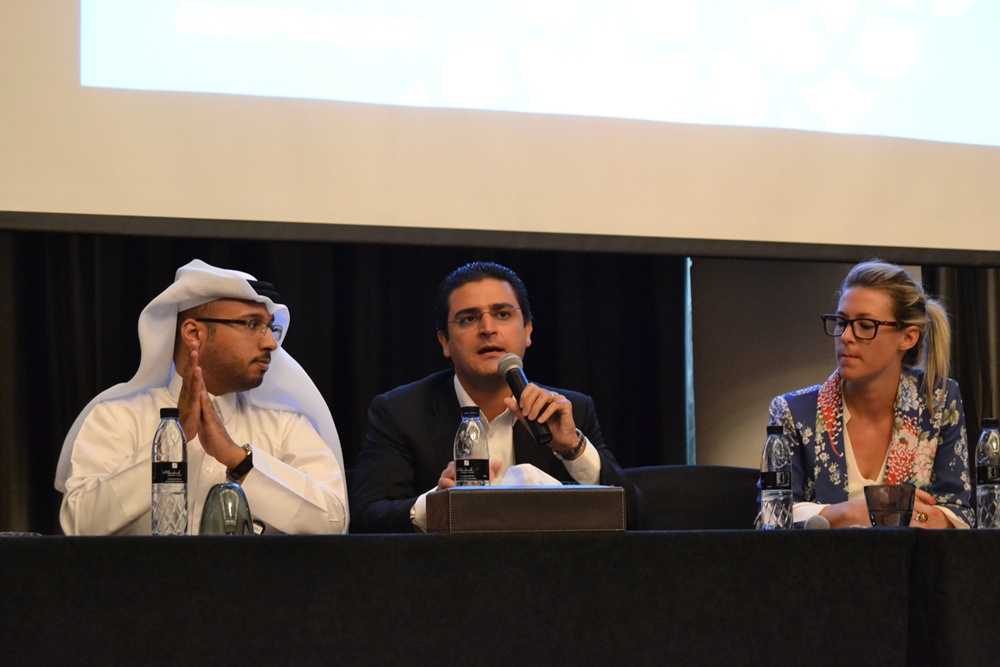
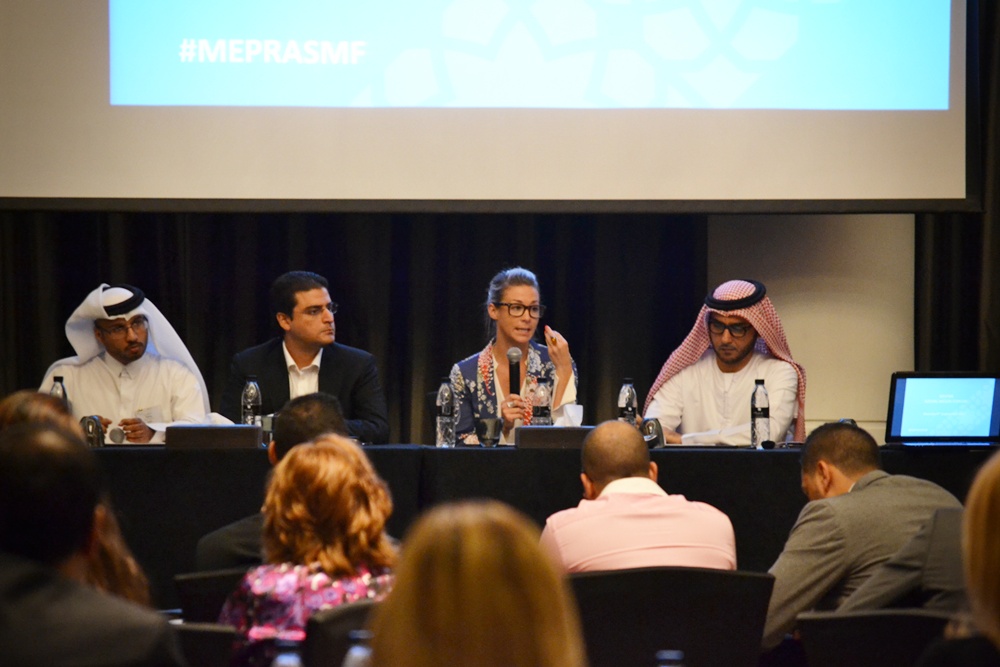
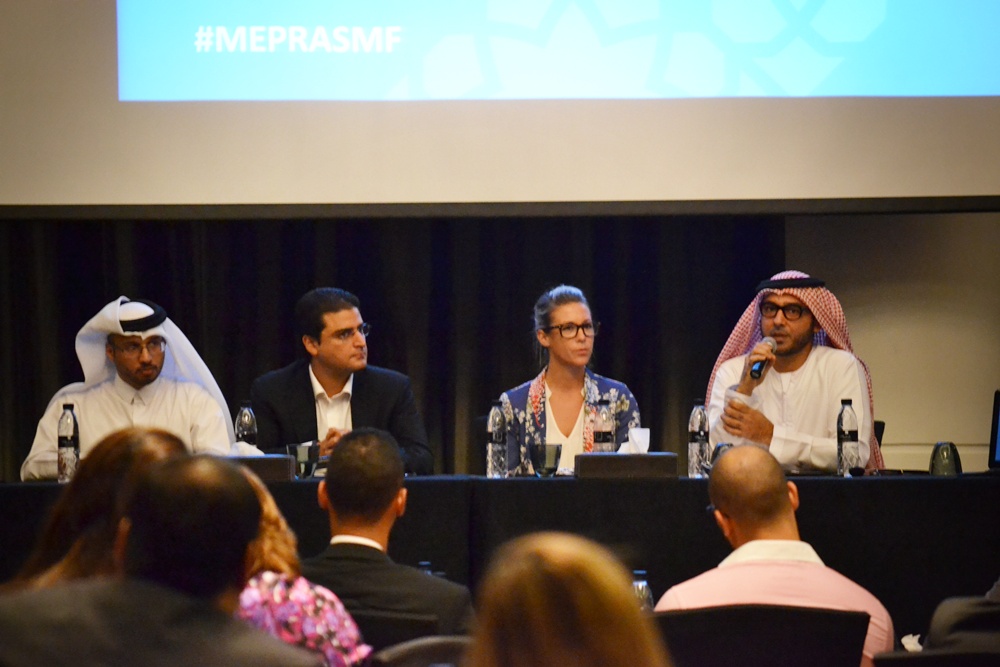
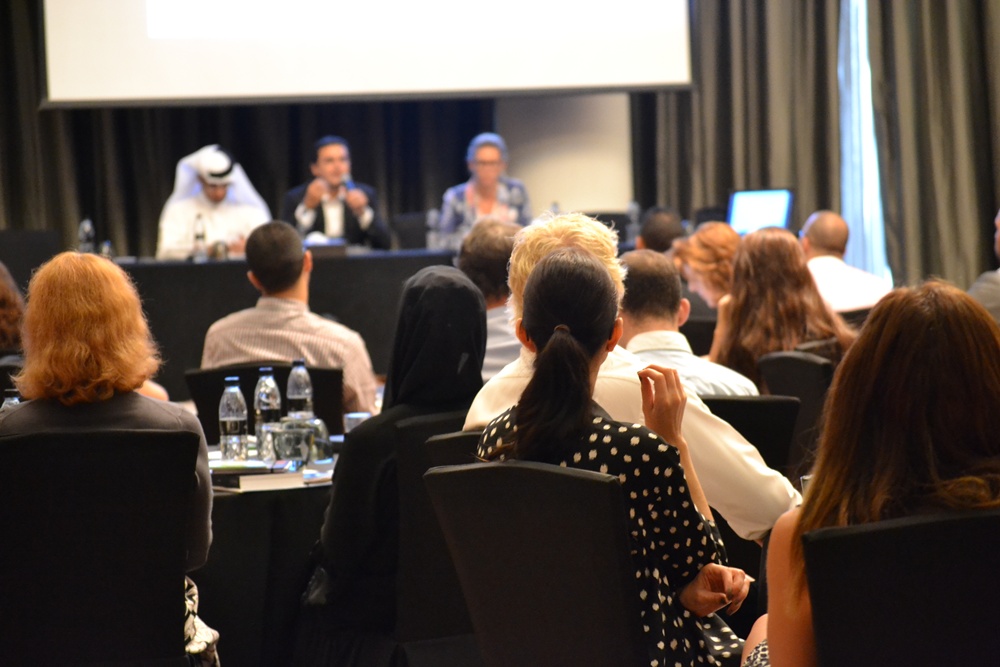
It’s not often I can say that Monday is my favourite day of the week (as Bob Geldof says, I don’t like Mondays) but this week was an exception thanks to the inaugural Social Media Forum. Arranged by the Middle East Public Relations Association, the event brought together some of the world’s largest social media names present in the Gulf including Facebook and Twitter’s local agency Connect Ads to talk shop about what’s happening in the social media world. And by the looks of it we’re addicted to social media.

The latest stats from Twitter are stunning; there’s now six and a half million active users of the social media channel in Saudi Arabia (active users are those who use their account on a daily basis), which represents a growth of 500 percent over last year’s numbers. In the UAE there’s 1.5 million users. But the highest percentage of Twitter users to a population is in Kuwait, where one in three people – one in three million – use the service on a daily basis.

While Facebook’s spokesperson didn’t reveal updated numbers about users in the Gulf region usage trends have changed thanks in part to widespread adoption of smartphones and broadband wireless networks such as 3G and 4G. The average user will check Facebook 11 times a day, up from 3 or 4 times, partly thanks to Facebook’s latest mobile applications. Sixty percent of Twitter users in the Middle East and North Africa are now using the service while watching television (the logical question would be, where are you advertisers and why are you not taking advantage of this?).

The good news would seem to be that (some) clients are now understanding social media is more than just followers, likes and retweets according to the head of analysis agency Social Eyez. One speaker at the event, the corporate communications manager for the Qatar Foundation, told the audience that a sixty hour social media activation with FC Barcelona using Twitter drove global brand awareness by upwards of 20 percent. This goal would have been unachievable with conventional media without an eight figure marketing budget. Social media has changed both marketing and communications completely, and long may our love of tweeting and posting continue in the Gulf.

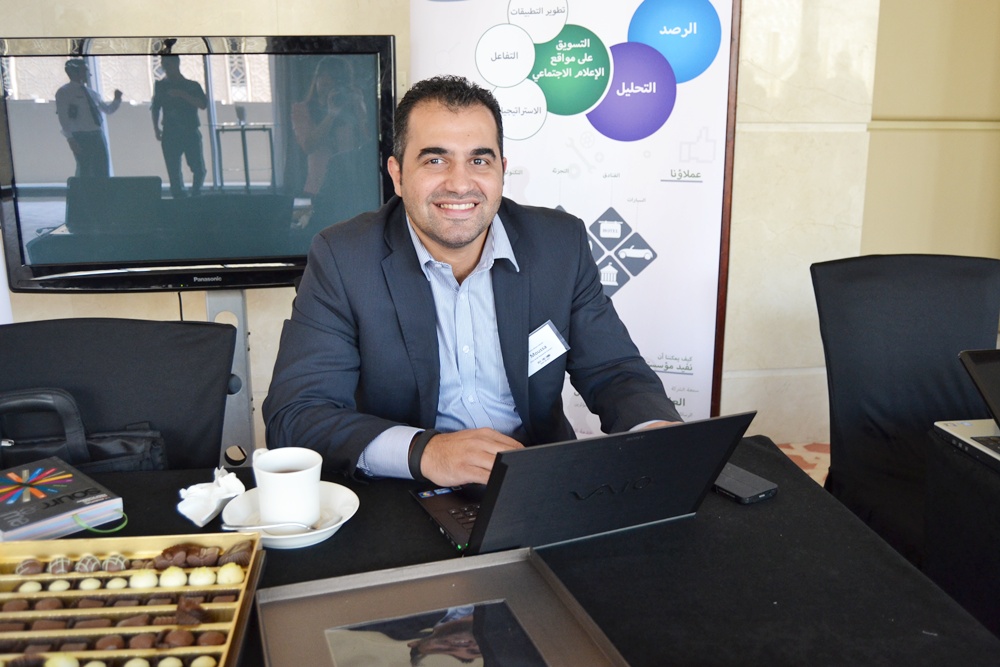
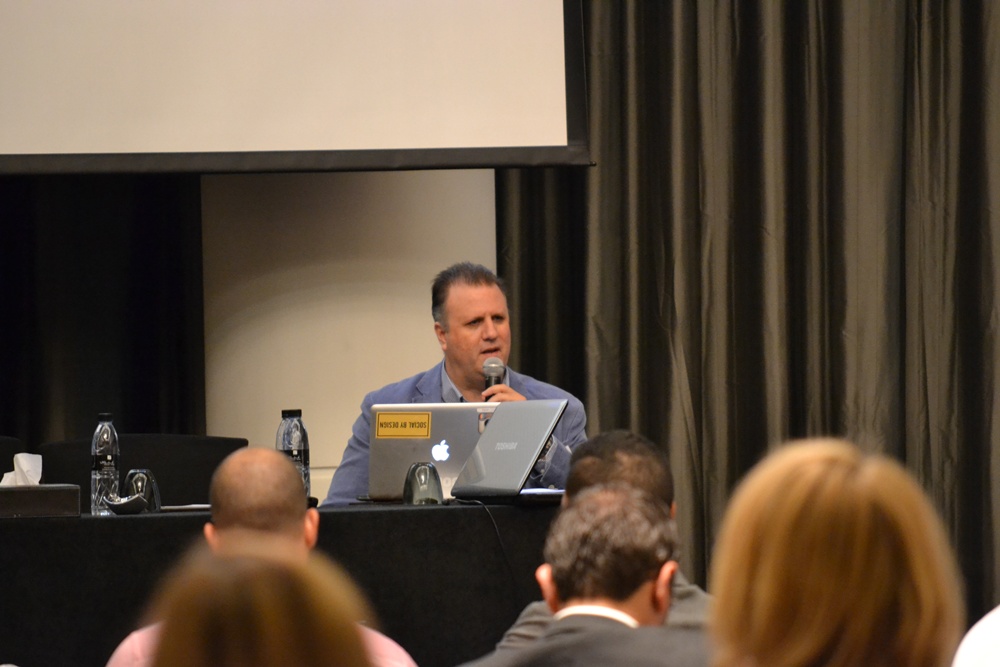
If you’re interesting in seeing the best practice presentations from the event you can download the Facebook Middle East Public Relations Association Presentation here and the Twitter Social Media Forum Presentation here. MEPRA will be holding more events on social media soon, including with the Social Media Club in Bahrain and other areas of the region. For a glimpse of the event have a peek at some of the pictures below.