Hashtag hijacking and the need for authenticity – the #EtisalatChallenge

Let’s face it, social media is entertaining. As communicators, we really do need to think through the consequences of using digital. But sometimes, the best of intentions just aren’t enough. Companies who don’t think through the reasoning behind their campaigns will face a backlash online, including derision, contempt, and abuse.

There are many examples globally of hashtag hijacking; possibly the best is McDonalds and its #McStories campaign. Fortunately for us in the Middle East, we now have our own example of how not to launch a hashtag on Twitter. A couple of days back the Abu Dhabi-based telecommunications operator launched an advertising campaign called the #EtisalatChallenge. The idea is simple enough – Etisalat challenges consumers to find offers and prices that are better than their own and they’ll match or beat that offer. You will literally see the below advert everywhere across the UAE at the moment.
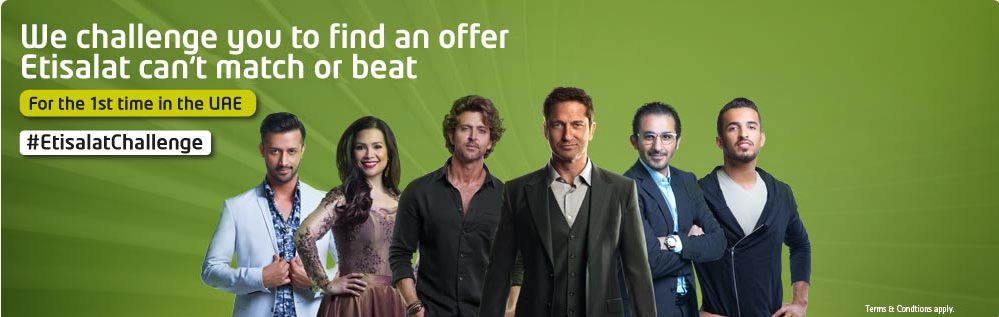
Are you ready for the #EtisalatChallenge?

Are you ready for the #EtisalatChallenge?

Now, there’s a couple of issues here. The first is pretty basic; the UAE’s telco market is a duopoly. Both operators are government-owned and there’s not much in the way of competition when compared to other. The second is Etisalat’s reputation. The company isn’t the most consumer-friendly in terms of its support. Shortly after Etisalat launched its hashtag #EtisalatChallenge (complete with a huge marketing campaign), the hashtag itself was taken over by customers complaining about high costs and poor service.

Despite the obvious backfiring of the campaign (and, as you can see from the tweets below, the campaign has been taken over by negative sentiment), Etisalat has persevered with the #EtisalatChallenge.

https://twitter.com/mkdubai/status/595950565483380736

https://twitter.com/ThatGuyNoman/status/595958586204905473

What’s even stranger is the number of bots, of Twitter accounts which are automated which have are now tweeting the same message about the campaign.

https://twitter.com/ThatGuyNoman/status/596655103928438784

The other element of the campaign which is intriguing is the number of celebrities that Etisalat has brought in. There is one of Scotland’s finest, Gerald Butler, Bollywood actor Hrithik Roshan, and Filipina actress and singer Lea Salonga. Etisalat has also paid a number of the UAE’s leading social media influencers. While the use of social media influencers to support marketing campaigns is becoming standard practice, the #EtisalatChallenge in unusual in that many of the influencers have previously worked for the UAE’s rival operator Du. Have a look below.

Emirati social media celebrity Mthayel Al Ali was a Du supporter

Emirati social media celebrity Mthayel Al Ali was a Du supporter

But now Emirati social media celebrity Mthayel Al Ali is also an Etisalat fan

But now Emirati social media celebrity Mthayel Al Ali is also an Etisalat fan

Egyptian footballer and model Sherif Fayed was part of Du's marketing before his switch to Etisalat

Egyptian footballer and model Sherif Fayed was part of Du’s marketing before his switch to Etisalat

Egyptian footballer and model Sherif Fayed is also a fan of green as he shifts to #EtisalatChallenge
Egyptian footballer and model Sherif Fayed is also a fan of green as he shifts to #EtisalatChallenge

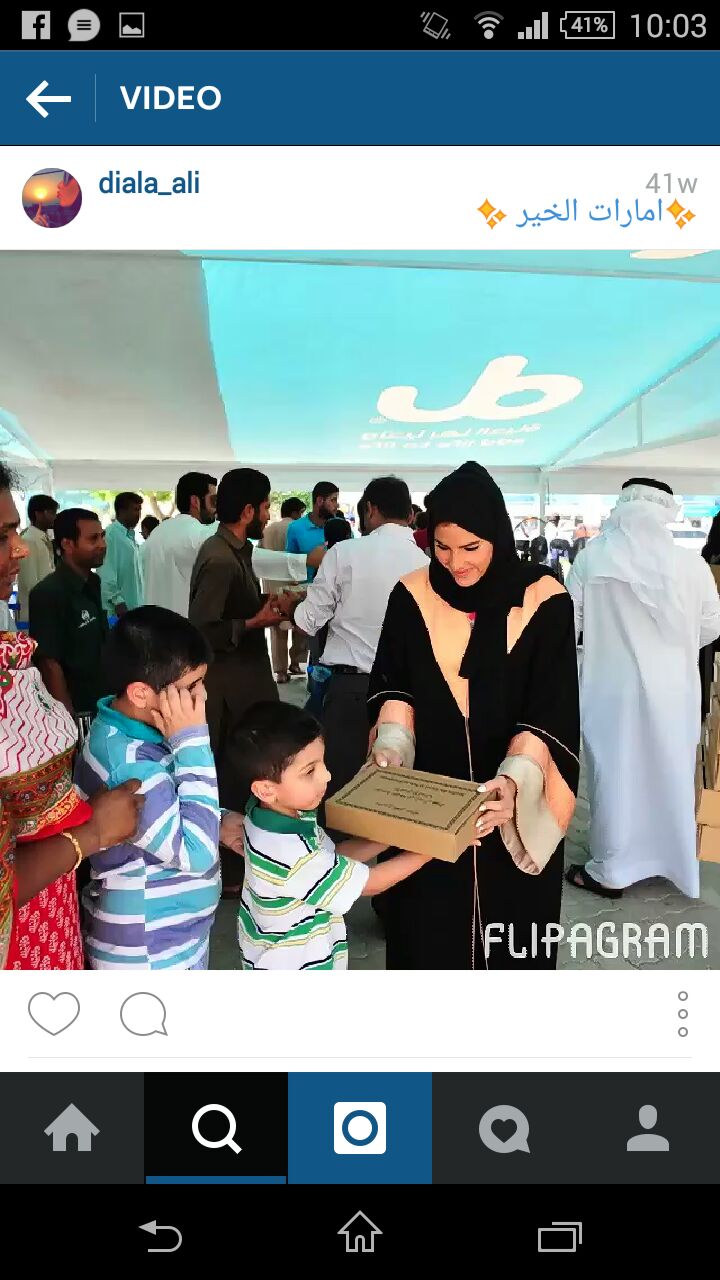
Before her support for the #EtisalatChallenge UAE media personality Diala Ali was a Du supporter.

Before her support for the #EtisalatChallenge UAE media personality Diala Ali was a Du supporter.

From blue to green - UAE media personality Diala Ali shows her support for the #Etisalat Challenge

From blue to green – UAE media personality Diala Ali shows her support for the #Etisalat Challenge

While one can easily fault Etisalat for getting out the cash and spending a fortune on social media endorsements, these online influencers are more to blame in my eyes. They’re doing their own brands more harm than good by changing from one corporate brand to the other so quickly. Their authenticity is at stake, and for someone who runs a social media agency Mthayel Al Ali should understand that authenticity matters to fans, and fans are the reason these people are paid to endorse brands. There’s little long-term thinking from influencers who have worked with Du previously and whom are now working with Etisalat.

Going beyond the pains of creating corporate hashtags (which, in this case clearly don’t work), what was Etisalat thinking? And what is it still thinking, seeing as the campaign is failing so badly? Come on, share with me your #EtisalatChallenge!

The Gulf’s new social media hybrids and the success of @maxofarabia

Living in a region which is known for diversity but which is still pervaded by barriers between all the cultures you’ll find in the Gulf, I’m fascinated by individuals who bring differing peoples together. One such person is Max, who goes by his online moniker maxofarabia. A British-American by background, Max has not only lived in the Gulf but he’s also taken the region to heart. Unlike many expats, Max has picked up Arabic and is fluent in the language (he has a strong Emirati accent).

By creating content in both English and Arabic about issues that are relevant to nationals, Max is opening up a new world for both expats as well as those outside of the region. Max prefers Instagram, but you can also find him on Twitter and Facebook (he’s also on Snapchat, but I’m way too old for that platform). His popularity among Emiratis is evident, and he regularly uploads videos about the UAE and its people to his Instagram account, where he is followed and watched by almost 190 thousand people. Max has become a social media ambassador for a number of projects in and around Dubai.

If you’re an expat and you’d like to know more about the Emirates in particular, then Max of Arabia is one to watch. Have a look at some of his posts below (apologies but Instagram’s embedding function is taking a day off today).

A good morning from Max's trip into the desert on the trails in the UAE

A good morning from Max’s trip into the desert on the trails in the UAE

Huge thanks to @hooralq for the invitation to @sharjahart - a great evening spent in one of my favorite cities, surrounded by creativity, with some of my favorite people - #Sharjah #SharjahArt

Huge thanks to @hooralq for the invitation to @sharjahart – a great evening spent in one of my favorite cities, surrounded by creativity, with some of my favorite people – #Sharjah #SharjahArt

Max even looks good in a thob - here at a wedding in Riyadh

Max even looks good in a thob – here at a wedding in Riyadh

The launch of LinkedIn Arabic – Did LinkedIn miss a messaging opportunity?

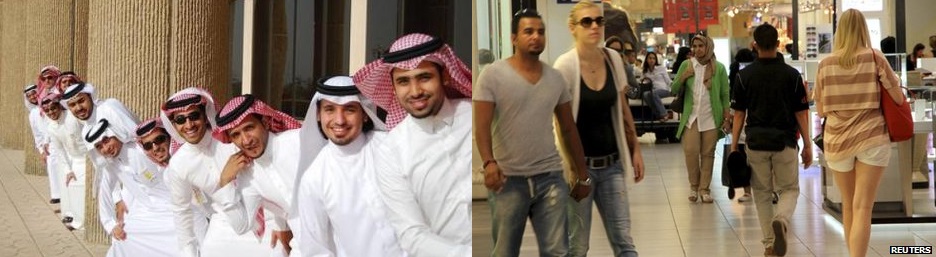
If you're going to launch in Arabic where would you choose? Dubai or Riyadh? (image source: Reuters)

If you’re going to launch in Arabic where would you choose? Dubai or Riyadh? (image source: Reuters)

I love LinkedIn. It’s possibly my favorite social media network. LinkedIn has transformed how professionals network (and get jobs) online. No recruiter could do without LinkedIn.

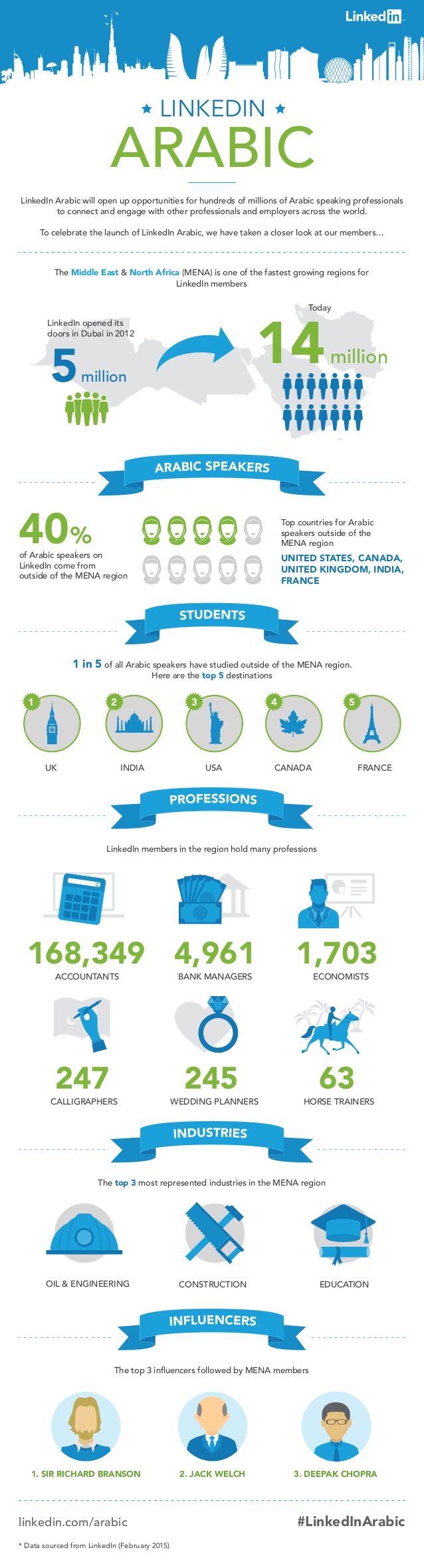
The network has grown steadily in the Middle East since it opened up an office in Dubai back in 2012. Over the past three years LinkedIn has grown its user base from five to fourteen million. The UAE is LinkenIn’s largest market with two million users according to The National. The two largest Arabic-speaking markets in the region are Egypt, with a population of just over 82 million, and Saudi.

The Kingdom is, or should be, LinkedIn’s largest potential market. Saudi doesn’t only have a sizable Arabic-speaking population (28 million and counting), but it also has the spending power. Saudi’s gross domestic product for 2013 was just under 750 billion dollars. Saudi is home to some of the region’s largest corporations, as well as a majority of the country under the age of 25. Add to the mix high internet penetration and smartphone usage, Saudi is LinkedIn’s Arabic-language market.

However, when LinkedIn launched its Arabic-language site last week the management team chose Dubai as the preferred location. There was a guest advocate, in the shape of Noura Al Kaabi, CEO of Abu Dhabi’s twofour54. Bizarrely, LinkedIn’s press materials also included a press statement from Saudi’s Minister of Labor, which was carried extensively in the Kingdom’s media (the quote in full is below and is sourced from Saudi Gazette).

Eng. Adel M. Fakeih, Saudi Arabia’s minister of labor, said: “LinkedIn has been working with us to match talent in the Kingdom with the right opportunity, and with Arabic, this benefit can be rolled-out to a much wider member base.

LinkedIn will continue to be a useful tool for us as we use technology to communicate the need for nationals to up-skill themselves and take advantage of the strong economic climate and significant job-creation in the Kingdom.

Being a part of a global network also helps youth identify the key demand areas, and build their qualifications accordingly.”

Would LinkedIn have been better served by launching Arabic in Saudi, rather than in the UAE (where it could be argued that the lingua franca is English). Would this activation have been more in line with the message that LinkedIn was trying to convey, namely that we are now in Arabic and we want Arabic speakers to use our service.

It’s a small observation, but it seems that LinkedIn missed an opportunity to push home a message through a launch that was misaligned with its target audience. Saudi isn’t the easiest country in terms of getting things right on the ground, but if you’re going to do something then, as the saying goes, if it is worth doing then do it right.

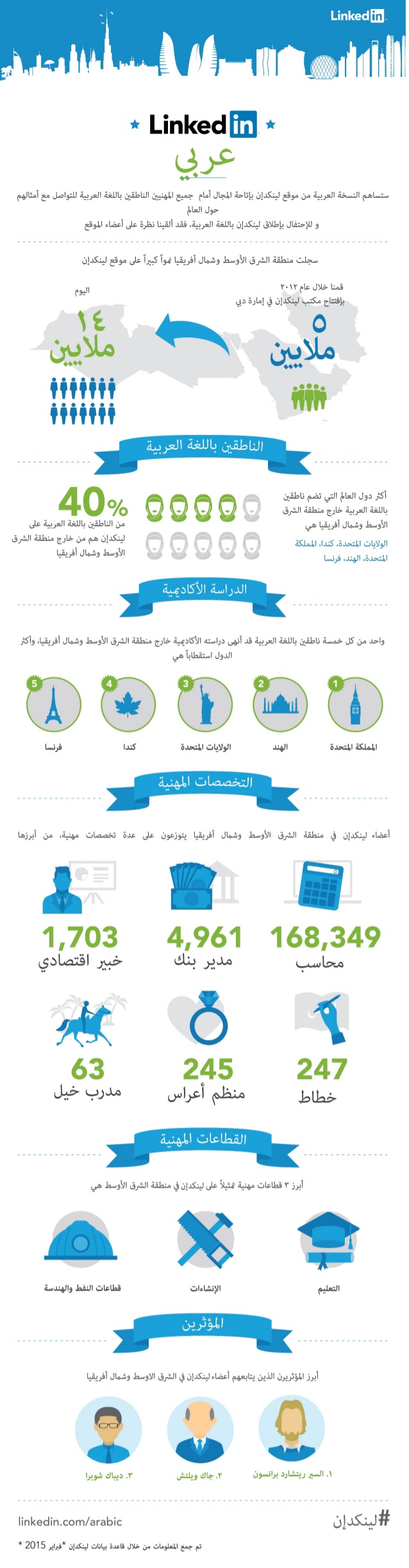
And for more details on LinkedIn in the Middle East have a look at the infographics below, which are in English and Arabic.

The curious case of the Dubai TV station which was fined for not airing an interview

Lights, camera, and no action! The Dubai-based station was found to be acting unprofessionally by a Dubai court for not showing an interview, and fined 100,000 Dirhams for its improper conduct (image source: http://www.dreamtek.wordpress.com)

Are you looking for a bizarre story to start off the year? If so, you’re in luck. Dubai’s English-language newspaper Emirates 24/7 reported on the case of a Dubai TV station which was fined over 25 thousand dollars for not airing an interview. Yes, you read it right. The station was fined by a court in the Emirate for not broadcasting a pre-recorded interview. You can read excerpts below.

A well-known guest won a court case and was compensated Dh100,000 by Dubai Court from a TV channel which did not broadcast his interview. A person sued a satellite channel after it hosted him in one of its programmes and did not broadcast the episode after broadcasting advertisement on the channel of his interview and instead broadcasting the interview of a different person.

The plaintiff said that the TV channel approached him for an interview and sent him air tickets and booked him into a hotel. It also recorded an interview with him and said that it will be broadcasted on a particular date.

The plaintiff added that on that day, the TV channel announced that the interview would be broadcasted at a particular time. However, on that time, the TV channel aired an interview with a different person and did not show his interview.

The plaintiff added that he got in touch with the TV channel and tried to find out their reason for not airing his interview, but the TV channel did not give him any answer.

He also said that he requested the TV channel to make an apology for not showing his interview, but there was no response from them.

This, according to the plaintiff, affected him and caused moral damages to him and he filed a lawsuit against the channel before the Dubai Court to compel the TV channel to pay him half-a- million dirhams.

The Dubai Court of First Instances ruled in favour of the plaintiff and that he was eligible of Dh100,000 as compensation for his subsequent psychological and moral damages.

According to Emirates 24/7 the case was reviewed by both the Court of Appeal as well as the the Court of Cassation. The Court of Cassation said in its ruling that the TV channel was guilty of misconduct, and that the station had failed to comply with professional ethics as well as the Press Code of Ethics.

The report doesn’t refer to a specific code of ethics document; in 2007 the UAE media adopted a code of conduct. However, this agreement was based on principles such as respect for the truth, freedom and integrity, fairness to all, transparency, rightful acquisition of information, accuracy in reporting, elimination or minimizing harm, especially in relation to children, credibility in reporting, and respect for personal privacy. The agreement did not seem to be a binding legal contract, and there is no mention of a scenario such as the one above in the reporting on the code of conduct.

I have to hold my hands up and say I’m dumbstruck by this news. For a legal professional to pass judgement on what is essentially a business decision by a news outlet is illogical. The channel did not breach any laws, and it is the right of any media outlet to decide what does construe and what does not construe news. The plaintiff was not out of pocket as his expenses were paid for. His only loss was his time.

The above sets a dangerous precedent for both the media and communicators in the region. While I’m all in favor of professional behaviour for journalists, I also understand and support the right of media outlets to air or publish news as they see fit. The judiciary stepping in to penalize media outlets for simply doing their job is a dangerous precedent for all of us. This is one precedent that I hope is not considered again in any repeated legislation.

First there was #MyDubai, and now we have #InAbuDhabi – Promoting a city on social media

Will #InAbuDhabi do for the capital what #MyDubai has done for Dubai’s social media presence?

There’s a saying that imitation is the sincerest form of flattery. If that’s the case, then #MyDubai, the social media campaign which was launched to give the city’s residents a way to tell their own story, now has another honor to its name in addition to the one million Instagram uploads.

Abu Dhabi has followed in the footsteps of #MyDubai and launched its own hashtag to share experiences. To quote from the Khaleej Times:

Residents and visitors to the Capital have a new platform to share their experiences and events: #inAbuDhabi.

Announced on Sunday by the Abu Dhabi Tourism and Culture Authority (TCA), the new online service is meant to promote the emirate’s culture, entertainment, heritage and hospitality both at home and abroad.

“The #inAbuDhabi campaign will be wide-reaching and rolled out across all communication channels of our visitabudhabi online resource. It will be used across social media for maximum reach and impact and will be a tool to tell the destination story locally, regionally and internationally,” said Mouza Al Shamsi, acting executive director of Marketing and Communications at TCA.

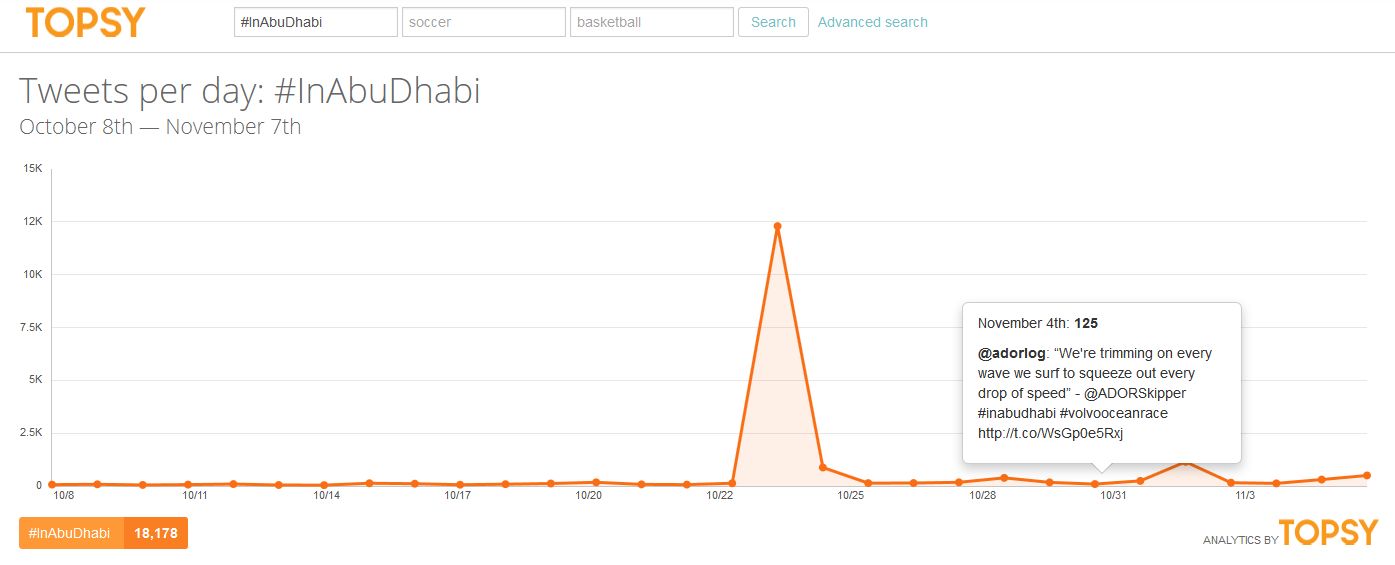
So far, so good. However, despite launching the campaign on October 20th it’s probably fair to say that the #inAbuDhabi hashtag is yet to trend among social media users. Most of the usage has been by corporate accounts related to tourism such as @VisitAbuDhabi, @AbuDhabiEvents and @EtihadAirways.

The hashtag #InAbuDhabi had a strong start but has tailed off rapidly since its launch

The hashtag #InAbuDhabi had a strong start but has tailed off rapidly since its launch

Will #InAbuDhabi become another #MyDubai? Does it have the emotional resonance with residents of the capital? Or should Abu Dhabi’s Tourism and Culture Authority not imitated Dubai and done something completely different? What do you think?

Should executives say sorry? Just Falafel’s ‘we forgot about the food’

Do you agree or disagree with what  Mohamad Bitar did, and why?

Do you agree or disagree with what Mohamad Bitar did, and why?

Should we admit when things don’t go the way we planned? It’s a tough one. Few corporates hold up their hands when plans go awry (unless there’s a crisis of biblical proportions). US-based corporates such as Walmart are now taking on media outlets to argue their point (this post from Walmart is a remarkable example of fighting back).

Even fewer company bosses in the Gulf go off track and talk from the heart. However, as with everything there are exceptions. Just Falafel is often touted as a home-grown success story, a tale of how a local brand has become global. Founded in 2007 in Abu Dhabi, the falafel-focused outlet has approximately 52 stores in 18 countries according to its website.

However, the chain isn’t to everyone’s tastes. A news story on the English-language website Arabian Business which announced the reasons for the departure of the chain’s former CEO Fadi Malas was used as a comment board by readers to explain their reasons for not liking the brand’s falafel.

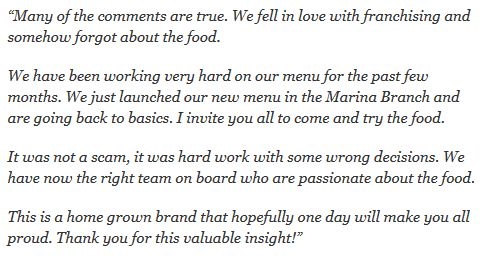
Fair enough you may say. But what followed was either inspirational or horrifying depending on which side of the open/control communications fence you’re on. The Just Falafel founder and MD, Mohamad Bitar, took to the site’s comments section to explain how the company had “forgot about the food”.

The comment as written by just Falafel's Bitar on ArabianBusiness.com

The comment as written by just Falafel’s Bitar on ArabianBusiness.com

The hacks at Arabian Business then took Bitar’s comments and span out a new story, to which readers took to explain what they believe went wrong and how Just Falafel can put it right.

For some consumers, an admission of error can be a powerful tool to reassess and re-engage with a brand. For others, it’s all about projecting an image that others can believe in, and not deviating from that message. Is Mohamad Bitar’s message a moment of genius (if we were in America, I’m sure we’d be calling his move crowd innovation), or does it signal a need for someone to crack the whip at the brand and get everyone on message?

Your thoughts?

Reputational Issues and the Pressure from Outside to Change – Will the Gulf’s Firms Be Forced to Adopt More Worker-Friendly Policies

Smile for the media! Will Gulf-based airlines be forced to change their employment practices or will they risk possible reputational damage in the face of criticism from the foreign press? (image source: http://www.nycaviation.com)

First there was Qatar and now the UAE. I’m not talking GDPs, economic growth or any other metric that a government may promote in the public spotlight. Rather, I’m talking about media criticism, notably international media criticism of worker rights.

Over the past couple of weeks a series of articles have been written, mainly by the European media, critiquing the lack of rights for employees of Qatar Airways and Emirates. The pieces, in particular a lengthy series of allegations in Swedish newspaper Expressen, have shone a light on employment practices, many of which appear distasteful to those not used to working or living in the Gulf.

The article in Expressen entitled the Truth About the Luxury of Qatar Airways details the conditions under which Qatar Airways employees have to live. The report, which can be read here, tells of strict curfew times for air hostesses and pilots, constant surveillance, and instant terminations.

Others have run similar allegations. Even locally, we’re beginning to see these articles appear in the press; Arabian Business recently ran two pieces on the HR practices of both Qatar Airways and Emirates.

With a global presence comes greater media scrutiny. Similarly, global events on your doorstep can attract negative headlines (look no further than Brazil in the run up to this year’s World Cup or even Qatar, the 2022 World Cup andthe country’s labor camps).

In a sense, I’m surprised that this hasn’t happened sooner. The region’s three big airlines are global players who aim to capture transit traffic which they shuttle through their hubs in the Gulf. Similarly, the region’s sovereign wealth funds have been snapping up brands globally for some time now, but especially in Europe where trophy assets have become a staple for SWFs in Doha and Abu Dhabi.

So, how do the airlines react? Never one to be outdone for a quote, Qatar Airways’ CEO has furiously denied all of the allegations and has instead railed at the newspapers printing the articles and called them, in effect, racist. To quote from Arabian Business:

“Like any other organisation, we terminate nonperforming employees and these are allegations made by ex-QA staff.”

“This is not against Qatar Airways but against my home country. They are throwing stones at my country for no reason at all.”

Emirates has been more low-key in their response on the claim that they mistreat female employees by firing female cabin crew who become pregnant during the first three years of their employment.

In the long-term how should the airlines respond? If they continue to deny or ignore the allegations, will they face a backlash from consumers concerned about the airlines’ reputation? What’s certain is that the headlines are not going to go away; to the contrary, the deeper you dig, the more bodies you will find. It’s going to be fascinating to see if the negative media coverage from outside the region eventually forces a change in worker policies.

This is one theme I’m going to be following with increasing interest.

It’s not me, it’s you – Who Censored the Wolf of Wall Street?

Want swearing, sex and other obscene moments in your film? Then you’re best heading to Beirut (image source: http://www.huffingtonpost.com)

I’m a very nostalgic person. I remember the good old days when the internet was all about dots and beeps, when a gourmet burger could be found in a Happy Meal and when newspapers came with columns inked out by a black marker. Censorship isn’t a foreign concept to the Gulf region. Be it television, printed media or, more recently, the internet, censorship is a given. I sometimes wondered about the rooms of employees who’d be sitting in a room reading over the foreign papers with their thick, fat marker pens ready and eager to put market to paper on a large section of the paper.

Rarely do we hear from those people behind the censorship. However, the past couple of days have thrown a light on the world of censorship in the region. The latest Martin Scorsese film, The Wolf of Wall Street, is a tale of financial excesses with an over-excessive use of expletives, sex, drugs and other naughty things. It’s not surprising that such a film may cause flutters, especially in a conservative part of the world. While most of the country’s cinema-goers would have expected cuts here and there, the film ended up losing 45 minutes from its three-hour running time.

Local media reported on the incident, including a wonderful piece by Rory Jones, the UAE-based correspondent for the Wall Street Journal. As the piece is so fun I’m going to quote directly from Mr Jones.

Whole scenes were taken out of the Martin Scorsese-directed movie, including a particularly raucous trip to Las Vegas that included a plane full of prostitutes. The F-word has also been removed where possible, creating an almost constant jerking of the screen as one frame has been spliced into another.

Somewhat understandably, film-goers in the U.A.E. have taken to social media to vent their anger over the cuts, warning others not to see the film as most cinemas are not making viewers aware of the level of censorship.

As Mr Jones and others such as Gulf News’ tabloid! have pointed out, cinema releases are supposed to be censored by the National Media Council. In this case, the NMC has pointed the finger at the film’s distributor, Gulf Film. Why the distributor would want to annoy cinema-goers to the point that they tell others not to see the film and demand refunds from the cinema firms is beyond me. Gulf Film haven’t commented. One official from the NMC did speak however and here’s what he told tabloid!:

Juma Obaid Al Leem, director of the Media Content Tracking Department at the NMC told tabloid! the cuts were made even before it came under their review.

“We didn’t touch the film. The distributor already made the cut [when it came to us]. When we asked the distributors, they said they cut all those scenes and words, because they want to distribute the film in GCC,” he said.

Al Leem added that, following complaints from moviegoers, the NMC has instructed distributors to leave the editing to them.

“[We have told them] next time, don’t touch the film. We will make the cuts. We will decide. Maybe some scenes will be accepted. Don’t make any cut outside till they bring the full film and we will decide about the film,” he said. “We told them very clearly.”

Ironically, the film has been released in its entirety in Lebanon. It seems that nothing can offend the Lebanese cinema-goer, not even the Wolf of Wall Street. As for the UAE, we’ll have to put up with only two-thirds of a film. A wolf in sheep’s clothing anyone?

Make a New Year’s Resolution for your company and go volunteer in 2014

Volunteering will benefit you, your employees and your business more than you may imagine (image source - www.zmetravel.com)

Volunteering will benefit you, your employees and your business more than you may imagine (image source – http://www.zmetravel.com)

You’re finished with the festive period, the time of year when we have a tendency to overindulge. Now, having seen in the new year, most of us will have made a number of resolutions for our own betterment. But if you’re thinking of a way to make a difference in 2014, why not take a step forward and make a resolution for your company and community?

The concept of corporate social responsibility (CSR) is gaining a foothold among businesses across the region and one method that all businesses, both large and small, can adopt is to volunteer their time to support local charitable organisations.

There’s a misconception among business owners that volunteering or other forms of CSR is the preserve of large corporations. Nothing could be further from the truth. Giving back by donating your time and expertise to your community can be beneficial to you, your staff and business for many reasons. Not only can volunteering help your community and create a shared sense of achievement among your employees, but giving back can even help your business grow in way that you may not expect. Here’s how:

Volunteering can broaden your experience

Volunteering provides an opportunity to work on something different, with new people in a new place for a new cause. The experiences are not only personally rewarding, but you may and your staff will develop new skills and thinking from the not-for-profit sector that may benefit your own business. When you volunteer for the right reasons to give back to the community, you’ll not only develop new perspectives but you’ll also become more of an empathetic, well-rounded leader and be able to bring these skills and experiences back to bear on your own goals and those of your business.

Your employee morale will improve

Giving to the community has significant benefits for employee satisfaction. Studies by London in 2010 found that 94 per cent of companies had found that volunteering positively impacted employee morale. Volunteering allows your staff to give back to their communities, learn new skills and participate in causes that many of them may passionately believe in, such as the environment, good health and childcare. Volunteering has been found to boost employee health as well as their morale.

Doing well is good for your business reputation too

As a business owner, no one will know better than you that your actions impact your business reputation. Giving back to the local community will have positive effect on your brand. The more that you become part of your local community, the faster your reputation as a business that cares will grow. Volunteering helps your company show that you are empathetic and that you do understand the needs and concerns of local communities.

Develop new relationships and strengthen existing ones

There’s no better way to develop and maintain good relationships than working together with others for a good cause. Getting out there and volunteering will enable you to meet new people who you may not otherwise meet. Even if these relationships don’t initially seem relevant to you and your business, the power of networking will mean that you’ll have a group of individuals outside of your usual business circles to consult with and give you different perspectives.

If you haven’t ever volunteered before and don’t know where to start, there are a number of organisations and bodies that can advise you. For companies based in Dubai, the best place to start is the Dubai Chamber of Commerce and its Engage team that already has a strong connection with most of Dubai’s charitable organisations. The Engage team may be able to point you and your business in the right direction as to how and where to start. The Dubai Chamber of Commerce and the Engage team can be reached at responsiblebusiness@dubaichamber.com.

For companies in Abu Dhabi, the Abu Dhabi Sustainability Group is a governmental organisation that promotes sustainability best practises and would be best placed to provide similar advice as to where to start in the UAE’s capital. You can contact them at contact@adsg.ae.

For business owners in Saudi Arabia, your best resource may be the Ministry of Social Affairs, which has a database of all locally registered charities in the kingdom. The ministry has offices in most of the kingdom’s cities, so do check out its website at http://www.mosa.gov.sa.

Volunteering doesn’t have to take a tremendous amount of time or energy and yet giving back can be one of the most rewarding things you do over 2014 for yourself and your employees. Get started today and make a difference not only to yourself, but to your local community as well.

This piece was first published on the Kipp Report.