
How the World’s Media was Pranked by Paris Hilton, Ramez Galal and that Plane Crash Stunt

Was Paris in on the prank? Or did she have no idea what was going on?

Was Paris in on the prank? Or did she have no idea what was going on?

If you’ve been catching some television in between fasting, praying, breaking the fast, and trying to work during the holy month of Ramadan, you may have come across a series on MBC One channel called Ramez Wakel Al Jaw (quite literally Ramez eats the air). The idea behind the show is simple – take up a celebrity in a scenic flight above Dubai, pretend that the plane is going down, and film the ensuing chaos. Each show, which is aired on a daily basis, would feature a different celebrity.

The big draw for the show, which is only being aired during Ramadan (which is essentially the prime time for TV viewership in the Middle East), was Paris Hilton, the hotel chain heiress and Hollywood socialite. Paris was the only non-Arab celebrity to be featured on the show, and she was used extensively in the ad campaign leading up to the show’s launch (in fact, she was the only celebrity to be featured in the aforementioned ads).

Now, we come to the Paris episode itself. To quote from the UAE’s English-language The National:

It began last Sunday when Hilton’s episode was broadcast as part of Galal’s latest MBC ­comedy series.

The set-up involved the stars boarding a light plane for a leisurely, aerial tour over the emirate, only for the situation to escalate — or should we say, descend — into terror: the aircraft suddenly nosedived after a simulated technical failure. The video clip, which went viral after it was uploaded on YouTube, shows Hilton getting anxious, then panicking as skydivers masquerading as passengers open the cabin door and leap out.

Only after the plane returned to the ground was the celebrity told the truth. Taking it surprisingly well, a shaky Hilton goes on to praise Galal for “taking it to the next level. I have seen Punk’d [American prank reality show hosted by Ashton Kutcher] but you have taken me on a plane and nearly killed me”.

For a more visual explanation, CNN’s report sums up the story wonderfully.

Paris’ response to the episode being aired was swift. She intended to sue, according to TMZ.com which broke the news.

Paris Hilton is telling business associates … she will sue the people responsible for putting her on a plane that appeared to be in crash mode … just to get a rise out of her.

We’re told Paris is furious over the stunt … in which a TV crew got the pilot to pretend to shut down the engines in her plane, and then nose-dive to the ground. Paris says she was in mortal fear for her life … something the video pretty clearly shows.

Our sources say she’s “totally freaked out” over flying anywhere … something she’s required to constantly do. She’s already called her lawyers to find out who’s responsible, and they told her she has a solid case for emotional distress.

Paris tells them she had absolutely no clue this was a prank … she wasn’t in on it. She also doesn’t believe anyone in her camp was involved.

The episode and the reaction of Paris to sue Ramez Galal made headlines the world over, despite no one outside of the region having heard of the show. The idea of a global celebrity having been pranked in such an abhorrent stunt with her life seemingly at risk was enough to garner hundreds of pages worth of media attention.

But if we step back a moment, let’s talk through what happened and why this was obviously planned from the get-go:

1) The timings – the show was pre-shot; in other words, it wasn’t live. Paris was used extensively to promote the show, and one would have thought that Paris would have looked to sue immediately after her episode was shot several weeks before Ramadan. This wasn’t the case.
2) The payment – no celebrity worth their salt does anything for free, and Paris is no different. If you want her, you have to pay. If TMZ.com is to be believed, Paris was apparently paid over a million dollars to take part in the stunt. She’d have known beforehand what was going to happen. Nevertheless, she pulls off the acting (unlike in her movie roles).
3) The publicity – both Paris and Ramez benefited from the media coverage of the show. Paris comes off as someone we can feel for and empathize with, which isn’t usually the case. And Ramez gets global coverage for the show which boosts the ratings, and for himself. The threat to sue amplifies the media coverage.

The question is, who got scammed? Paris, the viewers or the media? No matter what, everyone seems to have been entertained.

In the irony of ironies, a SkyDive Dubai plane crash-landed in the desert this week. The incident, which closely resembled the prank scenario, was widely reported by the media.

This emergency landing wasn’t a prank…

Whilst there were fortunately no injuries, none of the media made the connection between Ramez Galal and his show, which is based at SkyDive Dubai’s site, and the plane coming down in a similar scenario. It’s just as well for Ramez – one lawsuit is more than enough this Ramadan. But you tell me, is life imitating art, or is art imitating life?

Not the headline one hopes for – Migrant workers, ‘trespassing’, and Qatar’s BBC own goal

A communicator’s job (or part of at the very least) is to generate headlines. Preferably favorable headlines. But even the best of intentions can often come undone.

It’s an understatement to say that Qatar has been under the microscope recently. The country, with a population of just over a million (both nationals and expats) and hundreds of billions of dollars of gas reserves, has often strived to make its mark on the global stage. One such project is the news station Al-Jazeera, which has revolutionized media in the Middle East and beyond.

Qatar’s World Cup bid and subsequent win hasn’t been the success the country may have hoped for however. Ever since Qatar was awarded the 2022 World Cup by FIFA, it has been subject to criticism by international NGOs about a host of issues ranging from the rights of homosexuals to labor rights.

The biggest concern has been the living conditions of low-income workers, specifically those people who are building the infrastructure for the World Cup.

To their credit (or maybe because there’s little other choice afforded to them), the Qatari government has tried to tackle allegations of poor treatment of migrant workers head on. They have announced new legislation to penalize companies who do not pay workers on time and an amendment to the national labor law to facilitate the payment of workers through direct bank deposits.

Qatar has also been keen to promote the new migrant labor villages that the government has built. As part of its media efforts, the country’s Labor Ministry invited global media last week to view this new accomodation and meet the country’s Labor Minister to talk about Qatar’s push to promote labor rights.

However, things didn’t go quite as expected. I’ll quote from the Guardian below.

A four-strong BBC crew had been invited by the prime minister’s office on an official tour designed to show off new accommodation for migrant labourers, but were arrested by the security services while trying to gather additional material. They were interrogated and jailed for two days, before being released without charge.

The visit was part of a public relations drive, partly overseen by London-based agency Portland, in the wake of an international outcry over the slave-like conditions for workers exposed by a Guardian investigation in September 2013.

Rather than the story being the improvements in living conditions for Qatar’s migrant workers, the headline on the BBC (which was carried across the globe) was BBC team arrested, and held for several days.

It went from bad to worse for Qatar when Qatar’s communications chief explained that the BBC team had been arrested for ‘trespassing’. Again, to quote from The Guardian.

The Qatari government’s head of communications, Saif al-Thani, said the BBC crew were arrested after departing from an official tour. He said: “We gave the reporters free rein to interview whomever they chose and to roam unaccompanied in the labour villages.

“Perhaps anticipating that the government would not provide this sort of access, the BBC crew decided to do their own site visits and interviews in the days leading up to the planned tour. In doing so, they trespassed on private property, which is against the law in Qatar just as it is in most countries. Security forces were called and the BBC crew was detained.”

The challenge organizations often face is how to ensure that the same message is conveyed across the entirety of the organization. It’s obvious that in Qatar there were differences of opinion which led to the BBC crew being tailed by the security forces once they’d entered the country and to their arrest while doing their job.

The question now for Qatar is how do they go on from here and get the message right, across all of the country’s government and leadership? The media scrutiny is only going to get even more intense, the closer we get to the 2022 World Cup. I’ll continue to watch this story and how it unfolds in the media.

When is a brand-celebrity engagement toxic? The Etihad and Landmark stories

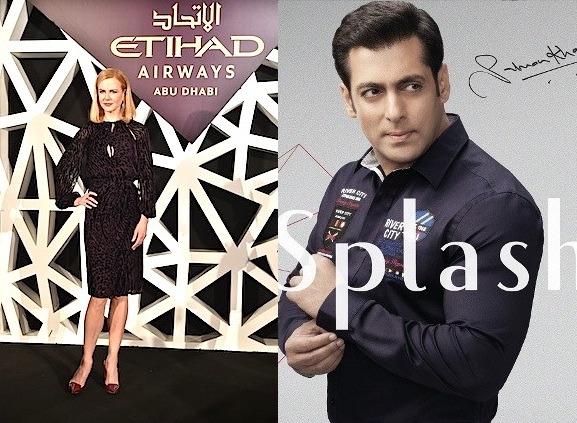
Have brand associations between Kidman and Etihad and Khan and Splash helped or hindered their respective brands?

Have brand associations between Kidman and Etihad and Khan and Splash helped or hindered their respective brands?

We just love celebrity endorsements. They’re useful for building brand equity, for improving ad recall, they convey celebrity status to the brand, and help brands stand out from the pack. When done right, celebrity engagements work wonders for the brand. Think Michael Jordan and Nike or Beyonce and Pepsi.

And then there’s what we do in the Middle East, specifically the Gulf. I’ve had a number of views come my way, particularly in relation to two deals which were done recently. The first is for the Abu Dhabi-based airline Etihad. In March Etihad signed up Hollywood actress Nicole Kidman to front up its latest advertising push which focused on Etihad’s redefinition of luxury travel. You can see the video below.

A global name, Kidman is Etihad’s fourth brand ambassador from Australia (can you name the other three, or the airline’s one Frenchman and German sports stars?). The discussion comes in around Etihad’s customer groups and how much the airline’s brand ambassadors actually resonate with these groups. Despite being Abu Dhabi-based and owned by the UAE’s capital, Etihad doesn’t have a single Arabic-speaking or Arab national as a brand ambassador. It’s hard to know how much Kidman would resonate with audiences in the Gulf, but Etihad hasn’t done much to find and leverage off brand ambassadors who’d appeal to Arabs in and around the Gulf (particularly those who are likely to travel in first class).

For Kidman, the association with Etihad has brought its own risks. Just a couple of weeks after the deal with Etihad, Kidman was criticized by a flight attendants’ union, the Association of Professional Flight Attendants, following her appearance in an advert for an airline it claims treats female employees “deplorably” and operates using “discriminatory labour practices”.

While there’s always a risk of being targeted, and criticized, by a specific interest group as in the case of Kidman, there’s even more risk to a brand’s equity when a celebrity misbehaves (think Tiger Woods and affairs with adult film stars) or does something which consumers may consider to be unethical.

One such example is Bollywood filmstar Salman Khan. Khan, who is an A-list film star in India, is the face of Dubai-based clothing retailer Splash. However, over the past week Khan was found guilty of committing manslaughter in a hit-and-run accident back in 2002 (Khan was allegedly drunk and lost control of his car, which slammed into a group of homeless people sleeping on a pavement).

The editor of Arabian Business, Anil Bhoyrul, penned a strongly-worded opinion piece on the issue only this week. The piece has gone on to become one of the most commented-on pieces in the history of the online news portal.

On a roll, Arabian Business published a piece about a public backlash against Splash for their support of Khan. You can read excerpts below.

Dubai-based Landmark Group is facing a public backlash, after the CEO of one of its leading brands described convicted Bollywood killer Salman Khan as a “great man.”

Bollywood star Salman Khan, who is a brand ambassador for Splash, was sentenced to five years in jail after being found guilty of killing a homeless man while driving under the influence of alcohol. He is currently on bail pending an appeal.

Khan was appointed as a brand ambassador for Splash in 2013, and is currently featured in a number of advertising campaigns for the retailer’s products. His face appears in several large billboards across Dubai, promoting clothing ranges.

But despite the conviction, Splash CEO Raza Beig said last week: “At Splash we love Salman Khan and we will support him through every up & down. My heart breaks to find out about the verdict but as they say every great man in history has gone through some struggle to achieve greater heights so probably this is his calling. We cannot comment on the judgement and do not believe he deserves it but Allah’s will it is.”

Will this brand association and the support of Splash’s CEO for Khan turn toxic and lead to a public boycott? What’s certain is that the Splash brand will not be helped by the current association with Khan, and the CEO’s stance would appear to be at odds with the opinion of many Splash customers. There is one truth all brands need to bear in mind – the consumer is boss. What matters is not what is important to us as people who manage the brand(s), but rather what is important to them.

What do you think of these celebrity endorsements? Are they flying high or are they a damp squib (excuse the puns). Share your thoughts. I’d love to hear from you.

The Dabo-Edelman deal and what it means for the Gulf’s communications industry

What does the Dabo-Edelman deal mean for the region's PR industry?

What does the Dabo-Edelman deal mean for the region’s PR industry?

It’s rare to see any big changes, any mergers and acquisitions, in the region’s public relations sector. The region, especially Dubai, is the home for hundreds of PR agencies and communications consultants. But every now and then a piece of news shakes up the status-quo. The last big acquisition of a Dubai-based agency was in 2008, when Grayling Huntsworth acquired its regional partner Momentum.

Edelman, the world’s largest independent communications agency with 5,000 plus employees and 2014 revenues of 780 million dollars, announced last month that it would acquire Dabo & Co. Founded by sisters Camilla and Lucy d’Abo, the agency has around 65 staff and its clients have included the likes of BMW, Unilever, Canon, DHL, HSBC, Hilton Worldwide, Qantas, Nokia and Rolls-Royce.

The media coverage has focused on what Dabo brings to Edelman. Here’s what Matthew Harrington, global chief operating officer, Edelman, was quoted as saying.

“Globally Edelman looks to invest in firms that are committed to reshaping the focus of the communications marketing industry, and Dabo & Co demonstrates this vision through its highly creative, client-centric approach. As the industry develops in the Middle East, this partnership will position us to create engaging and innovative communications programs that support our clients’ needs.”

For Dabo, the acquisition is the next step in their development. The agency has done a number of things which have set it apart from other regional agencies:

1) The investment in local talent – Dabo has focused on developing the skills of its staff, including everything from regular opt-in lunch and learns to offsites for the whole agency. Dabo does more than this, and provides young, talented executives with the opportunity to stretch their abilities. They’ve had one MEPRA young communicator of the year, Jamal Al Mawed, and another who was the runner-up last year, Rijosh Joseph.

2) Self-promotion – Despite us being in the business of communications, PR agencies are not well-known for promoting their successes. Dabo has bucked this trend and has focused on showcasing its successes through awards and nominations. The agency has won MEPRA, Dubai Lynx, and Campaign ME awards for its communications work, as well as other recognitions such as Great Place to Work.

3) Full-service provision – Dabo was quick to spot the opportunity presented by working with clients to offer a range of services including both digital and events thus making themselves a one-stop shop for all of their clients’ communications needs.

What I’m still trying to understand is what this will bring to the table for Edelman. This isn’t a case of Edelman entering the market – they’ve been in the UAE for a number of years with some high-profile accounts such as Mubadala. Plus, Dabo is UAE-based and so won’t give Edelman a foothold in new geographies. However, the argument being made in the media is that Dabo will allow Edelman to expand its consumer reach – Dabo’s clients are primarily B2C brands which are household names. But again, Edelman globally works with the likes of Unilever, Starbucks, Samsung, and Johnson & Johnson. Has Edelman under-delivered on its business potential in the Middle East to date?

It’ll be interesting to see how this pans out for both agencies. Dabo are the rising star, and they’re an example of how those with experience in the industry and some regional know-how can establish an agency in an already-crowded market that will grow and be successful. As for Edelman, will Dabo give them the momentum they need to become one of the top three agencies in the Middle East? I can’t wait to find out!

Hashtag hijacking and the need for authenticity – the #EtisalatChallenge

Let’s face it, social media is entertaining. As communicators, we really do need to think through the consequences of using digital. But sometimes, the best of intentions just aren’t enough. Companies who don’t think through the reasoning behind their campaigns will face a backlash online, including derision, contempt, and abuse.

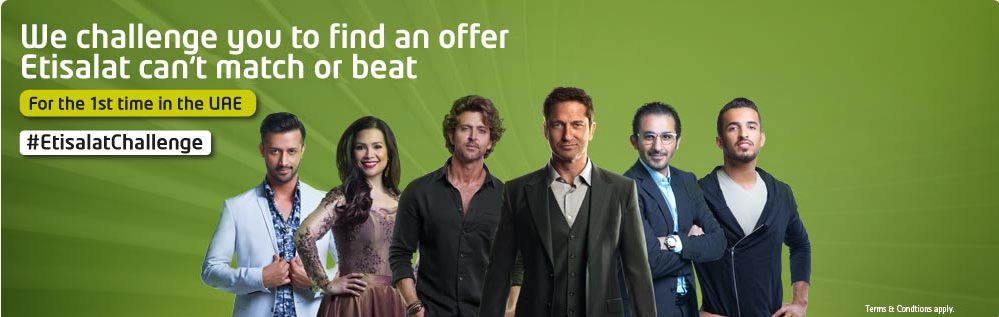
There are many examples globally of hashtag hijacking; possibly the best is McDonalds and its #McStories campaign. Fortunately for us in the Middle East, we now have our own example of how not to launch a hashtag on Twitter. A couple of days back the Abu Dhabi-based telecommunications operator launched an advertising campaign called the #EtisalatChallenge. The idea is simple enough – Etisalat challenges consumers to find offers and prices that are better than their own and they’ll match or beat that offer. You will literally see the below advert everywhere across the UAE at the moment.

Are you ready for the #EtisalatChallenge?

Are you ready for the #EtisalatChallenge?

Now, there’s a couple of issues here. The first is pretty basic; the UAE’s telco market is a duopoly. Both operators are government-owned and there’s not much in the way of competition when compared to other. The second is Etisalat’s reputation. The company isn’t the most consumer-friendly in terms of its support. Shortly after Etisalat launched its hashtag #EtisalatChallenge (complete with a huge marketing campaign), the hashtag itself was taken over by customers complaining about high costs and poor service.

Despite the obvious backfiring of the campaign (and, as you can see from the tweets below, the campaign has been taken over by negative sentiment), Etisalat has persevered with the #EtisalatChallenge.

https://twitter.com/mkdubai/status/595950565483380736

https://twitter.com/ThatGuyNoman/status/595958586204905473

What’s even stranger is the number of bots, of Twitter accounts which are automated which have are now tweeting the same message about the campaign.

https://twitter.com/ThatGuyNoman/status/596655103928438784

The other element of the campaign which is intriguing is the number of celebrities that Etisalat has brought in. There is one of Scotland’s finest, Gerald Butler, Bollywood actor Hrithik Roshan, and Filipina actress and singer Lea Salonga. Etisalat has also paid a number of the UAE’s leading social media influencers. While the use of social media influencers to support marketing campaigns is becoming standard practice, the #EtisalatChallenge in unusual in that many of the influencers have previously worked for the UAE’s rival operator Du. Have a look below.

Emirati social media celebrity Mthayel Al Ali was a Du supporter

Emirati social media celebrity Mthayel Al Ali was a Du supporter

But now Emirati social media celebrity Mthayel Al Ali is also an Etisalat fan

But now Emirati social media celebrity Mthayel Al Ali is also an Etisalat fan

Egyptian footballer and model Sherif Fayed was part of Du's marketing before his switch to Etisalat

Egyptian footballer and model Sherif Fayed was part of Du’s marketing before his switch to Etisalat

Egyptian footballer and model Sherif Fayed is also a fan of green as he shifts to #EtisalatChallenge

Egyptian footballer and model Sherif Fayed is also a fan of green as he shifts to #EtisalatChallenge

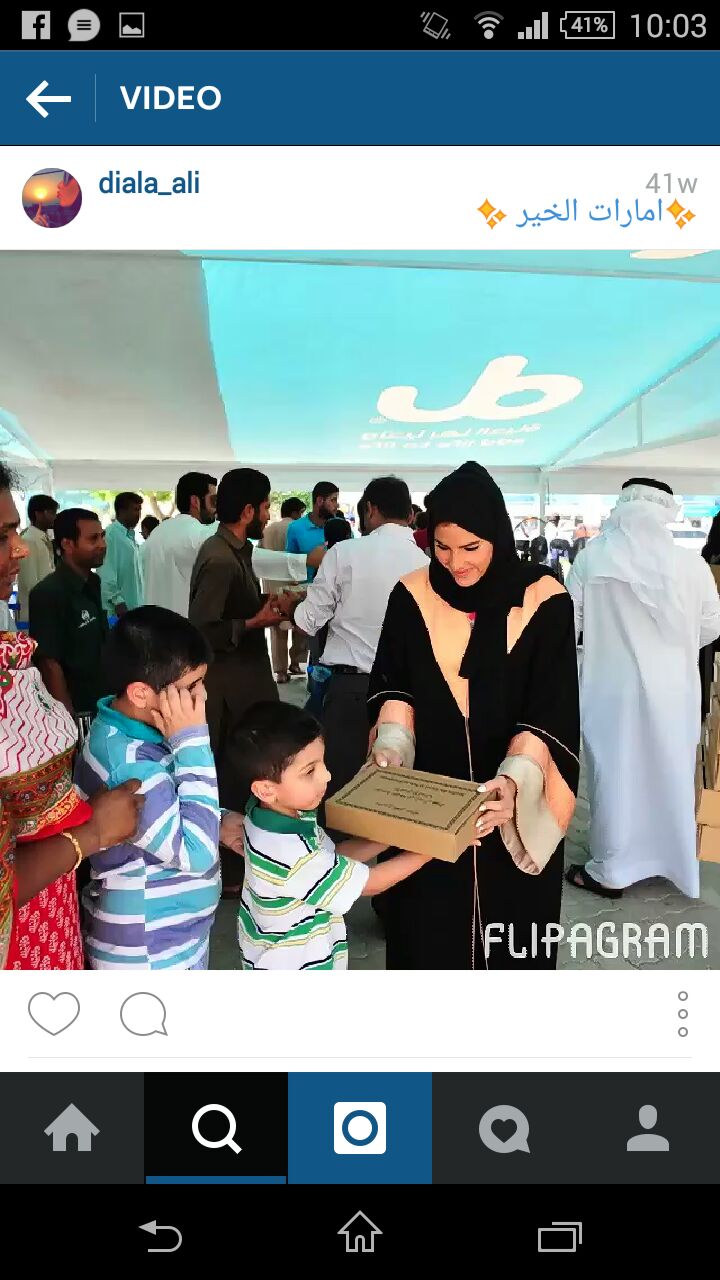
Before her support for the #EtisalatChallenge UAE media personality Diala Ali was a Du supporter.

Before her support for the #EtisalatChallenge UAE media personality Diala Ali was a Du supporter.

From blue to green - UAE media personality Diala Ali shows her support for the #Etisalat Challenge

From blue to green – UAE media personality Diala Ali shows her support for the #Etisalat Challenge

While one can easily fault Etisalat for getting out the cash and spending a fortune on social media endorsements, these online influencers are more to blame in my eyes. They’re doing their own brands more harm than good by changing from one corporate brand to the other so quickly. Their authenticity is at stake, and for someone who runs a social media agency Mthayel Al Ali should understand that authenticity matters to fans, and fans are the reason these people are paid to endorse brands. There’s little long-term thinking from influencers who have worked with Du previously and whom are now working with Etisalat.

Going beyond the pains of creating corporate hashtags (which, in this case clearly don’t work), what was Etisalat thinking? And what is it still thinking, seeing as the campaign is failing so badly? Come on, share with me your #EtisalatChallenge!

Did Skydive Dubai do enough communications following the tragic death of skydiver Majed Al Shuaiby?

There are days I love my job as a communicator. And then there are days when my heart breaks. One of those days was last week, with the tragic news of a death at Skydive Dubai. Majed Al Shuaiby was an experienced skydiver – he had over 700 dives under his belt according to the local media. On April the 30th Majed took to the skies. Unfortunately, his parachute did not open and he died on impact.

This news, as sad as it is, is also newsworthy. We have a young man, who is only 35 years old, who perished whilst undertaking a sport which is often thought of as high risk. The accident made the news, with coverage nationally and regionally (Majed was a Saudi national). Unsurprisingly, the news first appeared on social media, on the evening of the 30th, the day of the accident.

In a tribute Majed’s name trended on Twitter in Saudi with the hashtag #ماجد_الشعيبي.

Many of those who were online and who knew of the accident started to reach out to Skydive Dubai. The initial reaction was, to put it mildly, disappointing.

https://twitter.com/ammorsy/status/593784283237457921

What Skydive Dubai did, a day after the accident, was put up a post on its Facebook Desert Campus page and push users there. There’s no separate post on Skydive Dubai’s main Facebook page and no posts on Twitter.

The holding statement above has been used for media attribution as well, as can be seen from The National’s story.

Was the statement from Skydive Dubai enough or could they have done more?

Was the statement from Skydive Dubai enough or could they have done more?

While the investigation is still under way to determine what happened, could Skydive Dubai have done more to publicly address the incident and offer their condolences to the family, whilst also addressing concerns around the safety of skydiving?

No one wants to go through a crisis, especially when people are injured or there’s a fatality. However, we as communicators are on the front line to advise our employers and communicate in a way that is respectful, that comforts, and that shows we are also human. As we say, perception is reality and Skydive Dubai’s initial response, to block users, would seem entirely at odds with what communicators should do in a crisis. Going beyond that, is a holding statement enough? We need to present both the facts and show our emotion. We should never simply ignore bad news, and block conversations. Could Skydive Dubai have done more? Do let me know your thoughts.

On a final note, I’d like to convey my condolences to Majed’s family. Allah yurhamu and may god bless his soul.

The Gulf’s Communications Sector and the Challenge for Authenticity

Is the communications industry in the Gulf authentic enough?

Is the communications industry in the Gulf authentic enough?

I am, sometimes, allowed to get out by my better half. And this month has been replete with communications events. Two in particular come to mind. The first was an anniversary for a well-known communications consultancy firm which was celebrating a milestone for its UAE-based operations. The second was for a social media network which was talking about the largest advertising period in the region, namely Ramadan.

Both events struck me, but probably for the reasons that the organizers hadn’t intended for. At the first event, for the consultancy anniversary, I’d have expected to have seen a couple of nationals. After all, a number of the company’s clients were government bodies and we were in the capital where the ratio of nationals is much higher than in Dubai. But, unfortunately, there was only one national. Instead, the audience was western, English-speaking and middle-aged.

The second event was just as perplexing. Despite Ramadan being a part of Islam (Ramadan is the Islamic month of fasting), I didn’t see a single Arab or Muslim talk about the event. At both events I was left asking myself, where are the personal insights, where’s the local understanding which I can either learn from or relate to?

In truth, these occasions are a microcosm of the communications and marketing industry in the Gulf region. We’re facing an issue with sustainability – there are far too few nationals and Arabic-language speakers in the industry, especially in high-level positions. To me this essentially means that, as we don’t accurately represent the audience we are trying to communicate with, that we’re not able to do our jobs properly.

I often get asked if I can suggest or recommend good talent, both by agencies and clients. Instead, let me offer a different suggestion. Let’s go straight to the source. Do you know how many young, talented nationals and children of expats who have grown up in the UAE are studying communications? We’re talking about at least 3,000 communications students between institutions such as Zayed University, Canadian University in Dubai, Abu Dhabi University, the American University of Sharjah, the American University of Dubai and Middlesex University. And then there’s the Saudis, the Bahrainis and others in the Gulf.

There’s enough talent out there, particularly Arabic-speaking youth, who want to get into the industry. However, we need to engage with them. The below are just a couple of ideas to get us all engaged on making the communications industry sustainable:

1) Get on campus! There are so many on-site events at universities and both agencies and companies need to step in, to both understand how much talent is out there as well as to educate students on what career opportunities are out there for them, especially for nationals who prefer a government job.

2) Mentor, mentor, mentor – the second option is to engage with students over a longer period. Mentoring allows students to learn from middle to senior-level professionals in the industry and for both to exchange their views. In a time where social media dominates, mentors can also learn a great deal from Arab youth on digital trends.

3) Bring in the interns – the longest-lasting and the most meaningful of the three engagements, an internship will allow students to get on-the-job experience with, hopefully, a view to joining the organization they’re interning with. An internship is the closest thing a student will get to a real-life job and will enable them to complement their in-class learnings with hands-on experience.

Organizations such as the Middle East Public Relations Association are promoting all of the above, in the hope that the industry becomes more representative of the communities in which we live. If we’re hoping to communicate as well as we can to all of the audiences that make up the Gulf, we have to take a different approach to hiring and promoting talent. Bringing in the expat with no local experience or understanding is no longer the right thing to do. We have to be authentic if we are going to be relevant. Are you up to the challenge?

How to destroy a brand through poor communications – the Nakheel example

Nakheel_flags

I’ll admit it. Every now and then I do get pangs of schadenfreude when I see brands being pulled up online by the media and the public. However, seeing a brand destroy itself is a different proposition.

I’ve been watching Nakheel for some time, and I’ve written about the company and its bad media habits before. The Dubai government-owned real-estate developer is responsible for some of the Emirate’s most iconic projects, including the Palm Jumeirah and The World. However, its customer service is, unfortunately, just as infamous as its successes are famous.

Last week, Sarah Townsend of Arabian Business wrote a scathing piece on Nakheel. Entitled ‘Nakheel PR: The toughest job in Dubai?’, she took a sledgehammer to Nakheel’s reputation The article is well worth a read, especially for those of us whom have spent long enough in the region to forget what quality journalism looks like.

If it were just one person taking aim at Nakheel, the issue would be manageable. However, due to our digital world reputation-bashing is a team sport. The article has gathered seventeen comments, all negative and some from disgruntled Nakheel owners. My favorite is the below.

A comment from a not-very-happy Nakheel property resident on the Palm

A comment from a not-very-happy Nakheel property resident on the Palm

On top of this, Nakheel is facing additional issues regarding its stalled Palm Jebel Ali project. However, it’s not the media which is causing trouble for Nakheel, but rather angry investors who have yet to see their properties take shape after years of delay. To quote from The National.

Hundreds of investors on Dubai’s Palm Jebel Ali have called on developer Nakheel to restart the project.

An estimated 400 to 450 people, most of whom made down payments during Dubai’s boom years between 2004 and 2008, find themselves in financial limbo.

All the units under the Palm Jebel Ali project, including its signature and garden villas and water homes, are “under cancellation”, according to Dubai’s Land Department.

In November, 74 homeowners wrote to Mohammed Al Shaibani, the head of the Ruler’s Court and Dubai Investment Authority, to look into the matter.

“The lack of certainty as to when our homes will be built has caused, and is causing, tremendous financial and emotional suffering for us and our families, and many of us continue to endure ongoing mortgage and rental costs while we are waiting,” the letter says. “Many of us have invested our life savings into the Palm Jebel Ali.”

Over a 100 Palm Jebel Ali owners have set up a group on Twitter with the handle @PJAOwners to lobby the government on their issue (bizarrely Nakheel doesn’t have an account on Twitter and there are several Facebook accounts, none of which seem to be legitimate).

For an organization which claims to be one of the largest and most successful property developers in the world, the media issues that Nakheel has gotten itself into are unforgivable (blacklisting the media doesn’t help). Having said that, many of the company’s issues are rather to do with how they operate. Public relations can never be used as a figleaf for unpopular or damaging actions. As Mark Twain said, “The public is the only critic whose opinion is worth anything at all.”

At the end of her article Townsend stated that Nakheel are looking for a PR exec to join their ranks. I could be even bolder and suggest that they look at how they do business and rebuild their reputation first. Anything else would be putting the cart before the horse and will continue to destroy what is left of Nakheel’s brand. I’m betting things will get worse for Nakheel in terms of its brand image and reputation. But I won’t take any pleasure from watching this sorry story of a brand being destroyed from within.

Obama and Netanyahu reach out to the masses – how the net helps as well as hinders the message

Politicians who use digital for their messaging need to remember that once it's online, it's there forever (image source: YouTube)

Politicians who use digital for their messaging need to remember that once it’s online, it’s there forever (image source: YouTube)

Politicians love to talk, at least those in the West do. Some politicians talk with a purpose, while others talk for the sake of rhetoric. We’ve had plenty of talk over the past couple of weeks, thanks in part to both global and regional political campaigns.

The net has completely changed how leaders communicate with their audiences. For example, leaders can now directly reach out to whole nations directly and without the need for a medium or intermediary such as the media. Two examples come to mind this week. The first is that of Benyamin Netanyahu, who went over the heads of Israeli media to directly address the Jewish Israeli public to exhort them to vote. In his address, which was posted to his Facebook page, he warned of the Israeli Arab threat. You can have a look at the video below.

While the demagoguery may have worked with the right-wing voters, this and other responses to questions such as the possibility of there being a two-state solution are not helping Netanyahu internationally. In a day and age where everything is on the internet and can be translated by a machine, there’s little to no opportunity for politicians to say one thing to one audience and then do a 180 with a different audience. Netanyahu’s media assertions that his words were misinterpreted are difficult to understand for anyone with an internet connection who can watch his words directly online.

Obama has also been using video this week, to address Iranians on the eve of Nowruz, the Iranian New Year. Using the opportunity to reach out directly and talk about the opportunity for an agreement over their nuclear ambitions, Obama’s message is simple and sincere. He’s stepped over the Ayatollahs and the government-controlled media to appeal to Iranians, who can access his speech online (the video is not recorded in high definition, for faster loading for Iranians). I’ve included both the comments and the video below.

“This moment may not come again soon. I believe that our nations have an historic opportunity to resolve this issue peacefully — an opportunity we should not miss. The days and weeks ahead will be critical. Our negotiations have made progress, but gaps remain. And there are people, in both our countries and beyond, who oppose a diplomatic resolution. My message to you — the people of Iran — is that, together, we have to speak up for the future we seek. This year, we have the best opportunity in decades to pursue a different future between our countries.”

There’s no doubt the power of digital to step over the media and appeal directly to the masses. What our leaders need to remember is that whatever is put on this medium is immutable. For politicians who are known for changing their position based on whom they’re talking to such as Netanyahu, digital may come back to haunt them. For others who are trying to reach out and build bridges, such as Obama, video represents the best medium to send a message out to as big an audience as possible.

What do you think? Do you agree or disagree? I’d love to hear your thoughts.

The launch of LinkedIn Arabic – Did LinkedIn miss a messaging opportunity?

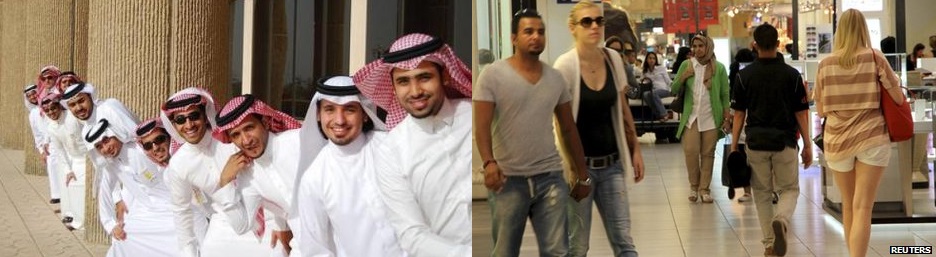
If you're going to launch in Arabic where would you choose? Dubai or Riyadh? (image source: Reuters)

If you’re going to launch in Arabic where would you choose? Dubai or Riyadh? (image source: Reuters)

I love LinkedIn. It’s possibly my favorite social media network. LinkedIn has transformed how professionals network (and get jobs) online. No recruiter could do without LinkedIn.

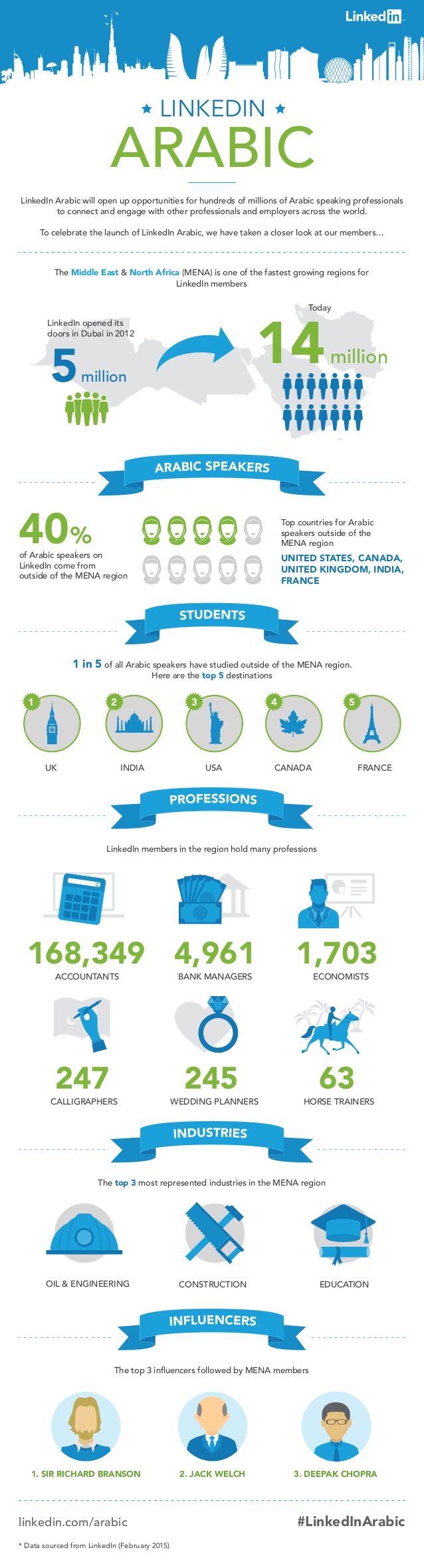
The network has grown steadily in the Middle East since it opened up an office in Dubai back in 2012. Over the past three years LinkedIn has grown its user base from five to fourteen million. The UAE is LinkenIn’s largest market with two million users according to The National. The two largest Arabic-speaking markets in the region are Egypt, with a population of just over 82 million, and Saudi.

The Kingdom is, or should be, LinkedIn’s largest potential market. Saudi doesn’t only have a sizable Arabic-speaking population (28 million and counting), but it also has the spending power. Saudi’s gross domestic product for 2013 was just under 750 billion dollars. Saudi is home to some of the region’s largest corporations, as well as a majority of the country under the age of 25. Add to the mix high internet penetration and smartphone usage, Saudi is LinkedIn’s Arabic-language market.

However, when LinkedIn launched its Arabic-language site last week the management team chose Dubai as the preferred location. There was a guest advocate, in the shape of Noura Al Kaabi, CEO of Abu Dhabi’s twofour54. Bizarrely, LinkedIn’s press materials also included a press statement from Saudi’s Minister of Labor, which was carried extensively in the Kingdom’s media (the quote in full is below and is sourced from Saudi Gazette).

Eng. Adel M. Fakeih, Saudi Arabia’s minister of labor, said: “LinkedIn has been working with us to match talent in the Kingdom with the right opportunity, and with Arabic, this benefit can be rolled-out to a much wider member base.

LinkedIn will continue to be a useful tool for us as we use technology to communicate the need for nationals to up-skill themselves and take advantage of the strong economic climate and significant job-creation in the Kingdom.

Being a part of a global network also helps youth identify the key demand areas, and build their qualifications accordingly.”

Would LinkedIn have been better served by launching Arabic in Saudi, rather than in the UAE (where it could be argued that the lingua franca is English). Would this activation have been more in line with the message that LinkedIn was trying to convey, namely that we are now in Arabic and we want Arabic speakers to use our service.

It’s a small observation, but it seems that LinkedIn missed an opportunity to push home a message through a launch that was misaligned with its target audience. Saudi isn’t the easiest country in terms of getting things right on the ground, but if you’re going to do something then, as the saying goes, if it is worth doing then do it right.

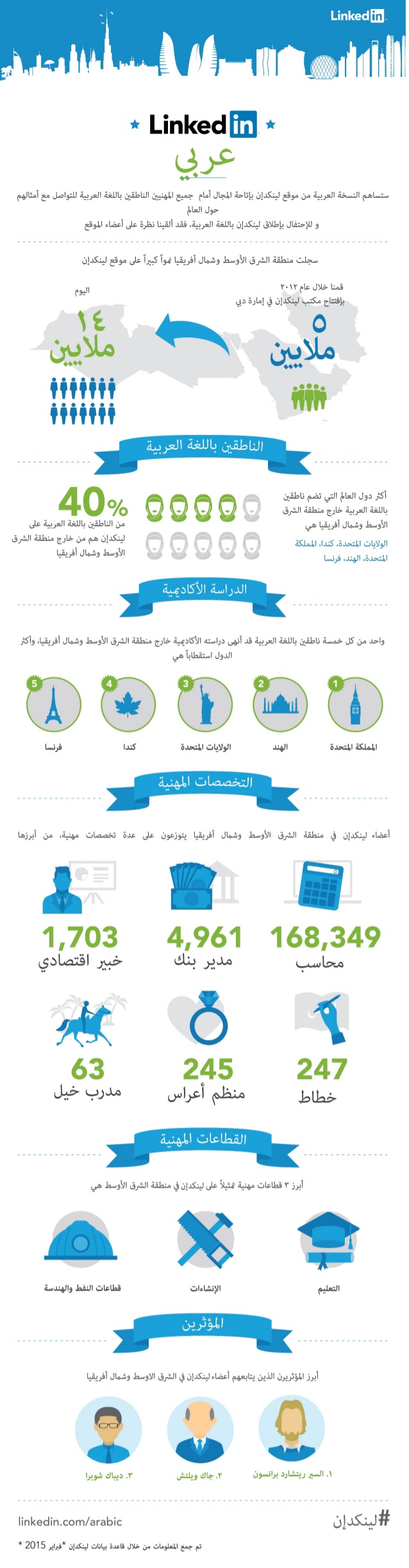
And for more details on LinkedIn in the Middle East have a look at the infographics below, which are in English and Arabic.