The Sheikh Mohammed School of Communication

I’m no posterboy for Dubai I’ll admit. But I do admire how the Emirate’s ruler communicates with the media. The BBC aired an interview with Sheikh Mohammed Bin Rashid Al Maktoum this week and the piece made headlines the world over. Sheikh Mo as he’s known here shared his thoughts on everything from Iran, Syria and Egypt to horse doping and human rights in the UAE. Sheikh Mohammed talks plainly, he gets to the point, and he admits when things go wrong; asked about the jailing of a number of young men for a spoof video Sheikh Mohammed says:

“We try to change it. We are not perfect and we try to change it. Any mistakes, we go in and try to change it. We’re not perfect, but we are doing our best.”

What’s fascinated me the most has been how the media industry has taken its pick of quotes to build headlines around. For the UAE’s media the key talking points were Sheikh Mohammed’s call to lift sanctions on Iran and his views on Syria and the need for Syria’s President Bashar Al Assad to step down. His views on Egypt’s General El-Sisi dominated the Egyptian papers.

If you want to watch and learn from Sheikh Mohammed School of Communication and see a leader who is unique in terms of how he interacts with the media then watch the interview on the BBC on the 17 January at 04:30 GMT & 09:30 GMT and read the article by the BBC’s Jon Sopel here. You can watch a teaser below from the original airing of the interview yesterday.

I wish there were more leaders in the Gulf who’d talk to and with the media.

Five tips on how to survive and thrive during Gitex

It’s here, the region’s most manic event. Gitex, the Gulf Information Technology Exhibition, is to public relations and media people what Christmas is to parents of little children who believe in Father Christmas; a ruthless, insane, once-in-a-year event where everyone wants what’s on their wish list and you have to deliver.

From someone who’s done his fair share of Gitex exhibitions both as a journo, a PR person and as one of the organizers, here’s my five top tips on how not just to survive Gitex but thrive despite all of the noise, confusion, and occasional tantrums (you know whom these executives and organizers are). So here we go!

1) A phone with an endless battery

At Gitex your phone will be ringing incessantly. No one has died, there’s no new births to report, and the world is not coming to an end. But if you’re a journalist you’ll be every PR person’s best friend for five days (especially if you work for the official publisher ITP). And if you’re a PR person the pressure to deliver interviews will quickly build to a crescendo. Every single journalist within a four-hour flight will be on your quick dial list. Just don’t let the phone die.

Make sure your phone battery never, ever dies during Gitex. Or else you’ll never be forgiven. (image source: Daily Mail)

2) Lots and lots and lots of caffeine

You will not eat or sleep during Gitex. What you will live on is caffeine and taurine. You will drink coffee, tea, and Red Bull like its water. Gitex veterans will normally lug around with them a couple of cans of energy drinks. And for those new to Gitex, bring lots of small change. The venue doesn’t sell cheap beverages (there is however a supermarket around the corner in the DWTC residences, besides the metro station and opposite Pizza Express).

The above is one way to carry your Red Bull during Gitex, though it’s not recommended. (image source: wikimedia)

3) Ear Plugs

Gitex is noisy. Actually that’s wrong. Gitex is deafening. Exhibitors assume that the higher the wattage from their surround sound system, the more people will stop and watch the models… ahem, executives talking about their business. Gitex is the exhibition equivalent of a Tuesday night club which is hosting a drum and bass session combined with a ladies free-entry policy. If you want to ensure that you leave with your hearing intact then take ear plugs with you. Just don’t forget to take them out when you’re interviewing/arranging for interviews.

Pillows won’t help with the noise pollution at Gitex. Get some ear plugs. (image source: http://www.alpinehearingprotection.com)

4) Panadol, Ibuprofen, Vicodin…

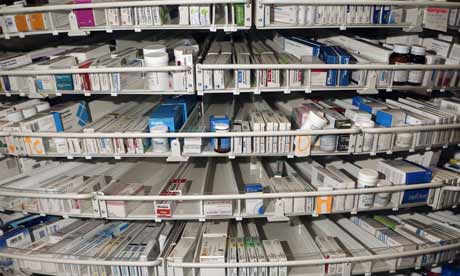
You get the point. At some time during Gitex, you’re going to be hit by the mother of all headaches. Be prepared, take lots of meds with you. And if you don’t have any and the dreaded throbbing and pain strikes then head on down to the pharmacy on the concourse to grab your pain killer of choice.

Bring drugs, lots of drugs! You will need them. (image source: The Guardian)

5) The Patience of a Saint

At some point you’re going to be surrounded by screaming, nagging executives who are behaving like a bunch of toddlers/prima donnaa. There’s really thing that you can do, apart from swallow your pride, paint a smile on your face, and remain calm. Gitex would test the patience of the Dalai Lama, so remember you’re not alone in your frustrations. For the week however, you will have to suffer in silence. Remember that patience is a virtue so stay calm!

Keep calm, take a deep breath. Gitex will soon be over. (image source: http://www.keepcalm-o-matic.co.uk)

What’s your top tips for Gitex? Share and share alike. Remember, we’re in this together!

Déjà Vu and Dubai’s Real Estate Sector – Is Communications Doing Enough to Win Back Consumer Trust

We’d just finished off another round of Cityscape here in Dubai, an exhibition that was the highlight of the decade that was the 2000s. When 2008 struck, Cityscape was almost forgotten about. No one wanted to be reminded of how much Dubai’s real estate sector had fallen. Anyone who visited the event this month may have been forgiven for thinking that the downturn never happened. We were bombarded with news about how good everything is looking; one executive from Dubai-based executive Damac claimed there had never been a property bubble to begin with.

All the good news hasn’t been without incident. An announcement at the beginning of this month revived plans to build a canal, this time linking Dubai’s Business Bay waterway system out to the Gulf at what is now Jumeirah Beach Park (Alex McNabb wrote an excellent blog piece about the news which you can read here). Other reports have focused on stalled projects which have neither been revived or cancelled, basically locking in investor money (the law here in the UAE requires projects to be cancelled before any collected monies can be returned to investors), and the proposed establishment of a body that would help return funds to those who invested in projects which never got off the ground.

While there’s no doubt that the boom is back and that Dubai is again one of the leading lights when it comes to global real estate, is enough being done to ensure not just investors but ordinary people out there, the likes of you and me, that mistakes which were made in the past will not be repeated?

If you’re an Arabic speaker listen to this interview at Cityscape with the CEO of Damac Ziad El Chaar.

Why stonewalling the media is always a bad idea: Nakheel and Arabian Business

Another day, another flood. Nakheel’s attempts to stem the tide of negative PR by not talking to media simply won’t work (image source: arabianbusiness.com

For those that don’t know Nakheel, you’re in for a treat. The Dubai government-owned real estate developer and the name behind the world-famous Palm Jumeirah is a byword for customer relations fiascoes these days. The company has run into a number of public relations calamities over the past two year, including issues such as service fees, numerous floods, and, most recently, a new development with lakes forming from putrid water.

Like any other company, Nakheel has both fans and detractors. However, a recent story on Nakheel by popular Dubai-based news portal Arabian Business raised my interest. The piece, which was about the recent flooding at Nakheel’s Al Furjan development, included a significant paragraph at the end.

* Nakheel no longer responds to media enquiries from Arabian Business, nor does it grant this publication access to any of its media events or announcements.

When a company feels that it has to stonewall, restrict access to and stop all relations with a media outlet there’s something very wrong. Whatever the company expects to gain from this action, I can guarantee all that will result is more negative publicity and an inability to counter negative stories by providing comments from the company itself.

In these cases, my advice to any company facing a barrage of negative media is understand what is at the core is the issue and why there’s so much negativity surrounding the company’s public perception. For Nakheel, maybe their time would be better spent addressing customer service and engineering issues rather than duking it out with the media. In the meantime I’m looking forward to reading more stories about the company on Arabian Business.

A glimpse into Social Media in today’s Gulf

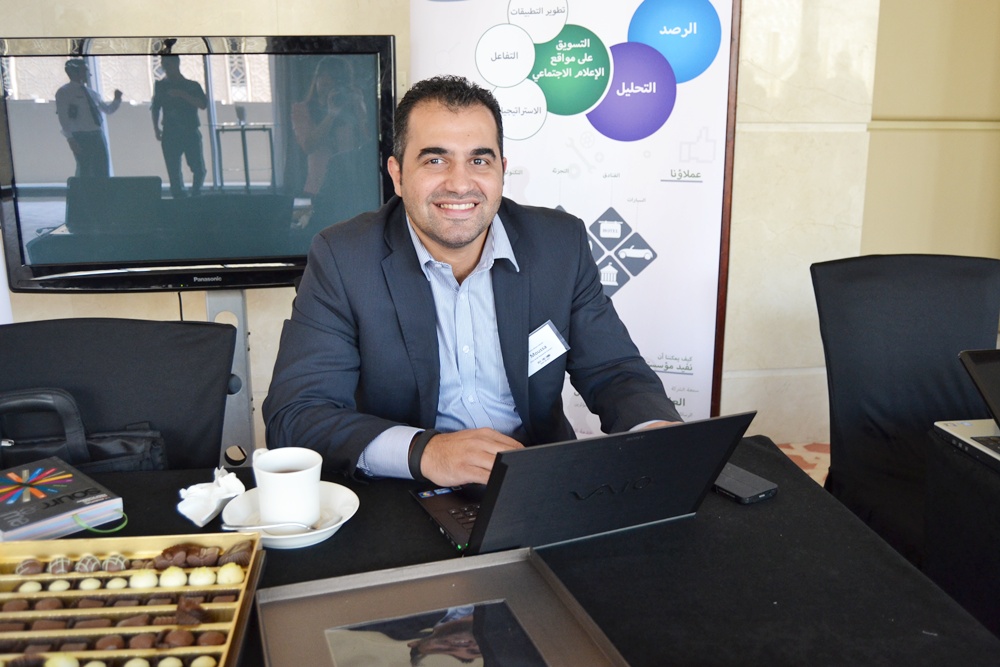
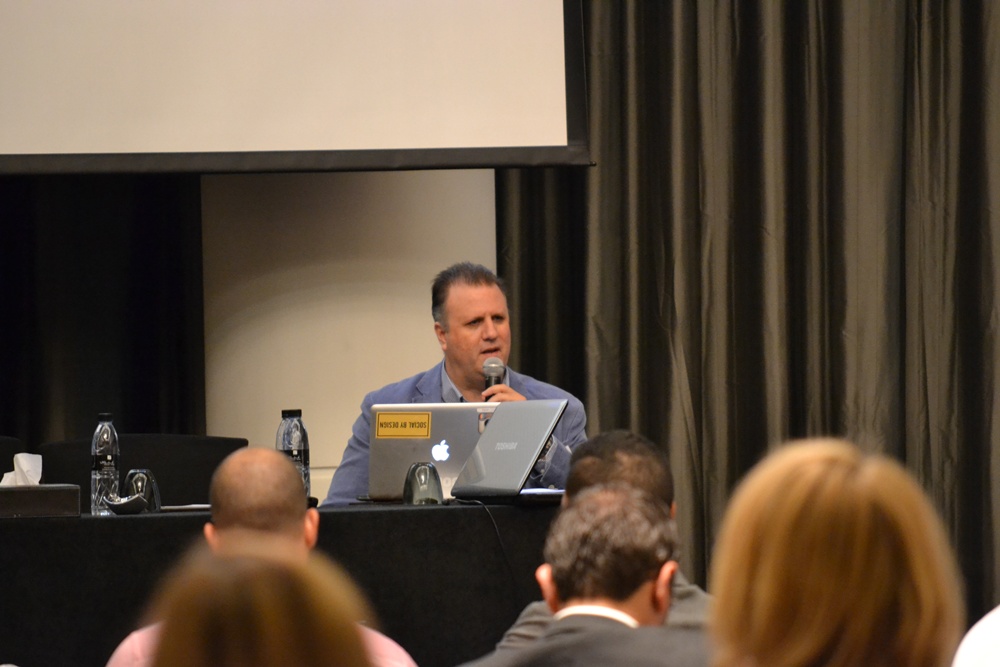
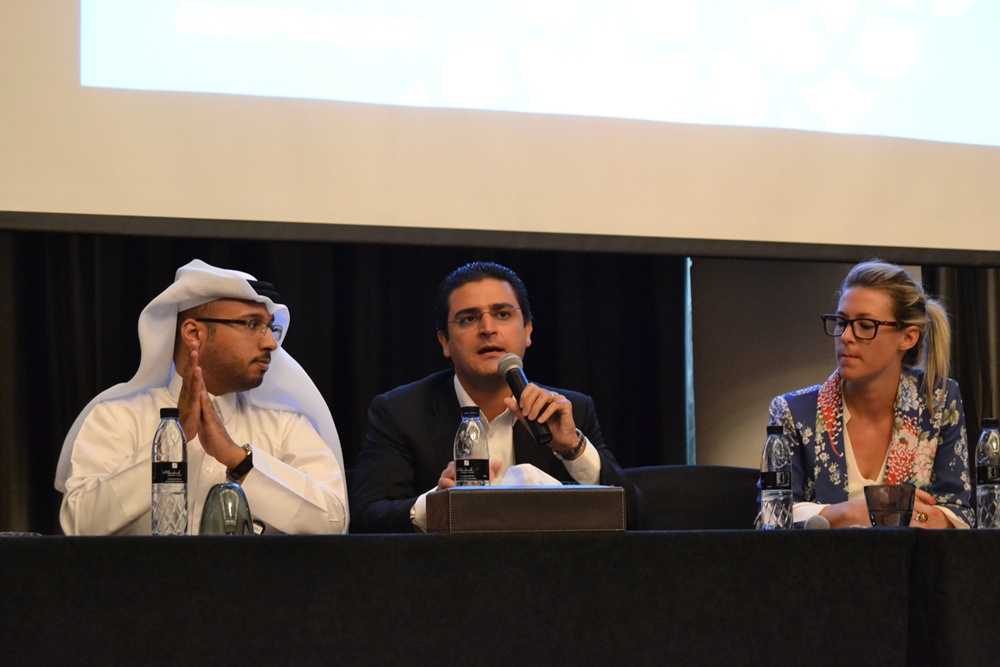
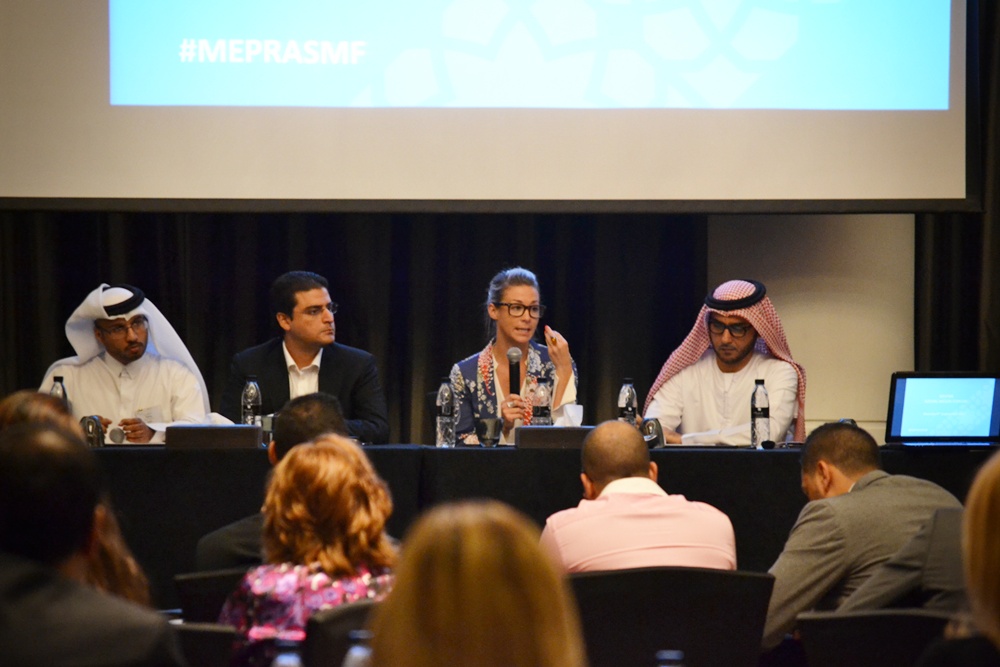
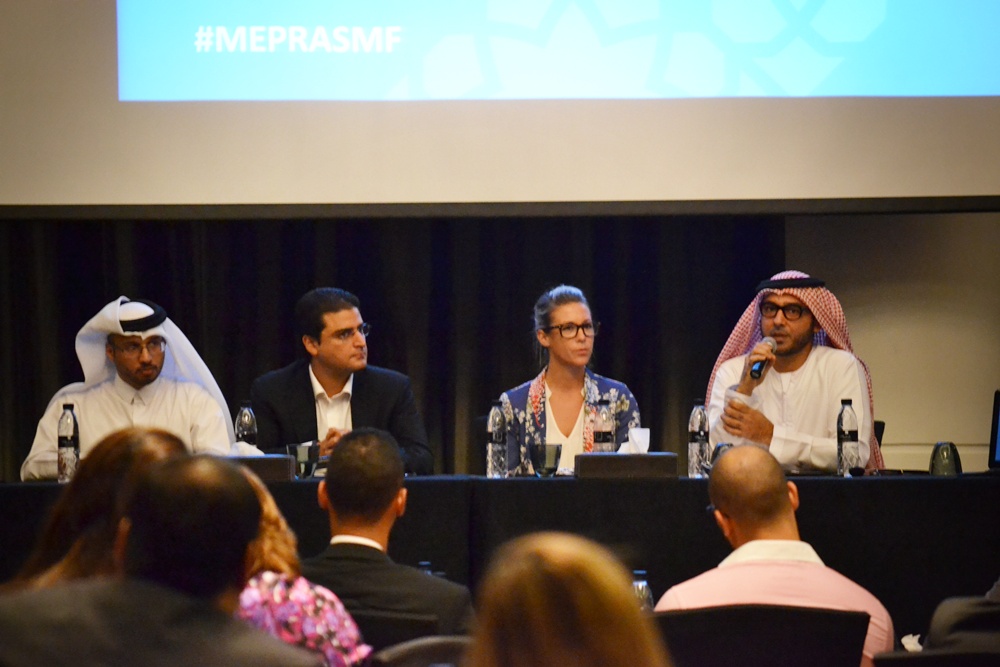
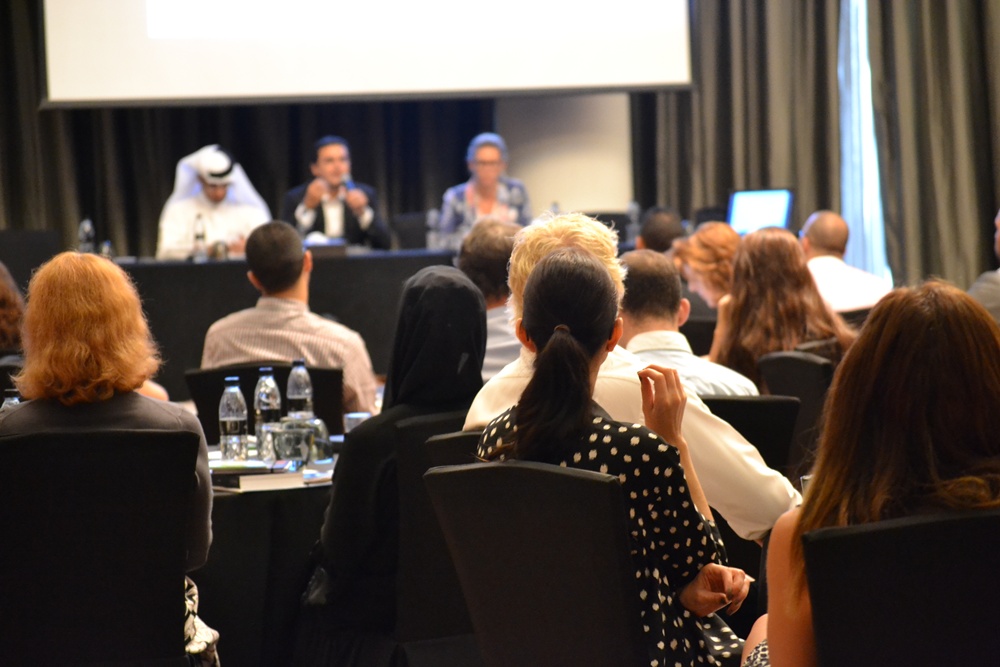
It’s not often I can say that Monday is my favourite day of the week (as Bob Geldof says, I don’t like Mondays) but this week was an exception thanks to the inaugural Social Media Forum. Arranged by the Middle East Public Relations Association, the event brought together some of the world’s largest social media names present in the Gulf including Facebook and Twitter’s local agency Connect Ads to talk shop about what’s happening in the social media world. And by the looks of it we’re addicted to social media.

The latest stats from Twitter are stunning; there’s now six and a half million active users of the social media channel in Saudi Arabia (active users are those who use their account on a daily basis), which represents a growth of 500 percent over last year’s numbers. In the UAE there’s 1.5 million users. But the highest percentage of Twitter users to a population is in Kuwait, where one in three people – one in three million – use the service on a daily basis.

While Facebook’s spokesperson didn’t reveal updated numbers about users in the Gulf region usage trends have changed thanks in part to widespread adoption of smartphones and broadband wireless networks such as 3G and 4G. The average user will check Facebook 11 times a day, up from 3 or 4 times, partly thanks to Facebook’s latest mobile applications. Sixty percent of Twitter users in the Middle East and North Africa are now using the service while watching television (the logical question would be, where are you advertisers and why are you not taking advantage of this?).

The good news would seem to be that (some) clients are now understanding social media is more than just followers, likes and retweets according to the head of analysis agency Social Eyez. One speaker at the event, the corporate communications manager for the Qatar Foundation, told the audience that a sixty hour social media activation with FC Barcelona using Twitter drove global brand awareness by upwards of 20 percent. This goal would have been unachievable with conventional media without an eight figure marketing budget. Social media has changed both marketing and communications completely, and long may our love of tweeting and posting continue in the Gulf.

If you’re interesting in seeing the best practice presentations from the event you can download the Facebook Middle East Public Relations Association Presentation here and the Twitter Social Media Forum Presentation here. MEPRA will be holding more events on social media soon, including with the Social Media Club in Bahrain and other areas of the region. For a glimpse of the event have a peek at some of the pictures below.

One place you don’t want to be for Eid – Stuck at Riyadh Airport with @BritishAirways

Video

Where do you want to be on your first day of Eid/vacation? It’s not the most pleasant experience being stuck at any airport in the world, but this story does break my heart. The above video was posted today after what appears to be a nightmare experience. The below text is from one of the passengers on BA262 which was supposed to leave on the 7th of August from Riyadh to London Heathrow but arrived three flights and a day later than scheduled. And while safety is of paramount importance and these things do happen I have to ask, why didn’t BA do better in terms of its customer service?

On checking into the airport the flight BA262 on 7th Aug 2013 from Riyadh to London was delayed by 20 minutes. This was extended to nearly 4 hours with statements every hour. The air conditioning within the airport was not working and the status updates very vague and not helpful. No refreshments were made available and the passengers left to fend for themselves. Finally we did board the aircraft and took off from Riyadh, however approx 30 minutes into the flight we started circling Riyadh and did not go anywhere. We were then told that there was an issue with the main wing flaps jamming and had to eject 20 tonnes of fuel and return to Riyadh.

The emergency landing was fast and hard but fortunately the pilot was good and we made a safe landing.

Passengers disembarked and went through a living nightmare from start to finish and ended up leaving the airport with no support from BA what so ever!!!!

The aircraft, we were told was fixed and we were to return the next day to take off at 0700hrs. We ended up taking off close to 0900hrs 8 Aug, again we climbed and again the same issue occurred about 30 minutes into the flight. The main wing flaps jammed again. we then went through the same scenario of dumping the fuel and then another emergency landing back at Riyadh airport. This time there was screaming and crying within the aircraft and again blue lights chasing us up the runway. On coming to a stand still there was a person who was took ill and passed out and the para medics were dispatched to attend the aircraft to treat the person.

BA you have en-dangered peoples lives, you have not been there when needed, you are a disgrace!!!!

If you don’t like it, then leave! Hey @Dutweets and how not to deal with customers online

One week, two social media blunders in the United Arab Emirates. First we had Subaru Emirates and now we have Du, the UAE’s second largest telecommunications company, getting everyone into a tizzy.

The background to the story, which has been covered by the UAE-based magazine Computer News Middle East, is an increase in charges for the company’s home user pricing plans. The price increases, which have risen by up to 37 percent, seem to have been posted on the company’s website rather than having being formally announced by the company.

Unsurprisingly, consumers haven’t taken to Du’s price increases (note – for data services the UAE operates a monopolistic system whereby you have to purchase from the sole telco who is licensed to operate in your area, which is either Du or Etisalat). Du’s twitter account, @Dutweets, has been inundated with tweets from aggrieved consumers who understandably don’t want to pay more for their existing service and don’t want Du’s offer of additional phone minutes in compensation for the higher prices. Have a look below:

Unfortunately, for the people in the company running the Du account (Du handles social media internally I believe) things have gone from bad to worse. One reply has gone viral and is receiving a swathe of negative feedback on Du and its social media efforts.

I do feel for @Dutweets as they’re having to face the fallout from a pricing decision which has been poorly executed and hasn’t been communicated in the right manner – from a customer perspective there’s no justification for a price rise for the same service, especially when Du’s customers have no other provider and when their existing contracts should be honored for the contracts’ duration. However, if a company isn’t willing to resolve issues through social media then what’s the point of entering into a dialogue with the community? And no matter the frustration levels you can’t respond to customers in a manner that seems unsympathetic. So please, no more Hey! messages @dutweets. Understand the concerns, pass on the message to the executives and wait for a positive message from upstairs. Don’t do a Subaru, because you’re only going to make things much, much worse for yourselves.

https://twitter.com/WildeTrude/status/364691859576061954

https://twitter.com/alextohme/status/364719579089485826

Subaru Emirates, Facebook, sexism, racism, and loss of life = a social media disaster

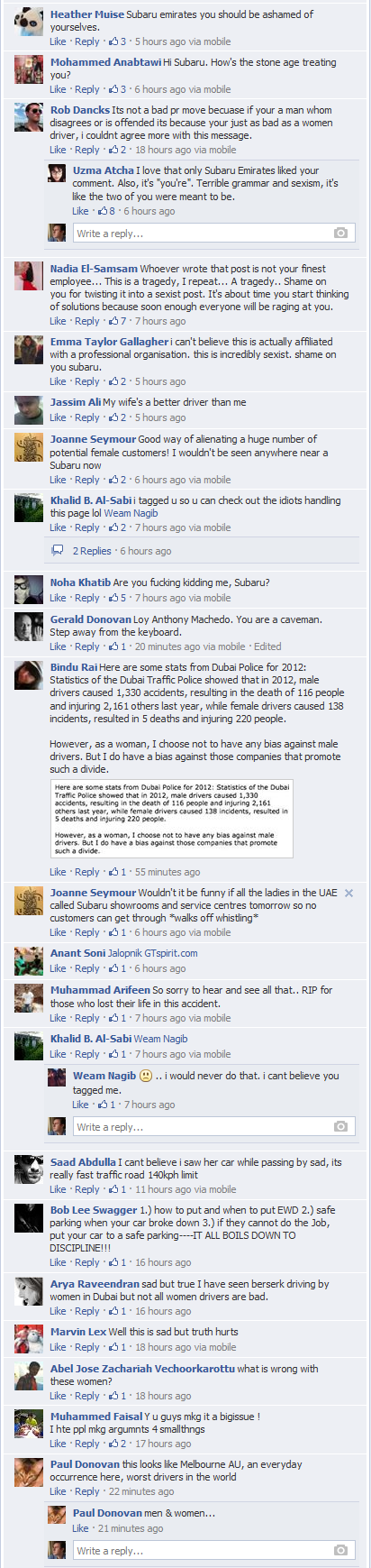
I’m a hardened comms person/journalist. I’ve seen a lot of materials which offends and much of that material doesn’t surprise me. However, this morning I was wincing at a post on Facebook, on the UAE page of the automotive brand Subaru. The post, which relates to a recent accident which claimed the lives of four people, offends both women and a specific nationality. While this isn’t enough, not a single positive piece of advice is given to drivers to help avoid such a tragedy in the future. The post is screen-captured below. And to ensure maximum shock value what would you title such a piece? ‘Women drivers at it again’.

For me, pretty much everything that could have been done wrong was done wrong with this post. Frankly, it's disgusting.

For me, pretty much everything that could have been done wrong was done wrong with this post. Frankly, it’s disgusting.

To fan the flames of outrage further, the admin person does not apologize but rather seeks to defend the comments against the criticism (sixty comments and counting and 58 shares within 21 hours). This has gone out to 15,000 accounts who have liked the page and has been distributed to hundreds more through the shares. Depending on Subaru Emirates’ advertising policy in the UAE this could have reached hundreds of thousands more. Stepping aside from the grotesqueness of the post, it’s a remarkable thought that the company could have alienated over half of its potential buyer base. As an aside, I doubt that the page has asked permission from the newspaper Emirates 24/7 to use this image in a commercial setting.

I’m not going to delve deeper into this as there’s little positive about this episode apart from to learn what not to do when promoting a brand through Facebook. Subaru, please do the right thing and apologize for the post and ensure that the admin person learns the error of their ways.

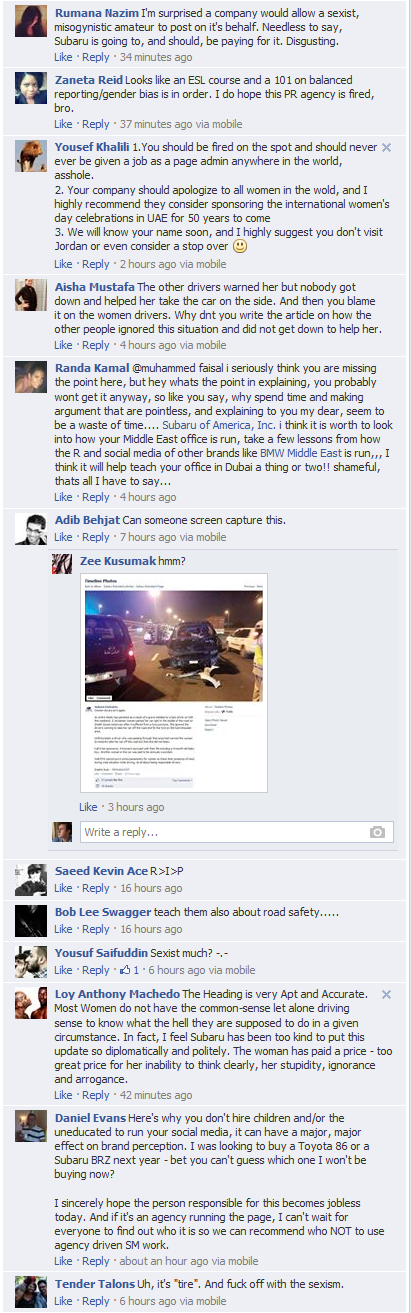
Comments are below for the post (apologies for the size but it’s easy to zoom in and view/read).

This is the first comments screen shot. Note the defensive post by Subaru Emirates and the anger of the responses.

This is the first comments screen shot. Note the defensive post by Subaru Emirates and the anger of the responses.

And it goes on...

And it goes on…

And on and on...

And on and on…

I’m sure that Subaru has guidelines for appropriate social media usage for its internal staff and agencies. They need to ensure that these guidelines are understood by all and that they are followed by their social media admin persons. I’ll be writing a how-to blog for how to use Facebook properly soon. As a responsible individual, we all need to understand the other. That’s even more true when you’re running someone else’s brand on their behalf.

PR Buzzwords that we (often) could do without – Innovation and Social Responsibility

The concept of communicating through the written word is a remarkable thing – we have the ability to educate, engage and persuade through a well-written, thoroughly thought-out piece of work. And then, there’s the other end of the spectrum, when buzzwords and phrases are used without reason and with little understanding of their meaning in the context in which they’re used.

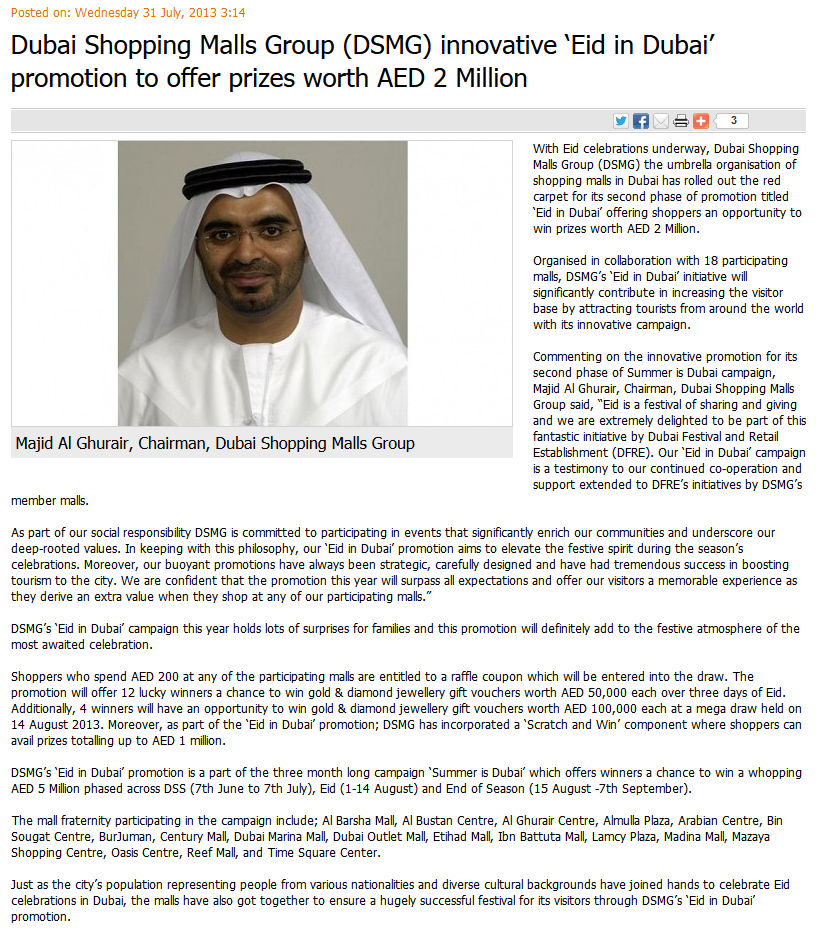
I came across one such example this week. A press release was sent out for a shopping promotion in Dubai. I’m going to post a screenshot below but you can also see the original article here.

How do the concepts of innovation and social responsibility work for a cash-based shopping promotion?

How do the concepts of innovation and social responsibility work for a cash-based shopping promotion?

I’m going to let you draw your own conclusions but let’s call a spade a spade and realize the power of words when properly used, in a setting that underlines their real meaning. Innovation is such a powerful term, as is social responsibility. But where’s the connection with this activity?

Anyone who works in public relations and communications will have been guilty of throwing in the odd ‘leading’, ‘global’ or award-winning every now and then. I’ve done it. However, is this habit becoming more commonplace within the Middle East’s communications sector.? When I have time, I’m going to do a keyword search to identify the worst offenders, the most overused phrases and buzzwords in regional press releases.

For the meantime, I’d like to ask you this. Which words are most overused and which turn your toes and make you cringe when you read them?