
I’m going to start with an admission. I was asked to write a post highlighting all of the good that communicators are doing right now. I’ve thought about the ask, and I’m going to look at the good we can be doing, as well underline the challenges we face (and the potential harm we can cause). But let’s start with the positive.
Times of Crisis
Communicators are crisis people. We don’t yearn for a crisis (I hope not), but our worth is even clearer during times of stress. Let’s take what’s happening right now. Much of what we are doing is focused on health-related areas, such as developing and sharing messaging on health and safety. We’re literally telling people how to keep themselves and others safe. Smart communicators (and organizations) also understand the need to help others with their mental well-being.
That’s the obvious part of what’s going on right now. But let’s look longer-term. At our best, communicators help engender trust between groups. We can and should promote transparency and engagement, which leads to more trust and conversation. So when the hard times do hit, people have faith in their leadership, and they have the courage to ask hard questions without fear of retribution.
A third simple point for me is that we’re able to see a situation differently. We listen, we empathize, and we share perspectives which others may miss. We’re able to help our leaders better see what is happening, and that should help in terms of their own situational understanding and decision-making.
It’s no surprise to me that the best leaders are brilliant communicators. They listen, they inspire, they are open to feedback (good and bad), and they engage. We can make our organizations better, safer, and more inclusive.
So, that’s where we come out good. It’s not all plain-sailing. First of all, it’s a hard job. Many people I know are working 12 hours plus daily right now, pretty much six days a week. And that’s going to take its toll without any emotional support.
And then there’s our role as the bearers of bad news, and there’s been lots of bad news recently. Far too often, we fall back on silly soundbites to relay information that impacts hundreds, thousands of people (here’s an interesting read in Gulf News by George Kotsolios on how we are not communicating layoffs well). And sometimes it is hard to challenge our leadership, and make them do the right thing or understand a situation differently. At our worst, we can become spin-doctors, pushing out a false message that we may know is wrong or virtue-signalling. And that’s why ethics matters now, more than ever.
I truly believe in the power of communications. And I believe that many of the people I’m proud to call colleagues chose to become communicators because they want to make where they work a better place. We have the ability to inform. And information is empowering (right now, it’s keeping people safe). But we mustn’t lose our morality in what we are doing. We’ve got to ask how we can best help in any given situation, and how we can make the difference.
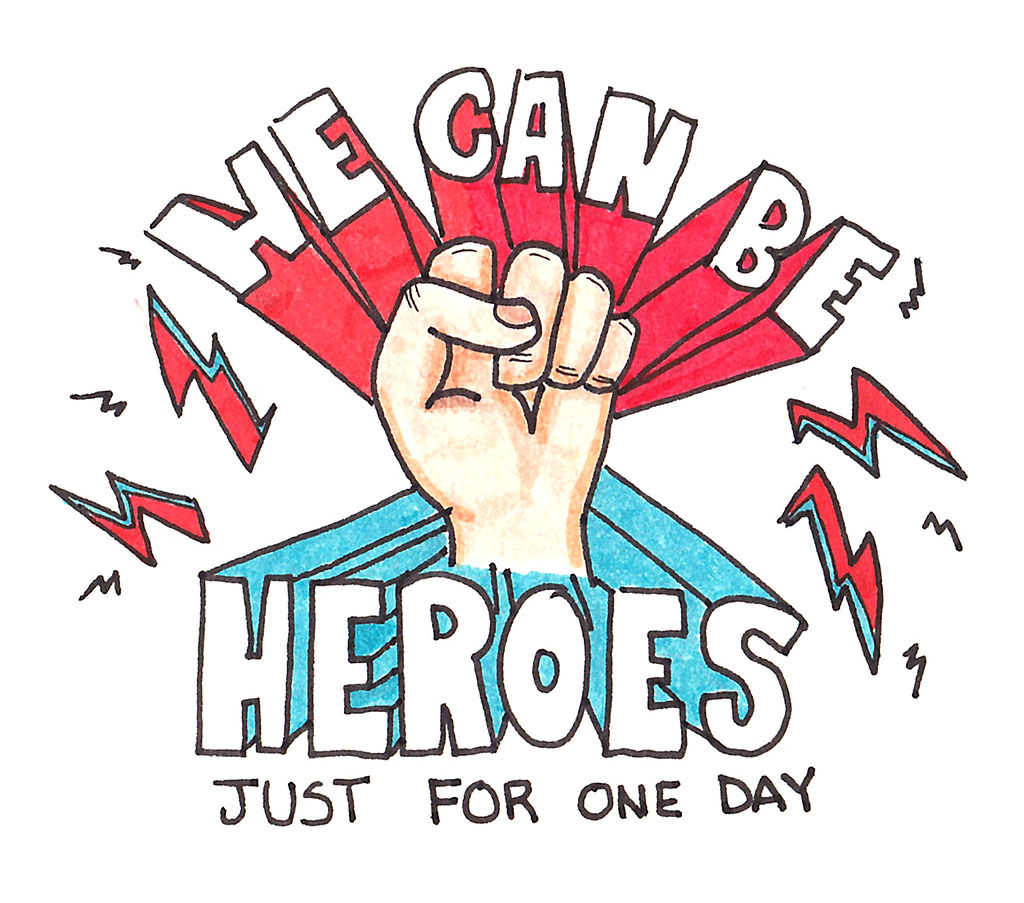
Our work isn’t easy at all, far from it. Everyone thinks they’re a good communicator. But it’s both a science and an art. The best communicators will transform organizations, cultures and relationships for the better. We can and should be seen as heroes for the work we do and the change that we can bring about.
To do that, we need the best people entering the industry (I’ll admit, for a profession that’s all about reputation building, we do a lousy job of explaining what we do and why we do it). And we’ve got to push for higher standards through certification.
What do you think? Do you have any stories of communicator heroes? If yes, please do share them. We need to tell our own stories better.
And finally, bravo to all of you incredible comms people out there who are working tirelessly to keep people safe, informed and aware. I know how hard this is, and I understand the stresses you are under. You have my respect and my gratitude. You are my heroes.
 Alex of Arabia's Blog